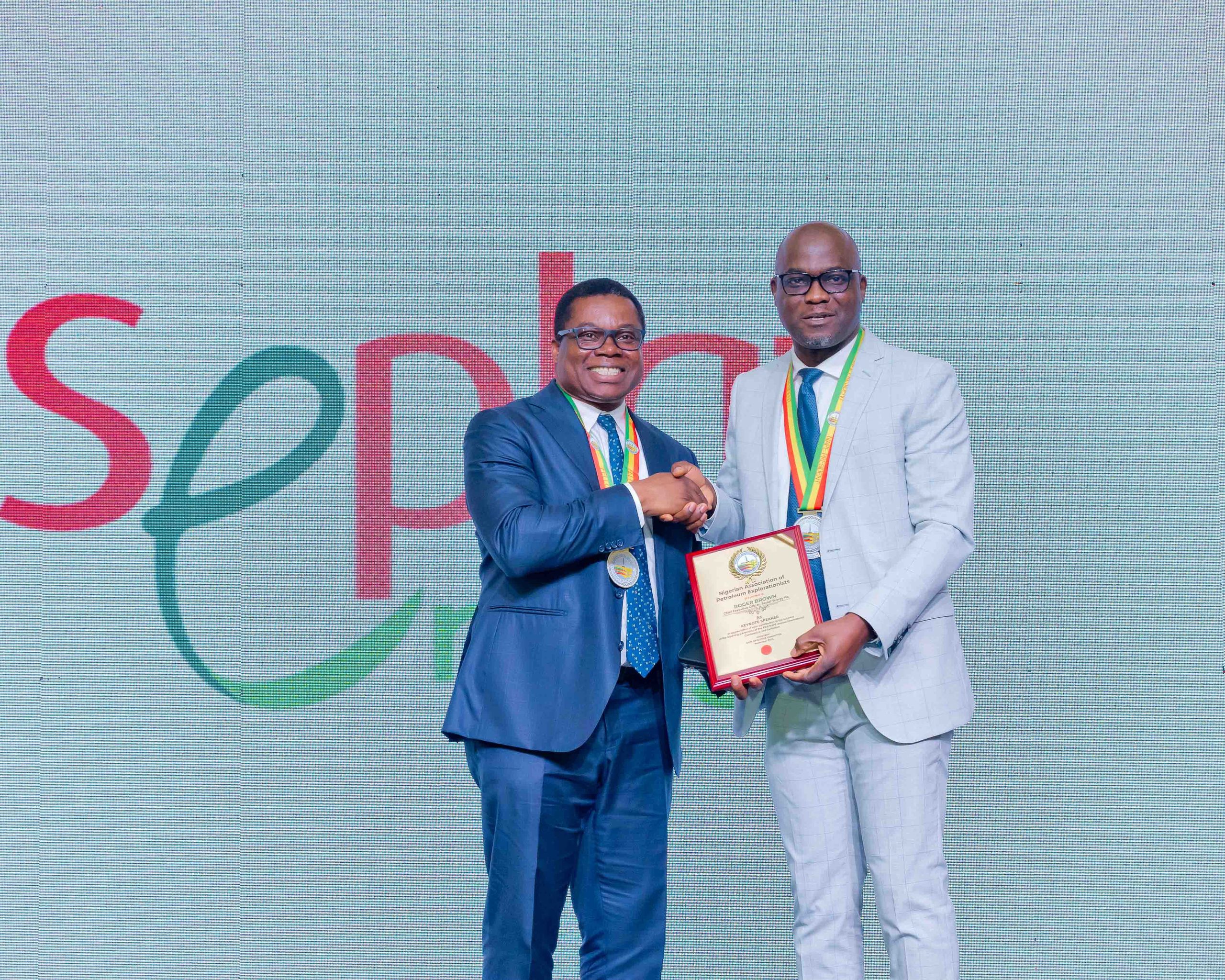
A leading energy company, Seplat Energy Plc, has said over 70 million Nigerians still lack access to electricity and more than 170 million others rely on biomass for cooking.
Chief Operating Officer of the company, Samson Ezugworie, who disclosed this said Nigeria must target affordable, reliable and accessible energy for all citizens, in its quest to build a prosperous country.
Ezugworie spoke in Lagos while delivering a keynote address at the 43rd Nigerian Association of Petroleum Explorationists, NAPE, Annual International Conference & Exhibition.
He expressed worry that with Nigeria’s population projected to reach 237 million by 2025 and 400 million by 2050, the urgency to act is undeniable, because today’s problems will become far worse if we don’t take actions now to solve them.
“We will have 160 million more people to feed and house, and we need to create 100 million new jobs. But imagine what Nigeria can achieve if we do?
“The imperative before us is clear. We must build a prosperous Nigeria, and we can only do that with affordable and reliable energy that is accessible to all,” he said.
According to a statement by the Company’s Manager of Corporate Communications, Stanley Opara, the Seplat Energy COO spoke on the conference theme: “Revitalizing the Nigerian Petroleum Exploration and Production: Strategies for Energy Security and Sustainable Development.”
Ezugworie said to meet these challenges, Nigeria must increase oil production, not just to boost national revenues and reduce current shortfall so our government can meet its budgetary needs, but also to drive GDP growth that reinforces the country’s position as the economic powerhouse of the African continent.
“We must also harness our huge reserves of gas and scale up gas and NGL production to expand domestic energy access, displace polluting imported generators, provide clean cooking for our people, and power our basic industries to support our national growth.
“The global energy landscape is shifting, and so too is our own. We are witnessing a transition in the ownership and operation of Nigeria’s vast natural resources as assets pass from well-funded, well-resourced international giants to local Nigerian operators, blessed with enthusiasm and expertise but less global in their outlook. It’s a shift that creates new capital dynamics in our need to raise international finance, while at the same time increasing our focus on managing risks and looking after our natural environment.
“But with these challenges come opportunities: opportunities to harness and enhance local knowledge, build resilient partnerships with our industry partners, and with our host communities, and most of all, build an industry that is owned and managed by Nigerians, for Nigerians,” he said.
According to him, Seplat Energy believes that the future of Nigerian production lies in three core principles the industry must adopt, namely: Leadership, Partnership, and Stewardship.
He added that the principles had played out since Seplat Energy took control of its Offshore assets, following its recent acquisition.
“We’ve worked on rehabilitating 33 wells and had success with 26, which are now producing about 33,000 barrels between them. That’s a step in the right direction to closing the current gap in production that could leave Nigeria with a shortfall in its revenues.
“We will continue to rehabilitate wells, which isn’t costing us much, and we’re optimistic that we can get more production to help our industry reach the production targets the government has set,” the Seplat COO noted.
On the company’s gas business, he said Seplat Energy was close to delivering first gas from its joint venture ANOH Gas Processing Plant, adding that the company also recently delivered its first cargoes of LPG from the newly upgraded Sapele Gas Plant.
He noted that the company was on track to ending routine flaring in its onshore operations, enabling it to reduce emissions, capture gas and monetise it, which is a win-win for Seplat, for the environment and for communities.
“Our progress on gas initiatives like ANOH, Sapele, and LPG shipments is a testament to our commitment to Nigeria’s prosperity. These projects are not just about energy; they are about transforming lives and powering Nigeria’s development,” he said.
Seplat Energy Plc has said Nigeria must target affordable, reliable and accessible energy for all citizens, in its quest to build a prosperous country.
Chief Operating Officer of the company, Samson Ezugworie, stated this while delivering a keynote address at the 43rd Nigerian Association of Petroleum Explorationists, NAPE, Annual International Conference & Exhibition in Lagos.
“The imperative before us is clear. We must build a prosperous Nigeria, and we can only do that with affordable and reliable energy that is accessible to all,” he said.
According to a statement by the Company’s Manager of Corporate Communications, Stanley Opara, the Seplat Energy COO spoke on the conference theme: “Revitalizing the Nigerian Petroleum Exploration and Production: Strategies for Energy Security and Sustainable Development.”
“Today, more than 70 million Nigerians still lack access to electricity. More than 170 million rely on biomass for cooking and that’s terrible for the environment and for our households.
“And with Nigeria’s population projected to reach 237 million by 2025 and 400 million by 2050, the urgency to act is undeniable, because today’s problems will become far worse if we don’t take actions now to solve them.
“We will have 160 million more people to feed and house, and we need to create 100 million new jobs. But imagine what Nigeria can achieve if we do?” he said.
Ezugworie said to meet these challenges, Nigeria must increase oil production, not just to boost national revenues and reduce current shortfall so our government can meet its budgetary needs, but also to drive GDP growth that reinforces the country’s position as the economic powerhouse of the African continent.
“We must also harness our huge reserves of gas and scale up gas and NGL production to expand domestic energy access, displace polluting imported generators, provide clean cooking for our people, and power our basic industries to support our national growth.
“The global energy landscape is shifting, and so too is our own. We are witnessing a transition in the ownership and operation of Nigeria’s vast natural resources as assets pass from well-funded, well-resourced international giants to local Nigerian operators, blessed with enthusiasm and expertise but less global in their outlook. It’s a shift that creates new capital dynamics in our need to raise international finance, while at the same time increasing our focus on managing risks and looking after our natural environment.
“But with these challenges come opportunities: opportunities to harness and enhance local knowledge, build resilient partnerships with our industry partners, and with our host communities, and most of all, build an industry that is owned and managed by Nigerians, for Nigerians,” he said.
According to him, Seplat Energy believes that the future of Nigerian production lies in three core principles the industry must adopt, namely: Leadership, Partnership, and Stewardship.
He added that the principles had played out since Seplat Energy took control of its Offshore assets, following its recent acquisition.
“We’ve worked on rehabilitating 33 wells and had success with 26, which are now producing about 33,000 barrels between them. That’s a step in the right direction to closing the current gap in production that could leave Nigeria with a shortfall in its revenues.
“We will continue to rehabilitate wells, which isn’t costing us much, and we’re optimistic that we can get more production to help our industry reach the production targets the government has set,” the Seplat COO noted.
On the company’s gas business, he said Seplat Energy was close to delivering first gas from its joint venture ANOH Gas Processing Plant, adding that the company also recently delivered its first cargoes of LPG from the newly upgraded Sapele Gas Plant.
He noted that the company was on track to ending routine flaring in its onshore operations, enabling it to reduce emissions, capture gas and monetise it, which is a win-win for Seplat, for the environment and for communities.
“Our progress on gas initiatives like ANOH, Sapele, and LPG shipments is a testament to our commitment to Nigeria’s prosperity. These projects are not just about energy; they are about transforming lives and powering Nigeria’s development,” he said.