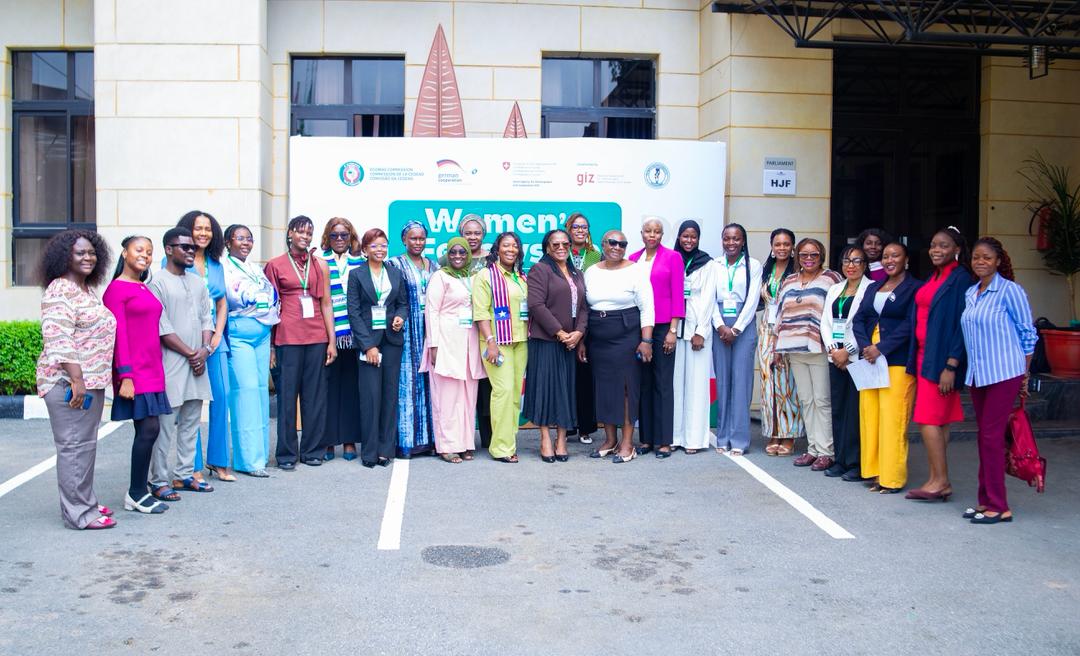
West African women leaders are being equipped with policy, advocacy and leadership skills, through a Women’s Fellowship, to influence responses to the growing challenge of climate-induced migration and displacement.
The six-month fellowship, launched by the Women Environmental Programme, WEP, in partnership with the German development agency GIZ, is designed to strengthen women’s participation in shaping policies and solutions to climate-related human mobility.
The Women’s Fellowship on Human Mobility in the Context of Climate Change brings together fellows and mentors from 12 ECOWAS countries for training, mentorship, policy engagement and regional collaboration.
The initiative is part of a three-day workshop holding in Abuja from August 31 to September 2, 2026, focusing on climate mobility, gender mainstreaming, advocacy and leadership.
WEP Global Lead, Dr Priscilla Achakpa, said women should not be viewed only as victims of climate displacement but as critical actors in developing solutions.
“Women are not just victims of climate mobility; they are essential drivers of the solution,” Achakpa said, stressing the need to strengthen their policy, advocacy and networking skills.
GIZ Technical Adviser on Migration and Climate Change, Apaemi Betts Owabomate, said women must have greater representation and influence in decisions affecting climate-related mobility.
Director of the Department of Climate Change, Dr Iniobong Abiola-Awe, also called for gender considerations to be integrated into climate vulnerability assessments and mobility planning.
The fellows will continue working with assigned mentors for six months to develop practical initiatives and contribute to policy and community responses to climate-induced human mobility.