The Federal Government has suspended all reviews of broadcast licence fees until further notice in a move aimed at easing the financial pressure on radio and television stations and ensuring the sustainability of Nigeria’s broadcasting industry.
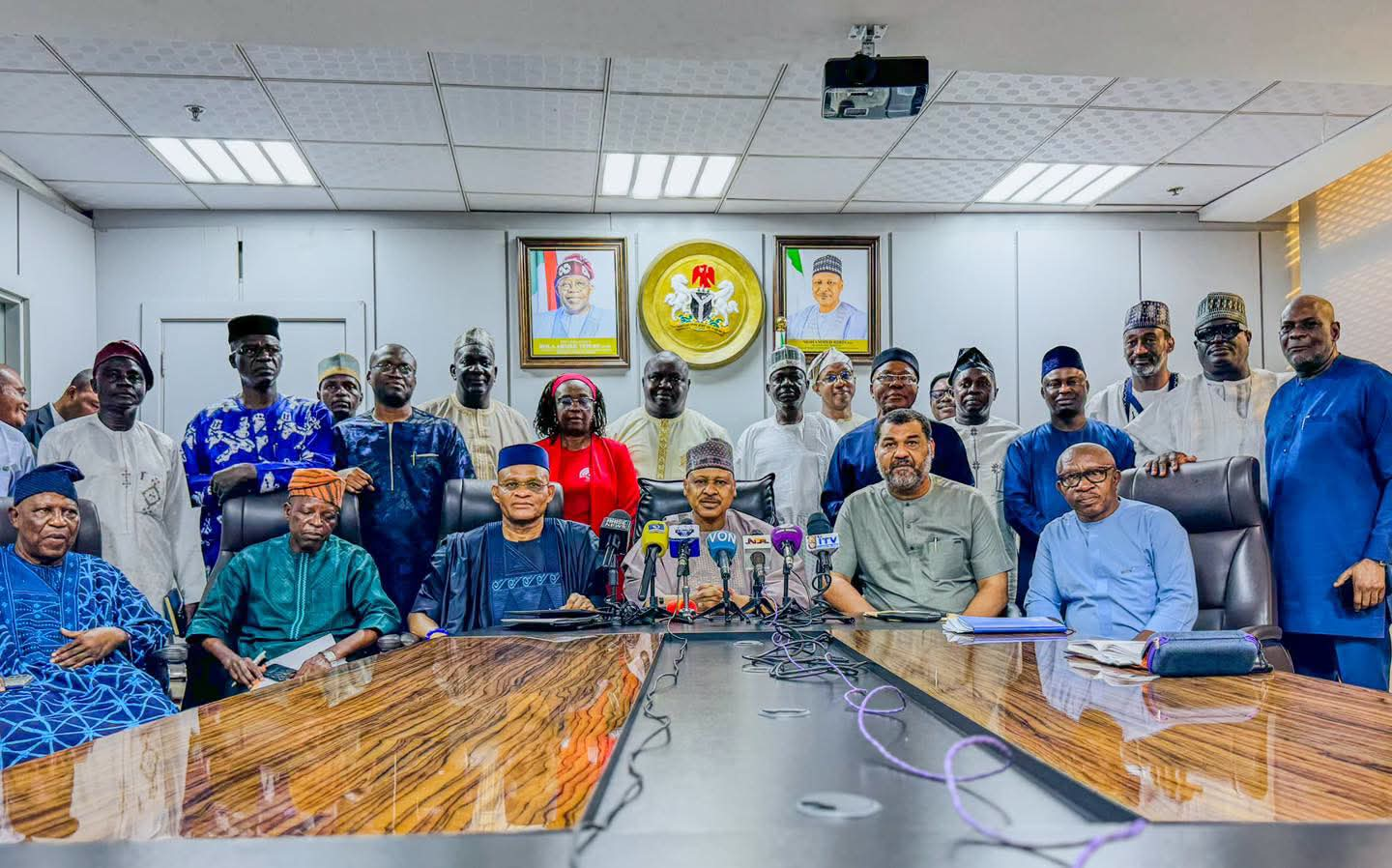
Minister of Information and National Orientation, Mohammed Idris, announced the suspension on Monday in Abuja while receiving a delegation of the Broadcasting Organisations of Nigeria, BON, led by its Chairman, Senior High Chief Tony Akiotu, following the organisation’s 82nd General Assembly.
In a statement issued by his Special Assistant on Media, Rabiu Ibrahim, the Minister said the decision was in response to concerns raised by broadcasters over rising operational costs and the increasingly difficult business environment confronting media organisations.
“Any increase in licence fees is hereby put on hold. All reviews relating to licences are suspended until further notice. I am directing the NBC to ensure strict compliance while we review the situation,” the minister said.
He also directed the Director-General of the National Broadcasting Commission, NBC, to expedite the review of the National Broadcasting Code to ensure that the regulatory framework reflects current realities and emerging developments in the broadcasting industry.
On the long-delayed Digital Switch-Over, DSO, programme, Idris promised to convene a stakeholders’ meeting to address outstanding concerns and resolve issues affecting its implementation.
The minister further disclosed that he had directed the Advertising Regulatory Council of Nigeria, ARCON, to ensure full enforcement of the 45-day payment period for advertising services, following BON’s concerns over delays in payments to broadcasters.
He also assured the delegation that the Federal Government would engage relevant stakeholders on access to affordable financing and spectrum allocation, two critical issues affecting the industry’s growth and competitiveness.
Earlier, BON Chairman, Akiotu, identified rising operational costs, broadcast licence fees, the review of the National Broadcasting Code, access to financing, spectrum allocation and delayed advertising payments as major challenges confronting operators.
He commended Idris for his intervention during the June 2026 launch of the DSO programme, noting that the stakeholders’ meeting convened by the minister helped address concerns about providing a level playing field for operators.
“BON believes in dialogue, consultation and mediation to prevent a breakdown of industrial harmony in the broadcasting industry. We are grateful for your personal intervention during the DSO launch and seek your continued support in addressing the challenges affecting our members,” Akiotu said.
Beyond the industry’s financial challenges, Idris stressed the importance of professional and ethical journalism, particularly as Nigeria approaches the 2027 general elections.
He said broadcasters had a responsibility to ensure that their platforms promote credible information, national cohesion and democratic development, warning against the misuse of press freedom.
“Freedom of expression must go with responsibility. You cannot simply say anything and claim to be practising journalism. Journalism has standards, procedures and ethics,” he said.
The minister urged broadcasting organisations to uphold factual reporting, fairness and professionalism, stressing that responsible journalism was essential to peaceful coexistence and national unity.
He congratulated BON on the successful hosting of its 82nd General Assembly in Calabar, Cross River State, and reiterated the Federal Government’s commitment to sustained engagement with industry stakeholders to strengthen the broadcasting sector.