By Sarah NEGEDU
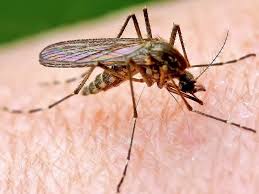
Malaria accounts for about 70 percent outpatient visits to hospitals in the nation’s capital, with the disease said to be responsible for over 40 percent of admission cases across hospitals in the FCT. This is according to the Health and Human Service Secretariat, HHSS, which reports that an estimated 289,957 malaria cases were reported across the FCT, which has a malaria prevalence rate of 35.4 percent. The Mandate Secretary of HHSS, Dr. Abubakar Tafida, made this disclosure at a stakeholders interactive forum, organised by the Secretariat as part of activities to mark the 2022 World Malaria Day, with the theme: “Harness innovation to reduce malaria disease burden and save lives.” According to him, Nigeria accounts for 32percent of malaria related deaths, as the disease is responsible for 60 percent of admissions, 11percent of maternal mortality, 25 percent of infant mortality and 30 percent of under-5 mortality. He adds “The situation in the FCT is also critical. Stagnant waters, which are characteristics of the ever-enlarging slums across the FCT, are the breeding ground for the Anopheles mosquitoes, whose bites cause malaria.” The Secretary however, added that the FCT Administration has strategically adopted multi-pronged approach towards reducing and controlling the menace of the disease. Some of the approach include free distribution of 168,000 long lasting insecticides treated nets to communities and health facilities across the six area councils for target population, free provision of malaria prophylaxis medicine, sulfadoxine pyrimethamine for pregnant women, among others. Also speaking, Dr. Olusola Oresanya, of the Malaria Consortium, who delivered a talk on controlling malaria in Nigeria to the hundreds of participants consisting of health workers, supporting partners and students of the FCT school of Nursing, Gwagwalada, disclosed that Nigeria has the highest contributor of malaria burden (55.2 percent) WHO African region. She noted that the current recommendation is that controlling malaria should be a multi-pronged approach, hence it is not an isolated approach, if the disease is must be eliminated. According to her, malaria is a treatable and curable disease, thus it is possible to defeat malaria in the FCT and Nigeria at large, amongst others with sustained net campaign, bringing in mechanisms to build up existing interventions for health issues, as every effort counts in the quest to eliminate health challenges especially malaria.