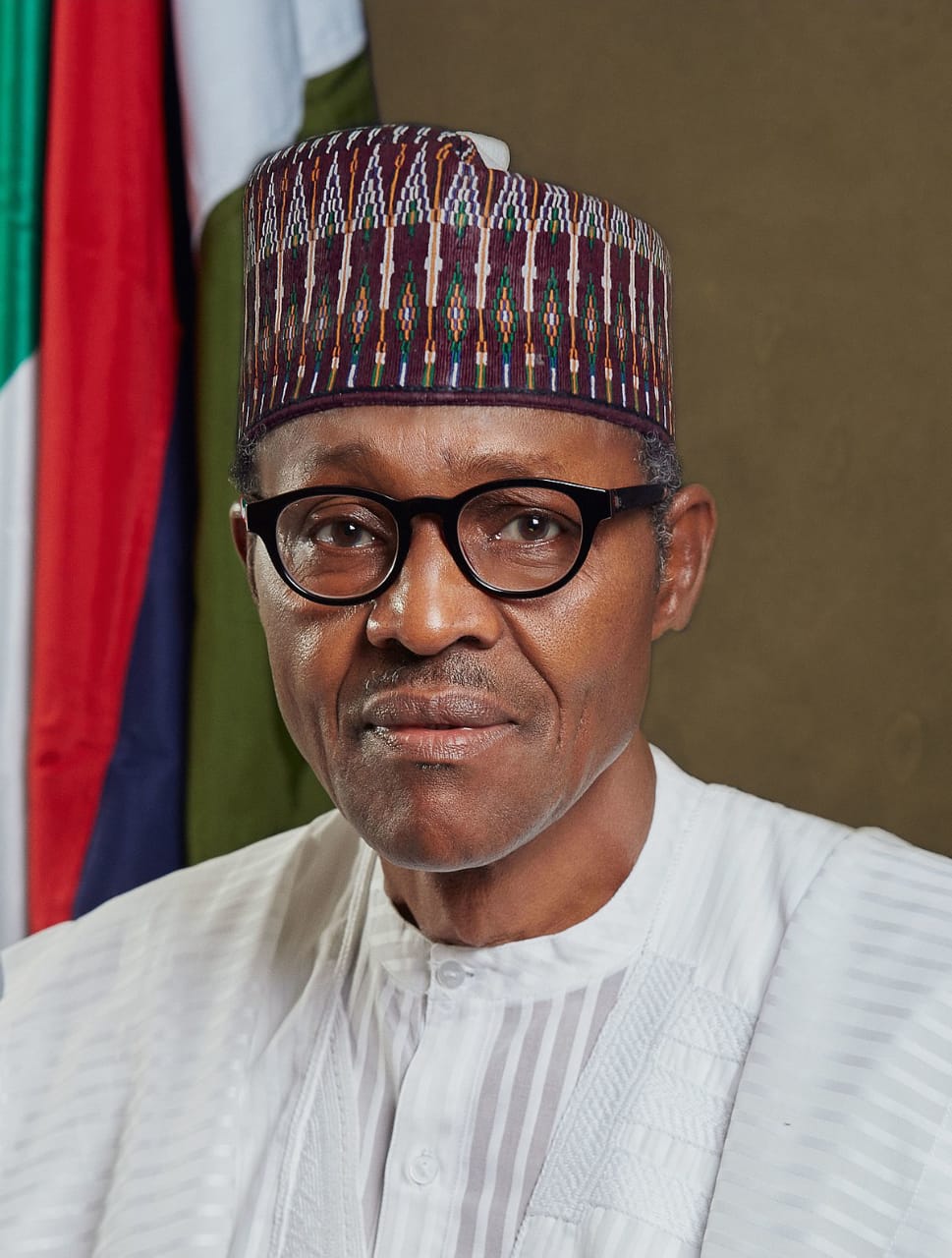
President Muhammadu Buhari has put the estimate of Nigeria’s Micro, Small and Medium Enterprises, MSMEs, at over 40 million, contributing about 48 per cent of the country’s Gorss Domestic Product, GDP.
Buhari spoke at the 17th Abuja International Trade Fair, with the the theme: “creating an export-ready market through SME digitisation.”
Represented by the Minister of Industry, Trade and Investment, Otunba Niyi Adebayo, the president stressed the critical role of MSMEs in stimulating economic development, adding that “one of the nine priority areas of this administration is to “Drive industrialisation focusing on SMEs.”
“Trade plays a significant role in the economic growth of any nation. It helps to build wealth and improve foreign reserves. Trade is key to ending poverty across countries, raising standards of living and improving productivity. No economy can thrive without robust trade.
“Here present, I see enterprises with the capacity to produce in large quantities. I see enterprises that employ large cross-sections of our youth population. I see enterprises with the capacity to export. I do not see small businesses here; I see future mighty business.
According to the president, the Federal Government is keen to help MSMEs achieve their full potential and has developed strategic policy interventions, enshrined laws and established institutions to create a supportive business environment for entrepreneurs and MSMEs.
He said it is in line with this, that the Ministry of Industry, Trade and Investment has developed a programme that will enhance access to credit for over 10 million MSMEs at single digit rate.
“Aside from provision of finance, this project will address key ecosystem issues such as development of MSME clusters to lower operating costs as well as capacity building initiatives.
“The Ministry has also commenced the process of adopting a centralised automated platform for the registration of Trademarks, Patents and Designs. The overall objective is to fully digitise existing records and automate the registration process to enable ownership and commercialisation of innovation.
“The Federal Government has also approved fiscal incentives for MSMEs which includes exemption from Company Income Tax and Value Added Tax for enterprises with annual turnover of less than 25 million Naira. The Pioneer Status Incentive also grants tax holidays for start-ups across multiple sectors,” he said.
Also speaking, the President, Abuja Chamber of Commerce and Industry, ACCI, Dr Al-Mujtaba Abubakar, said the Abuja International Trade Fair, AITF, has over the years become a platform where businesses across Nigeria, Africa and other parts of the world gather for business connectivity and linkages.
Abubakar described the trade fair as a standard platform for brand establishment that brings together various aspects of trade and industry, foreign ambassadors decision-makers, business delegations, entrepreneurs, and innovators.
“Since inception, the Trade Fair has served Nigeria as a trusted global trade destination and a potential market for over 50,000 consumers. It has also been a global platform, which provides an avenue where business men, entrepreneurs, service providers, and many others converge.
“It also provides an avenue for the distribution of trade, investment, market opportunities, and ideas that would greatly help sellers, buyers, investors, and countries to promote relationships in business.
“The 17th AITF focuses on exports hence, the theme, “Creating an Export Ready Market Through SMEs Digitization”. Digitization offers a range of opportunities for SMEs to improve performance, spur innovation, enhance productivity and compete on a more even footing with larger firms, reflecting: economies of scale; lower operation and transaction costs; and reduced information Asymmetries,” he said.