By Khadijat ABDULLAHI
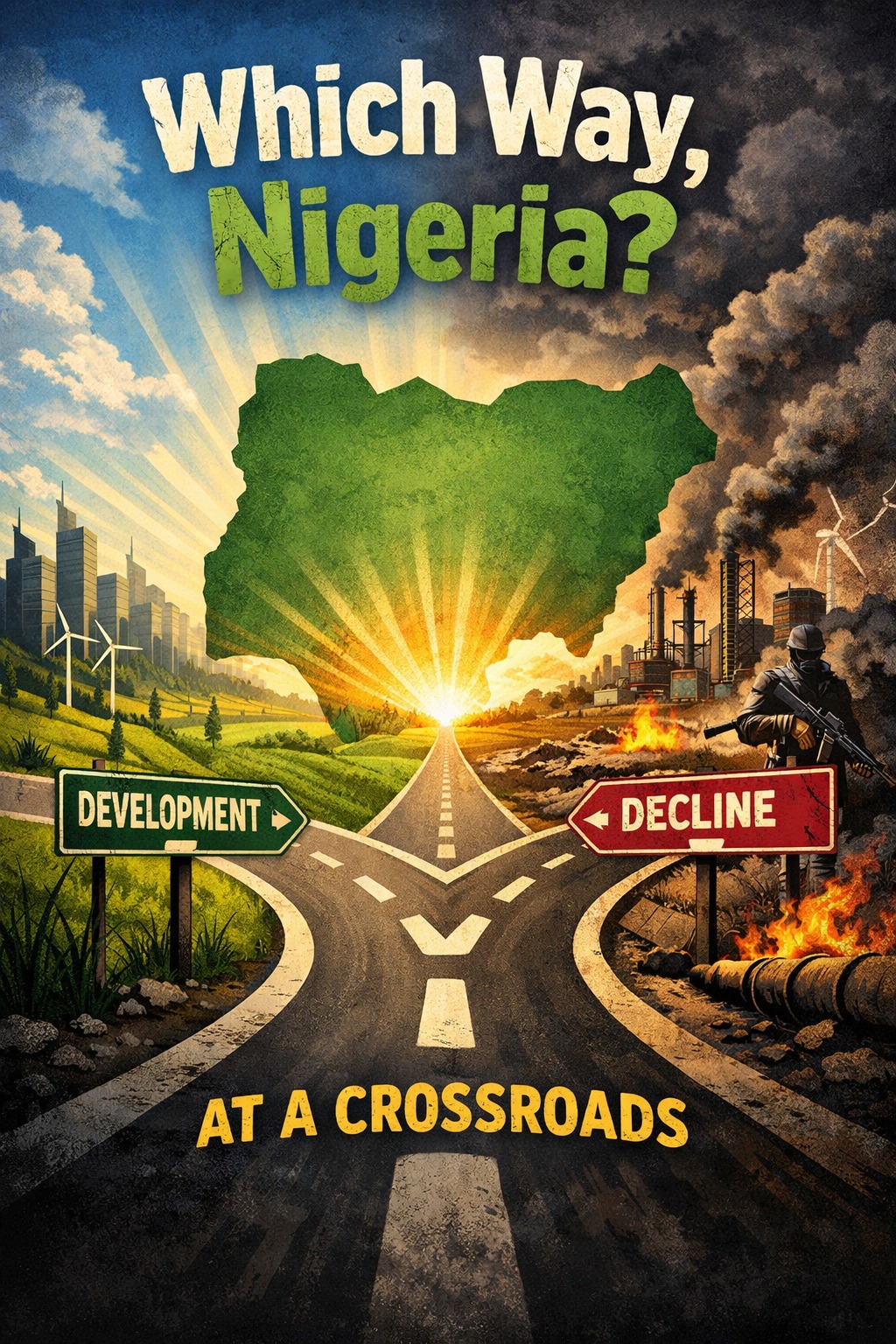
Nigeria stands today at a pivotal moment in its history—a nation rich in human and natural resources, yet grappling with persistent political instability, economic challenges, and social fragmentation. Recent developments in the political landscape underscore the urgency of national reflection and decisive action by both leaders and citizens.
The 2023 general elections and subsequent political maneuverings have exposed the fragility of party structures and the transactional nature of political alliances. While democracy in Nigeria has survived numerous tests, including controversial elections and governance crises, the repeated failure to consolidate institutional integrity threatens public trust in the system. Citizens increasingly question whether political actors prioritize personal ambition over national interest.
Security remains a paramount concern. Incidents of banditry, insurgency in the northeast, and communal clashes across the country have continued despite government interventions. These challenges are not merely regional but strike at the heart of national unity. The political class must recognize that security is inseparable from development, and sustainable peace requires proactive policies rather than reactive measures.
Economically, Nigeria is wrestling with inflation, unemployment, and dwindling foreign investment. The recent national budget, while ambitious, has been critiqued for inadequate focus on industrialization and value addition in the agricultural sector.
Nigeria’s youth, who represent over 60% of the population, face the dual threat of economic stagnation and political marginalization. Their energy and innovation remain largely untapped, yet they are central to the nation’s future trajectory.
However, amidst these challenges, there are glimmers of hope. Recent initiatives aimed at boosting local manufacturing, strengthening anti-corruption agencies, and promoting digital governance indicate a willingness among policymakers to pursue reform. Civil society, the press, and youth-led movements continue to hold leaders accountable, demonstrating that a vigilant populace can influence the course of governance.
For Nigeria to achieve its full potential, a nationalist approach rooted in unity, meritocracy, and accountability is essential. Political leaders must rise above ethnic, religious, and regional divides to serve the collective interest. Citizens, in turn, must engage constructively in governance, rejecting cynicism in favor of participation. National renewal is not the task of the government alone—it is a shared responsibility.
As Nigeria navigates these turbulent times, the choices made today will determine whether the nation remains a patchwork of competing interests or emerges as a cohesive, resilient, and prosperous state.
True nationalism is not merely celebrating the country’s achievements; it is confronting its challenges boldly, demanding accountability, and building a Nigeria worthy of future generations.
Khadijat Abdullahi is a 400-level undergraduate of the Ibrahim Badamasi Babangida University Lapai, Niger State