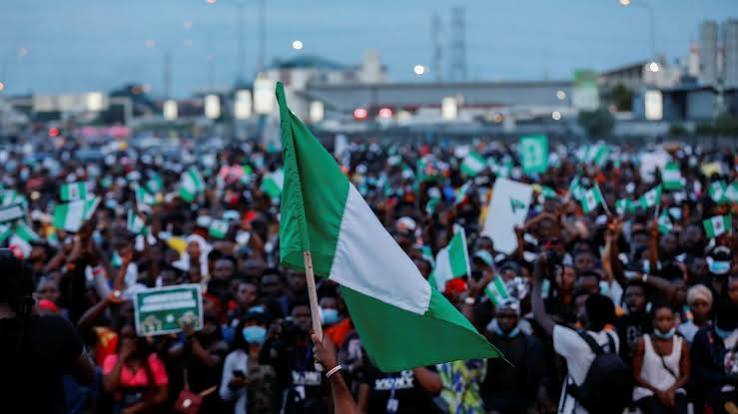
As Nigeria approaches the January 2027 presidential elections, the political atmosphere is once again thick with rhetoric, accusations, and recycled controversies.
The nation’s two most prominent figures—President Bola Tinubu and former Vice President Atiku Abubakar—have been at the center of this storm, trading barbs and revisiting old allegations rather than presenting Nigerians with clear, actionable plans for the future.
This pattern is not new, but it is deeply troubling. At a time when Nigeria faces pressing challenges—economic instability, insecurity, unemployment, and a strained social fabric—the electorate deserves more than mudslinging. They deserve a roadmap.
Campaigns are meant to be contests of ideas, not battles of insults. Yet, the dominant narrative in Nigeria’s political space has been one of personal attacks and rehashed grievances.
Allegations of corruption, questions about past conduct, and endless recriminations have overshadowed substantive discussions about governance.
While accountability is important, the fixation on allegations—many of which have been aired repeatedly over decades—distracts from the urgent need to debate policies that can lift millions out of poverty and restore confidence in the democratic process.
Nigeria’s democracy is still young and fragile. Since the return to civilian rule in 1999, elections have often been marred by violence, voter apathy, and mistrust in institutions.
One of the surest ways to strengthen democracy is to elevate the quality of campaigns. When candidates focus on issues—such as how to diversify the economy beyond oil, how to tackle insecurity in the North and South, how to reform education, and how to provide reliable healthcare—they not only inform voters but also build legitimacy for the eventual winner.
Issue‑based campaigns foster accountability: when politicians make promises tied to specific policies, citizens can measure their performance against those commitments.
Unfortunately, the current trajectory suggests that Nigerians may once again be forced to choose leaders based on personality clashes rather than policy clarity. This is a disservice to the electorate.
Nigeria is Africa’s largest democracy, and its elections reverberate across the continent. A campaign season dominated by allegations rather than ideas sends the wrong signal to younger democracies struggling to consolidate their institutions. It suggests that politics is about power for its own sake, not service to the people.
President Tinubu, as the incumbent, has a responsibility to set the tone. His administration has faced criticism over economic reforms, particularly the removal of fuel subsidies and the resulting inflationary pressures.
These are legitimate issues that deserve open debate. How does his government plan to cushion the impact on ordinary Nigerians? What long‑term strategies are in place to stabilize the naira and attract investment? These are the questions voters want answered.
Similarly, Atiku Abubakar, as a perennial contender, must move beyond broad promises and articulate specific, credible policies. Nigerians have heard his critiques of successive governments; what they need now is a detailed plan for job creation, infrastructure development, and national unity.
The media also has a role to play. Too often, coverage amplifies sensational allegations rather than substantive policy discussions. Journalists must resist the temptation of click‑driven headlines and instead press candidates to explain their positions on critical issues.
Civil society organizations, professional associations, and youth groups should organize debates, town halls, and policy forums that force candidates to engage with the real problems facing citizens.
Voters themselves must demand more. Democracy thrives when citizens insist on accountability, not when they passively consume political theater.
Nigeria’s challenges are immense but not insurmountable. The country has a vibrant youth population, vast natural resources, and a resilient spirit. Harnessing these strengths requires visionary leadership and pragmatic policies.
Whether it is tackling insecurity through community‑based policing, reforming the power sector to ensure reliable electricity, or investing in technology and innovation to drive growth, the solutions are within reach. But they will not emerge from endless cycles of allegations. They will come from leaders who are willing to engage in honest, issue‑based dialogue with the people.
As the January 2027 elections draw closer, Nigeria stands at a crossroads. The choice is not merely between Tinubu and Atiku, or between ruling and opposition parties. It is between a politics of distraction and a politics of substance.
The former leads to cynicism, apathy, and stagnation. The latter offers hope, progress, and renewed faith in democracy.
Nigeria’s political actors must rise to the occasion. They must put aside the temptation to dwell on the past and instead focus on the future. The stakes are too high, and the people deserve nothing less.