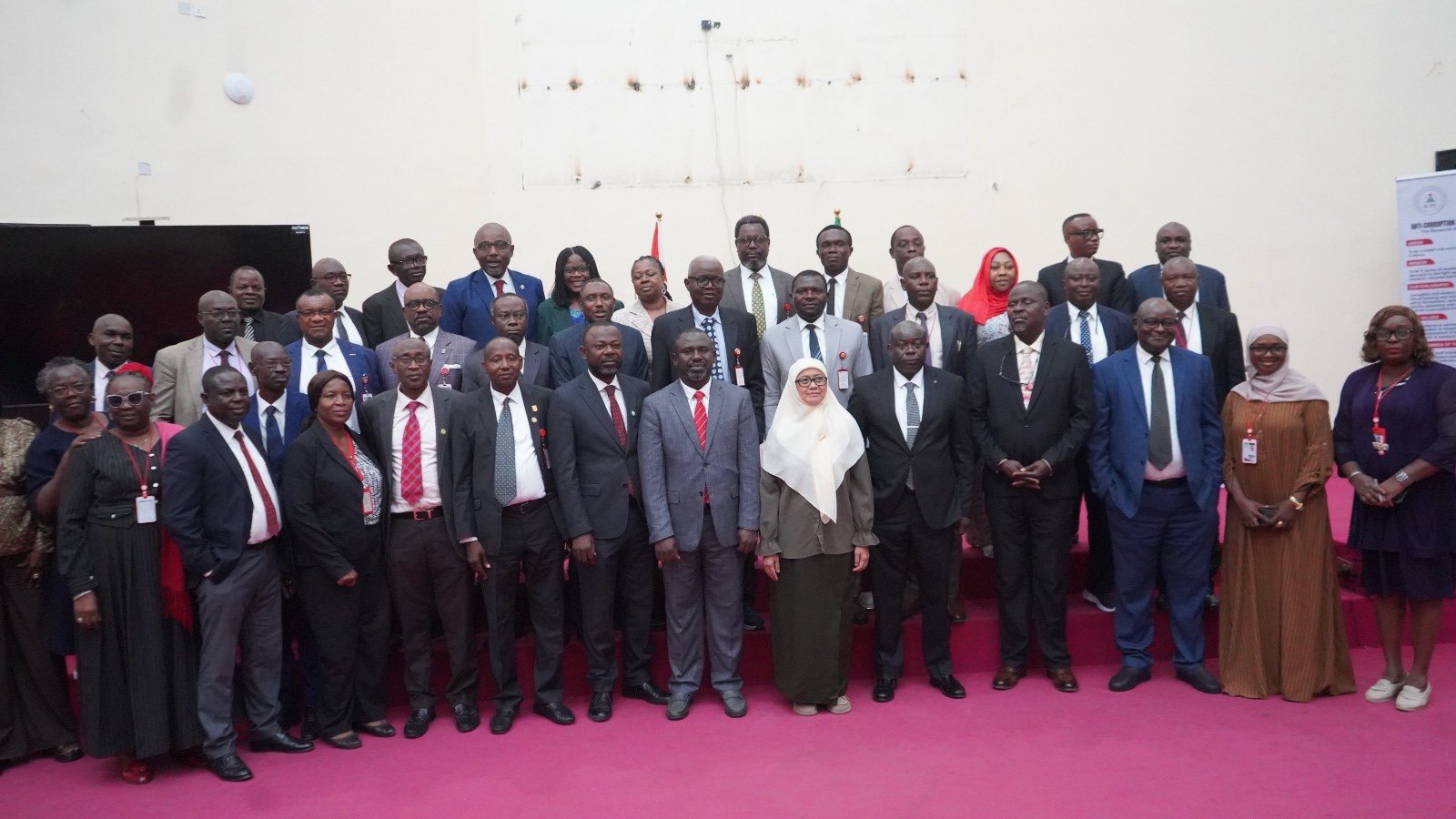
The Independent Corrupt Practices and Other Related Offences Commission has called for stronger international cooperation and the adoption of global best practices to strengthen Nigeria’s fight against corruption.
The ICPC Chairman, Dr Musa Adamu Aliyu, made the call on Monday in Abuja at the second edition of the International Diplomatic Dialogue organised by the Anti-Corruption Academy of Nigeria.
Represented by the Secretary to the Commission, Clifford Oparaodu, Aliyu said corruption remained a global challenge with significant political, economic and developmental consequences.
He said Nigeria could strengthen its anti-corruption efforts by studying successful approaches in other countries and adapting them to local realities.
The dialogue, themed “Experience Sharing in Anti-Corruption Strategy: The Indonesian Perspective,” provided a platform for Nigeria and Indonesia to exchange experiences on institutional reforms, legal frameworks, prevention strategies and enforcement mechanisms.
Aliyu said Indonesia’s Corruption Eradication Commission, known as KPK, offered valuable lessons for Nigeria, particularly in the areas of prevention, enforcement and institutional coordination.
He said the engagement was also aimed at promoting evidence-based approaches to corruption prevention and strengthening a culture of transparency, accountability and integrity in both the public and private sectors.
Sharing Indonesia’s experience, the Minister Counsellor for Political Affairs at the Indonesian Embassy in Nigeria, Mrs Tuty Dityawanty, said the KPK, established in 2003, was empowered to coordinate and supervise anti-corruption institutions, investigate and prosecute corruption cases, prevent corrupt practices and monitor state governance.
She said the agency had prosecuted and secured convictions against several high-profile public officials, including ministers, governors, lawmakers and judges.
However, she noted that challenges persisted, particularly bribery linked to public services and business licensing.
Dityawanty identified public confidence and support as critical to the success of anti-corruption institutions, noting that the prosecution of powerful individuals had helped to challenge impunity.
She also highlighted Indonesia’s asset declaration regime, which requires public officials, civil servants, executives of state-owned enterprises and other senior officials to declare their assets through the State Administrator Asset Report administered by the KPK.
Earlier, the Provost of the Anti-Corruption Academy of Nigeria, Prof Sheriff Ghali Ibrahim, said Indonesia’s experience demonstrated the importance of combining preventive education, asset disclosure and criminal prosecution in tackling corruption.
The dialogue is an initiative of ACAN, the research and training arm of the ICPC, aimed at promoting knowledge exchange and strengthening international collaboration in the fight against corruption.