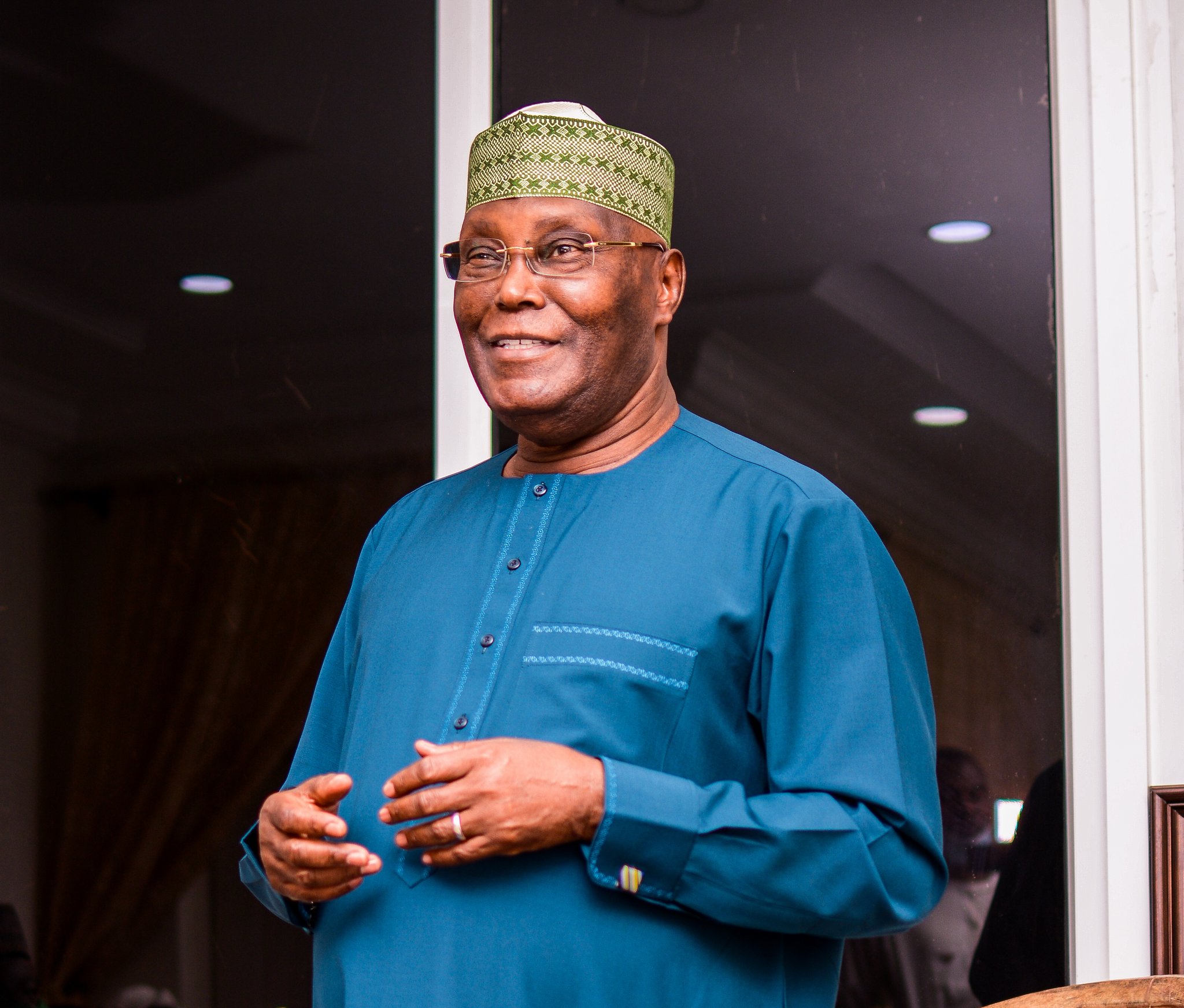
Former Vice President Atiku Abubakar has doubled down on his pledge to restore fuel subsidy if elected president, insisting that Nigeria’s economic policies must prioritise the purchasing power and welfare of citizens.
Atiku said he would restore a targeted subsidy regime to cushion Nigerians from rising living costs, stressing that the wealth of a nation should not be measured by how much government collects, but by the purchasing power of money in the hands of its citizens.
He restated the position on Tuesday when he received the Osun State leadership of the African Democratic Congress, ADC, in Abuja, declaring that his position on fuel subsidy had not changed and would not change.
“My position has not changed and will not change: I will restore it,” Atiku said, arguing that a country as richly endowed as Nigeria had no justification for abandoning its citizens to economic hardship.
According to him, restoring a targeted subsidy would help return purchasing power to Nigerians while reducing the pressure of rising energy and transportation costs on households, farmers and businesses.
He explained that increases in fuel prices inevitably drive up transportation costs, which in turn push up food prices and worsen the financial burden on families.
“I want wages to have value again. I want farmers to move produce without transport swallowing their profits. I want families to fill their baskets without emptying their pockets. I want businesses to produce, employ and prosper,” he said.
Atiku said his proposed subsidy policy would not be a return to what he described as the “import racket”, but a targeted intervention designed to provide relief to Nigerians while supporting domestic production.
“I will not restore the import racket; I will restore relief,” he said.
He also pledged to support Nigerian production, reduce energy costs and strengthen the purchasing power of citizens, saying the objective was to make everyday life more affordable.
Atiku accused the administration of President Bola Ahmed Tinubu of presiding over a period of prolonged economic hardship, promising to break what he described as a cycle of rising fuel, transportation and food costs that had defined nearly four years of the Tinubu presidency.
He said his broader economic agenda would focus on ensuring that the naira in the pockets of Nigerians had greater value, while improving economic and physical security.
“That is the Nigeria I intend to build,” Atiku said.