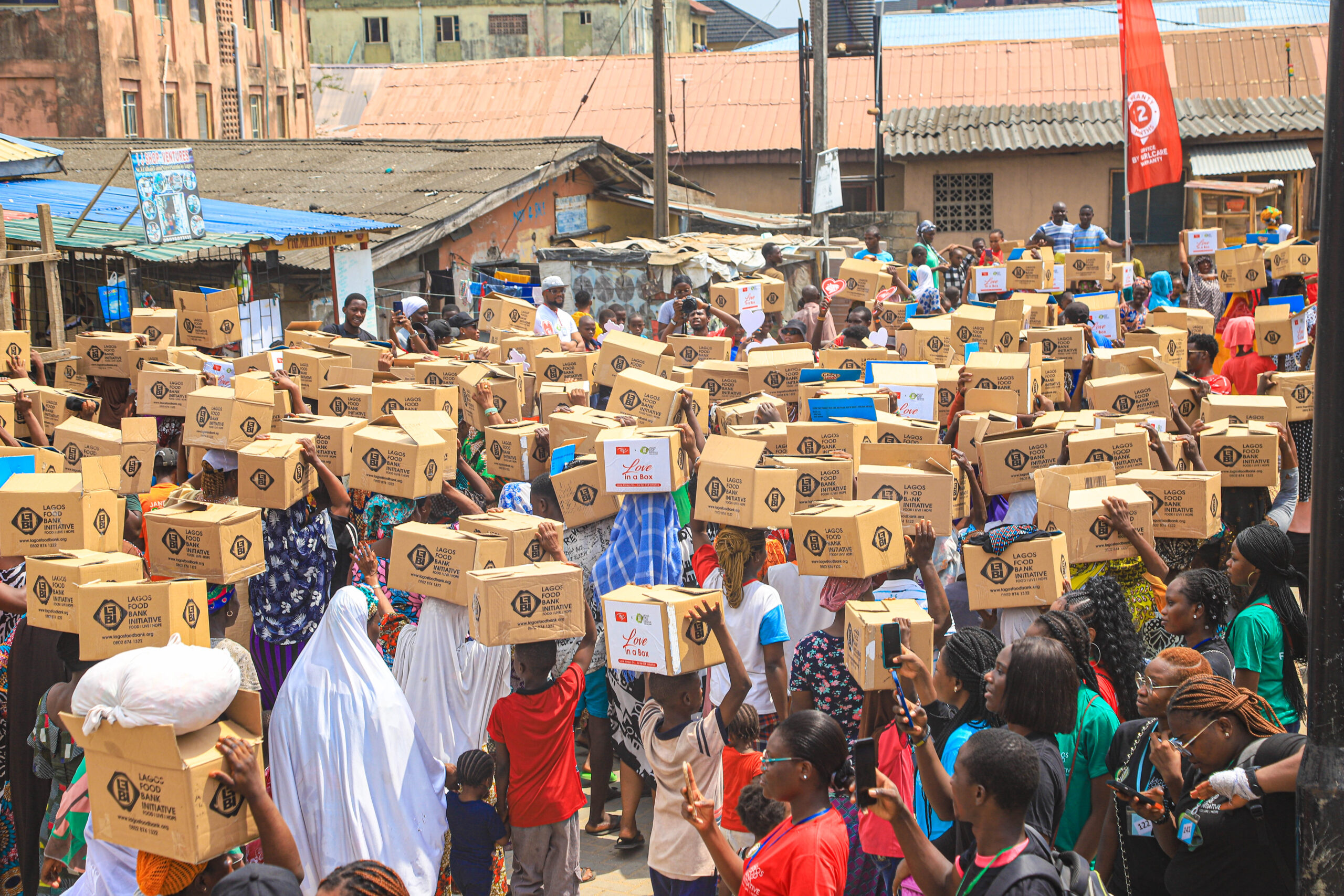
Nigeria’s food crisis has worsened beyond earlier 2026 projections, with 36.3 million people now facing crisis-level hunger or worse, according to the Alliance for a Green Revolution in Africa, AGRA.
The organisation noted that the figure represents 16.7 per cent of Nigeria’s population and is higher than the 34.7 million people projected to face acute food insecurity by both PwC and the Food and Agriculture Organisation during 2026.
AGRA, in its August 2026 Food Security Monitor covering 17 African countries, attributed the worsening situation to a combination of conflict, insecurity, displacement, high food prices and weather-related disruptions affecting agricultural production.
The latest estimate means Nigeria’s food-insecure population has surpassed earlier forecasts even as some food prices have recorded year-on-year declines.
The development highlights the continuing pressure of insecurity, transportation costs, disrupted livelihoods and limited access to food despite pockets of improvement in market conditions.
Nigeria also recorded the highest absolute number of people in the IPC/CH Phase 3+ category among the countries monitored by AGRA. South Sudan followed with 7.8 million, while Kenya recorded 4.1 million, Mozambique 3.5 million, Zimbabwe 2.5 million and Niger 2.4 million.
However, Nigeria’s 16.7 per cent share of the population affected was considerably lower than the proportions recorded in some smaller countries. South Sudan had 55 per cent of its population in crisis, while Uganda, Kenya and Malawi each recorded rates above 20 per cent. Ghana had the lowest proportion at four per cent.
AGRA said food-security conditions remained broadly stable across most of the countries monitored between July and August, although Malawi and Zambia recorded significant improvements, reducing their crisis-level populations by 52 per cent and 59 per cent respectively.
In West Africa, the report said emergency-level conditions persisted in parts of Mali, Niger and Nigeria, while Crisis-level food insecurity remained widespread in conflict-affected areas of Burkina Faso, northern Nigeria, Niger and parts of Mali.
The report also noted mixed trends in maize markets. Although maize prices increased by 19.3 per cent over six months and rose seven per cent in August to about $265 per metric tonne, the commodity remained 10.9 per cent cheaper than a year earlier.
AGRA said improved rainfall and seasonal harvests could strengthen food availability in the coming months. However, it warned that displacement, trade disruptions and high transportation costs could continue to constrain access to food.
The latest estimate therefore presents a more challenging picture of Nigeria’s food-security outlook, with the number of people facing crisis-level hunger now exceeding projections made earlier in the year.