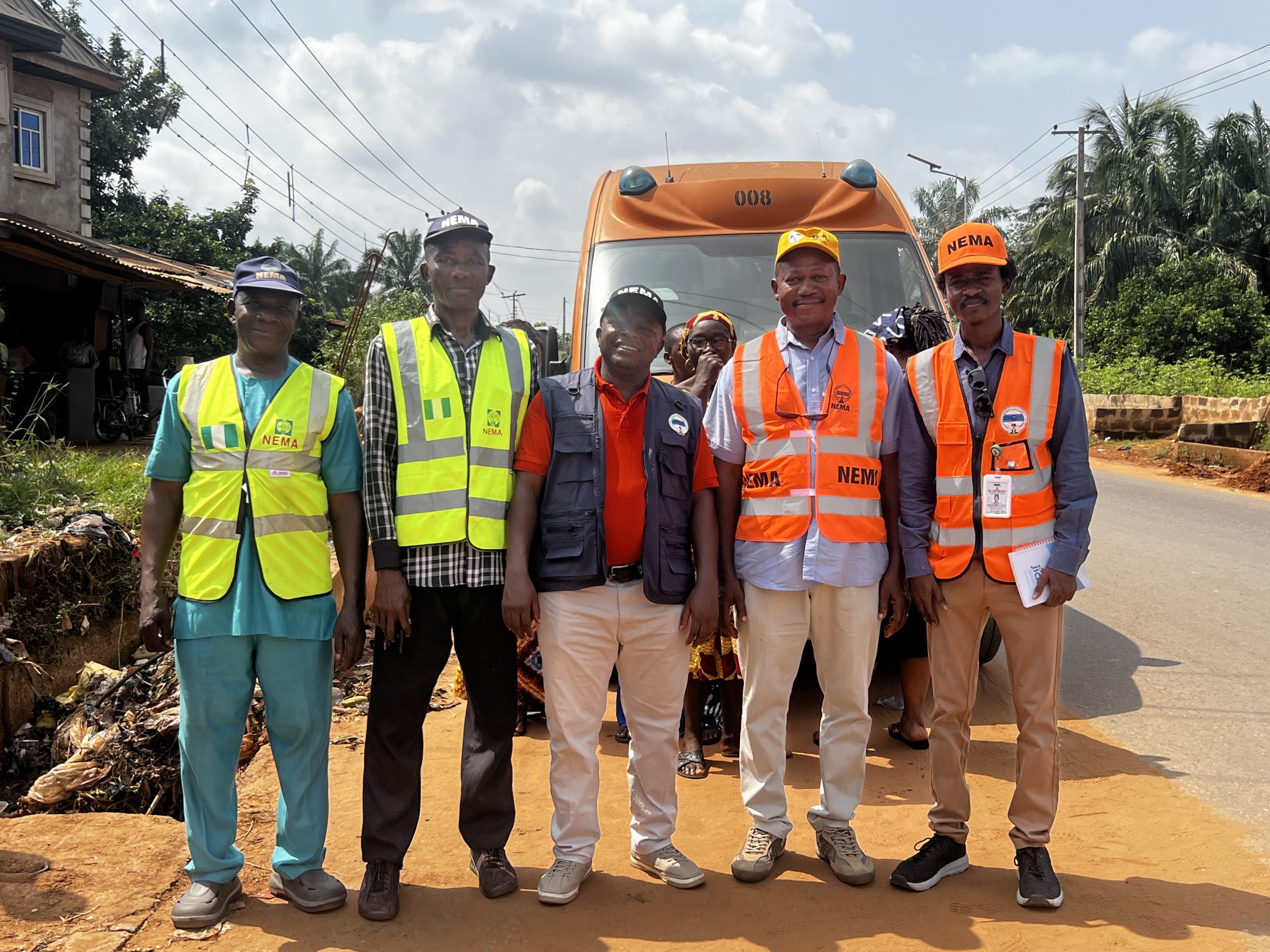
When floodwaters swept through parts of Idemili North during the peak of the rainy season earlier this year, residents in Ogidi and neighbouring communities woke up to submerged homes, ruined farmlands, and streets transformed into rivers.
Heavy rains had overpowered blocked drains and narrow waterways, leaving households whose livelihoods were already fragile stranded in uncertainty. Fences collapsed, shops were flooded, and entire stretches of road were swallowed by muddy water. For many, it was one of the most disruptive moments the area had faced in recent years.
The flooding in Idemili is part of a wider disaster that has affected thousands across Anambra State this year. Reports indicate that more than 5,000 people were displaced across different LGAs, struggling with waterlogged homes, damaged property, and limited access to safe spaces. For affected families in Idemili North, the experience reopened long-standing concerns about infrastructure decay and the state’s vulnerability to seasonal floods.
NEMA steps in
In response, the National Emergency Management Agency, NEMA, working with its stakeholders and state authorities, launched several interventions. One of the most visible was the distribution of relief materials to 2,024 affected households in Idemili North and South.
Households received food items such as rice, garri, vegetable oil, and beans, alongside non-food essentials including mats, sanitary materials, and clothing support designed to ease their immediate hardship after the floods.
Beyond relief, NEMA also intensified flood-preparedness initiatives across Anambra. The agency warned against blocked drains, carried out sensitisation campaigns in high-risk areas, and participated in simulation exercises to strengthen early-warning systems and emergency response. State agencies also identified evacuation centres that could accommodate displaced residents if water levels rose again.
Months later, as the waters have receded, the impact of NEMA’s interventions is still evident in communities like Ogidi. Relief materials have helped households restore daily routines, feed their families, and recover some of what was lost. Residents continue to sustain their households with the support they received and express gratitude for the assistance.
While challenges remain, the combination of federal relief, local engagement, community resilience, and ongoing sensitization demonstrates that these interventions are more than temporary measures; they provide a meaningful pathway for flood-affected families to rebuild their lives and prepare for future rainy seasons.
Many residents say they urgently need government support before the next rainy season. To them, the recurring floods are a reminder of how exposed they are. “Government should help us before the rain comes,” a community member said, reflecting a common fear shared across the neighbourhood.
But beneath their appeals lie a deeper problem: many locals are unaware that preventing flooding starts with community action. The practice of communal sanitation, where young men and women gather to clear blocked waterways, has faded over time.
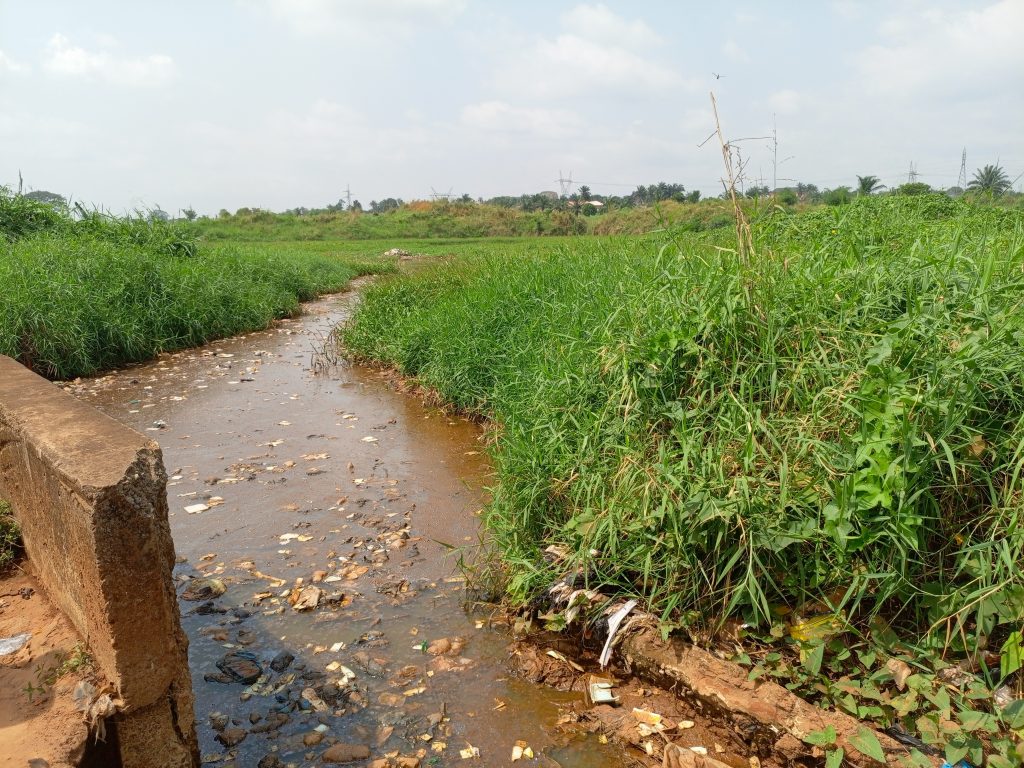
According to a resident, Chukwuma Theophilus, this neglect is worsening the situation. “If the communities were doing their part, it wouldn’t have reached this extent,” he said.
While residents believe the responsibility lies with the government, experts insist the process begins at the grassroots. Communities are expected to clear their immediate surroundings, then escalate the situation to the local government if it becomes overwhelming.
When the burden exceeds local capacity, the state and, eventually, the federal authorities step in. Even after the rains subsided, residents’ experiences reflected how the federal support, combined with local resilience, had helped families regain a sense of normalcy.
For many in Idemili, NEMA’s intervention has been a lifeline. Elder Charles Obi of Ogidi recalled receiving rice, oil, and other food items that helped sustain him and his neighbours’ months after the flood. “Even up to today, some residents are still with their rice, their oil, their tomato and the rest of it,” he said.
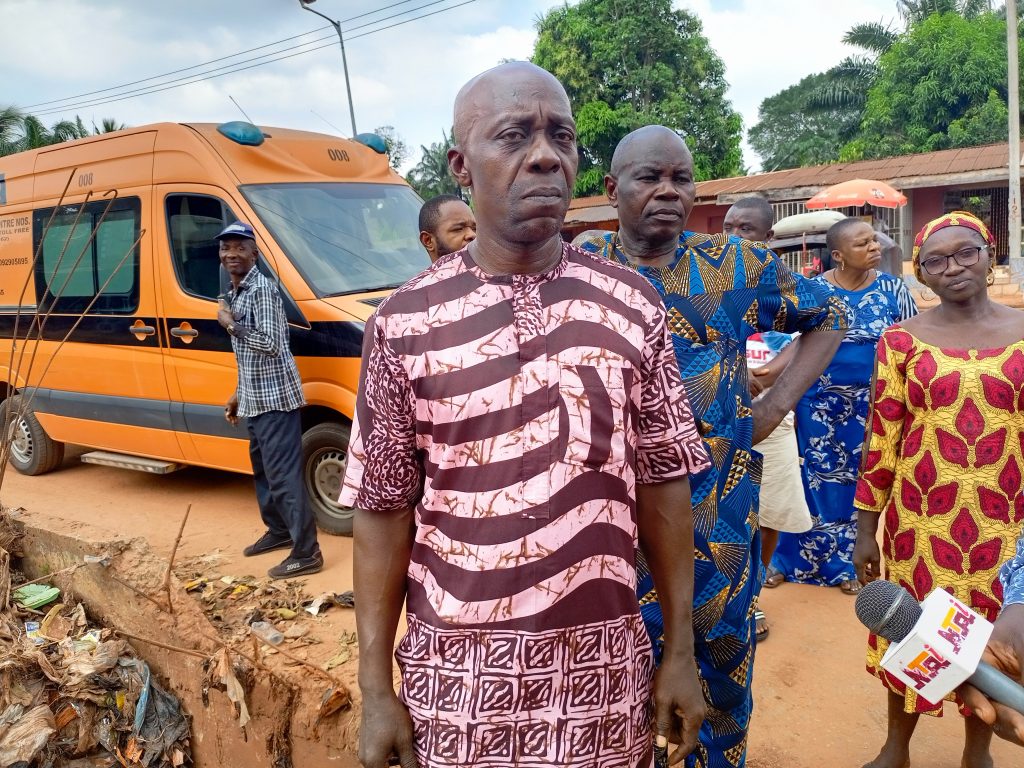
But he also highlighted the persistent vulnerability of the area: “I lost some of my property because the flood came into my room. Every season, nobody sits here. Floods don’t allow people to do anything. If the government can come to our aid and use one system or the other to reduce it, we will thank God.”
A mother and shop owner, Ukamaka Amechina, also shared how the relief restored hope in her household and the community. “They helped us. Those things they brought at least gave us courage. It helped us to gather ourselves together again. Because after the erosion, in fact, it seemed that all hope was lost. But what they did to us at least gave us hope,” she said.
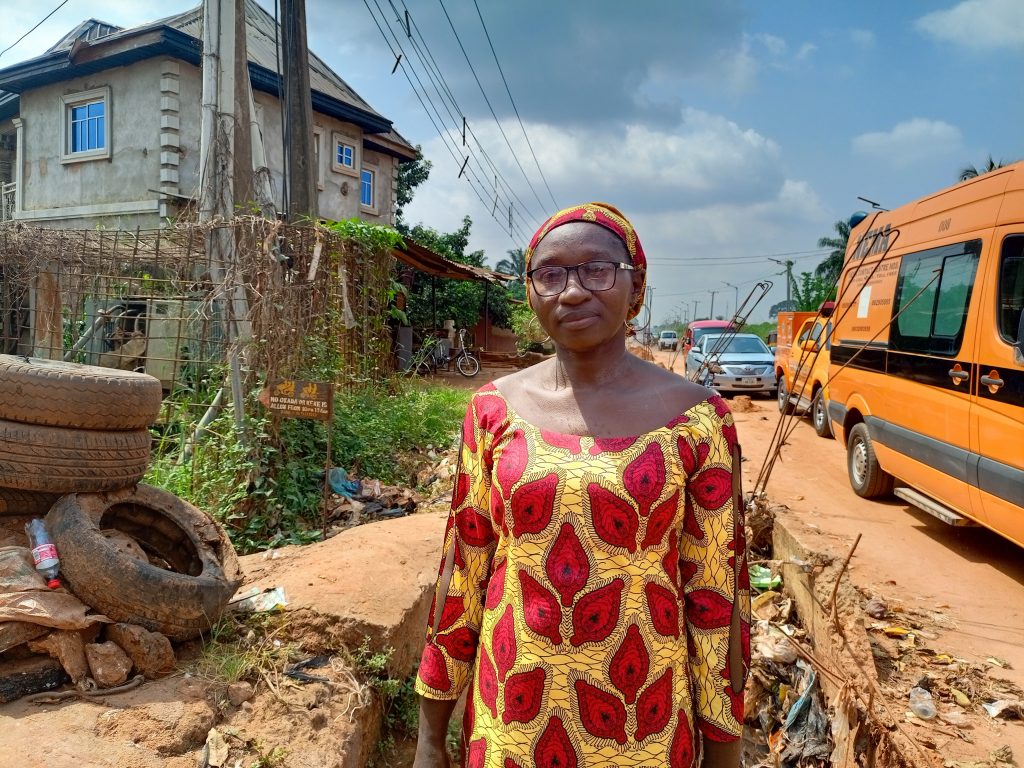
Reflecting on the impact as a woman, she added, “It helped us a lot. Like myself, everything is gone. My children are there. We don’t have anything to eat for some days. But when they brought those things, at least my children became happy.
“I became happy as a mother because you cannot sit down and watch your children crying. There’s no food, there’s no money. We were running up and down trying to ask people to help us, which they did before the government brought those things. At least my children’s joy came back to my house.”
In addition, another resident of Ogidi, Mrs. Odunukwe Chika said the relief helped sustain her family. “I’m so happy about the gift they gave us. At least it helped us to some extent. Ever since this thing happened, we have been suffering, no more food. The food we cultivated was destroyed by the water, so we are not hoping for any food again from all
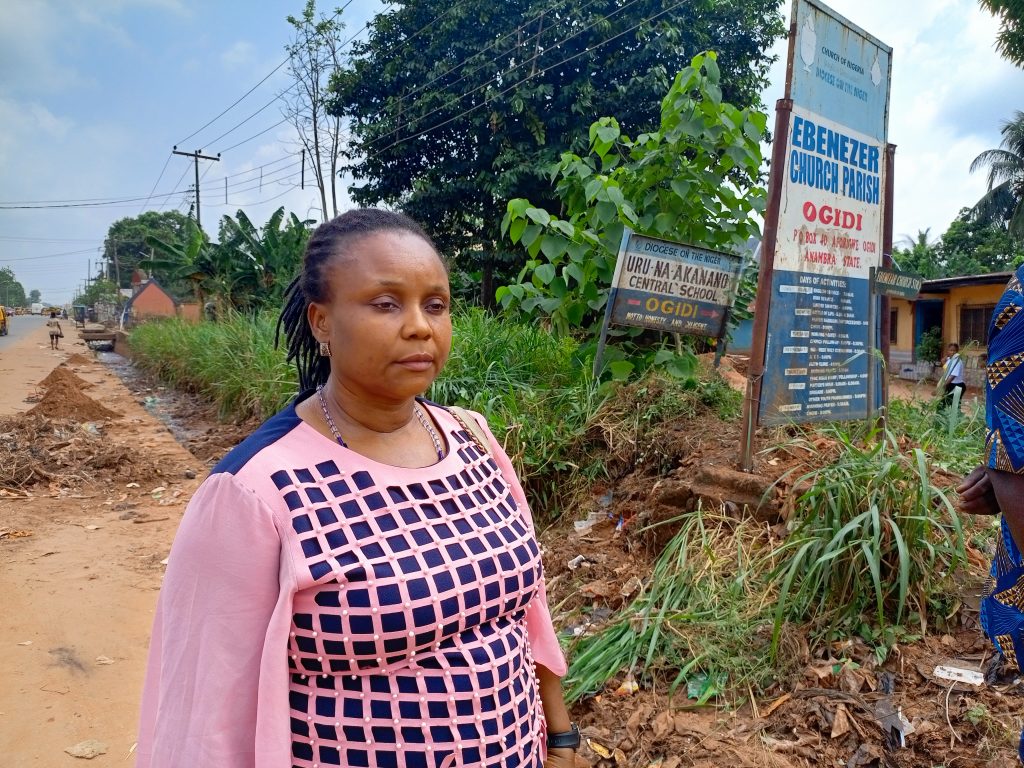
A shop owner, Mrs. Lovett Onya, echoed the relief’s importance but described her economic losses. “It is too much. They disturb us. I no longer sell in the market. They closed my shop. But now with this help, I’m very restful. In my shop, they destroyed everything. Even the road, every place is damaged.
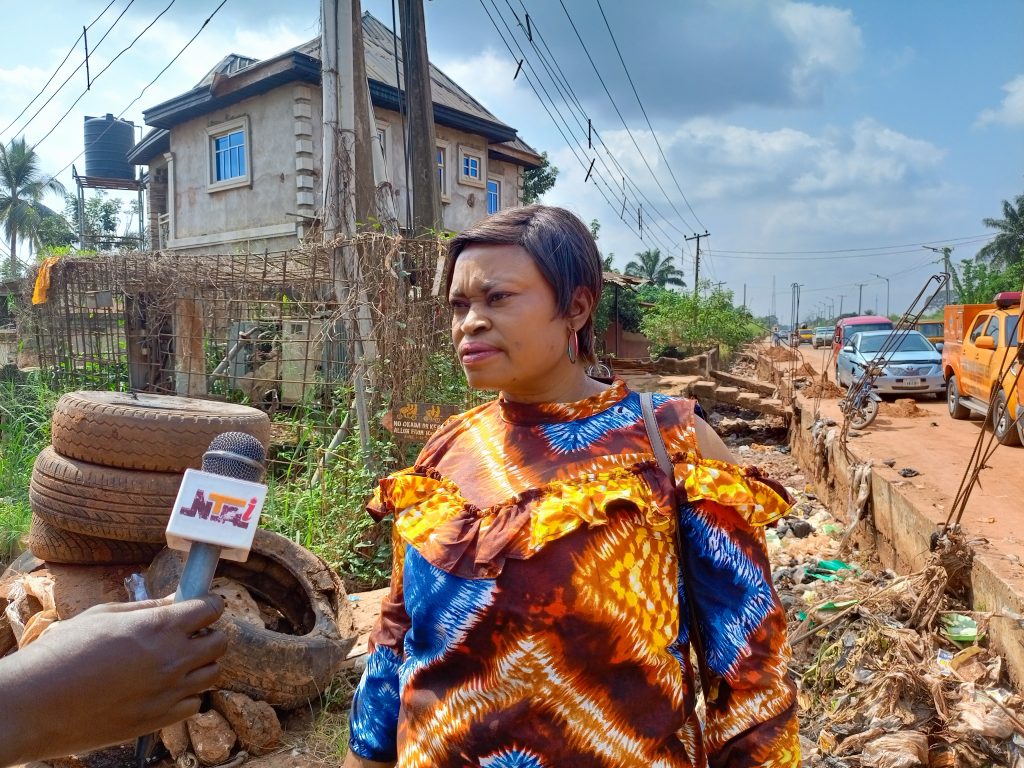
“We are begging the government to come and help us for that erosion, to come and work for us. I would like the federal government to put more effort, especially on the gutters. They should make sure that the gutters are clean so the water will see where to pass through, and the flood will not disturb anything again.”
Similarly, a resident Benjamin Aduche expressed gratitude for the relief but warned of the next rainy season. “All the relief items that was meant for us reached us very well. We thank NEMA very well and we are appreciating the moment they relieved us of that burden. This where we are now, the flood flowed everywhere.
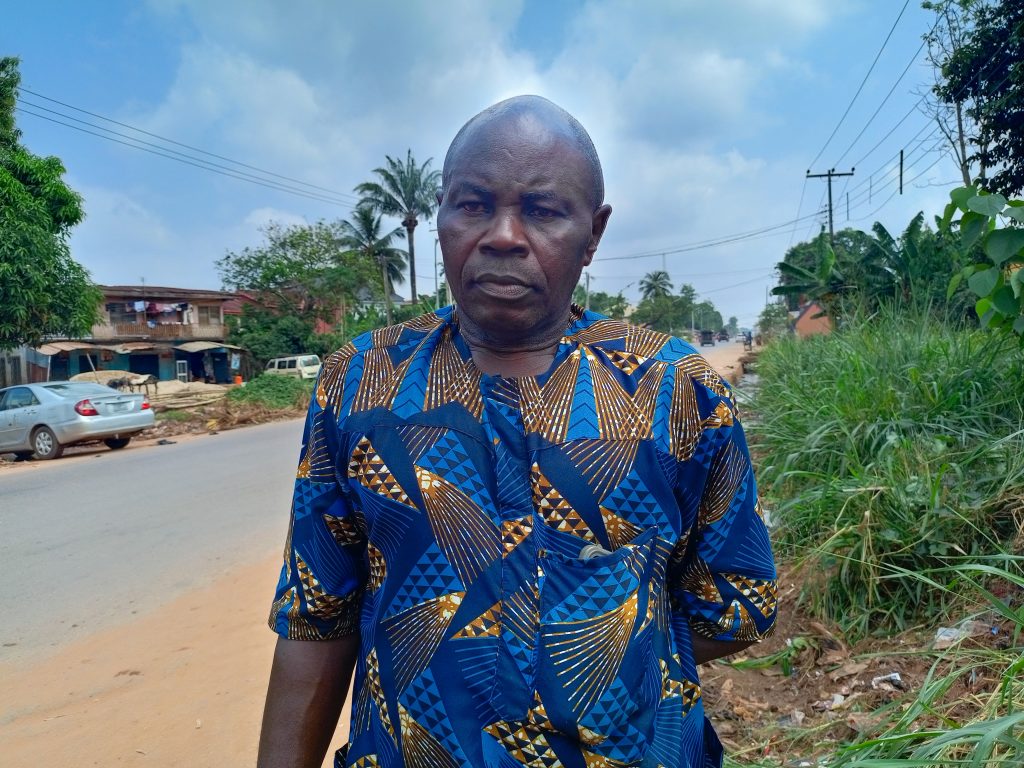
“Some houses were pulled down. All the food items people had inside their houses were finished. We would like the government, if they can come and help us, because the next rainy season, I don’t think we will be here.”
Officials speak
Head of Operations at NEMA’s Enugu Office, Ezeani Udemezue, who represented Manzo Ezekiel, Head of Press Unit, explained that several parts of Anambra State, particularly the flood-prone areas of Idemili North, Idemili South, Ogbaru, Anambra West, and Anambra East, experienced severe flooding this year.
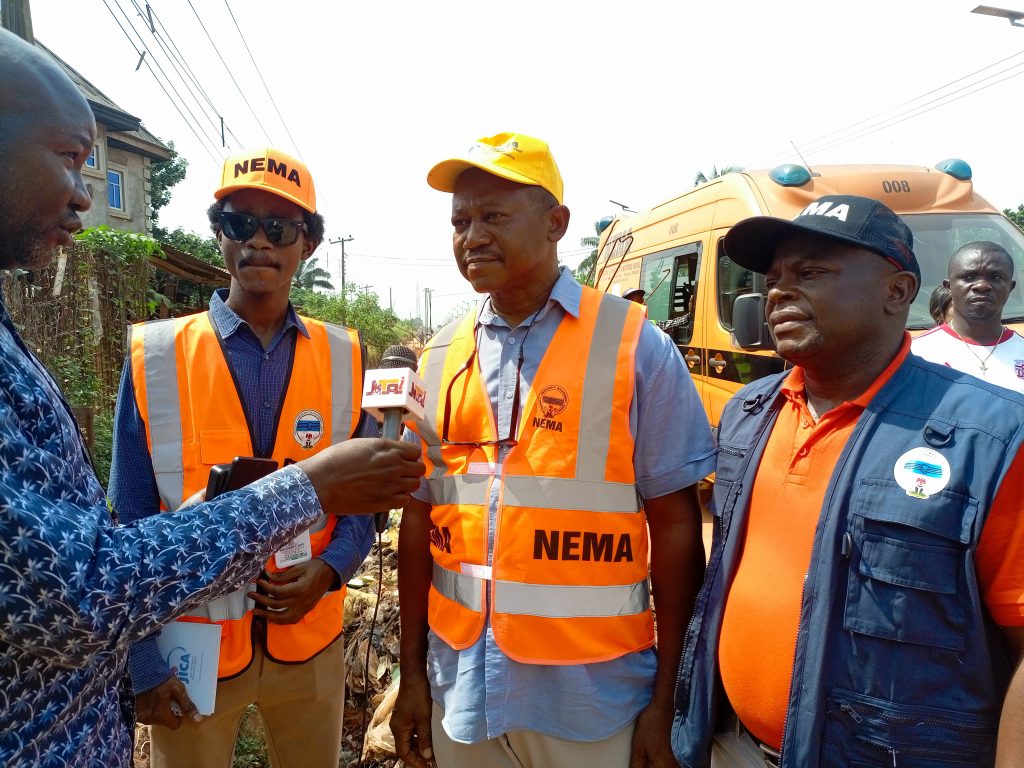
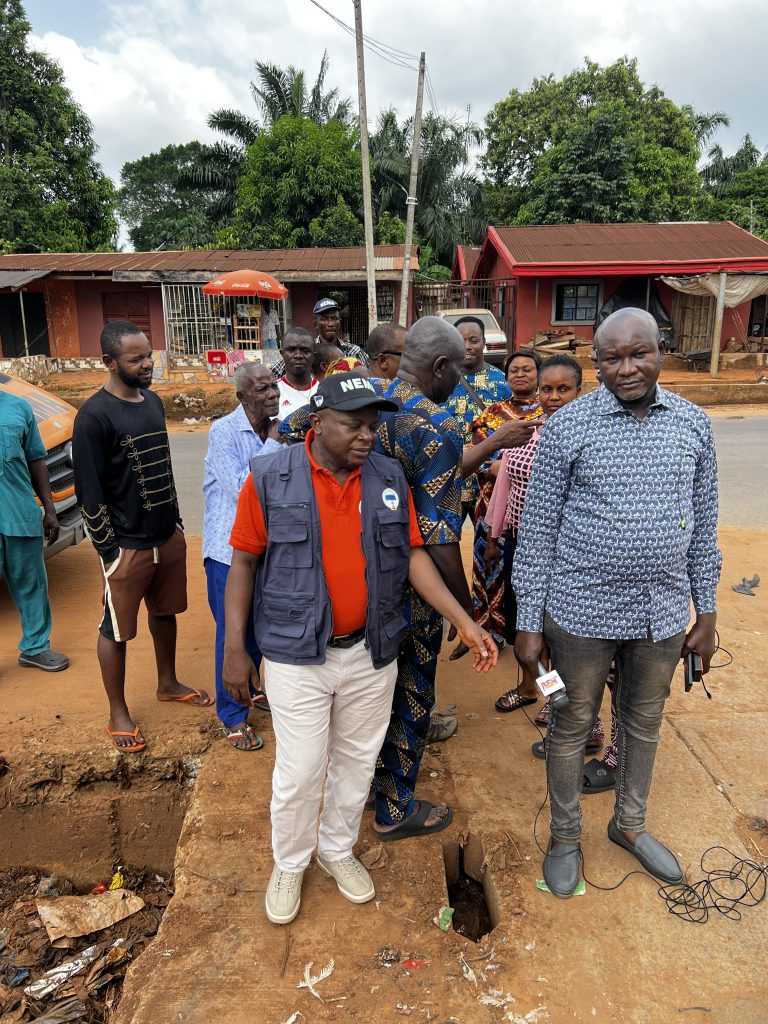
According to him, “We conducted assessments in the affected communities and made recommendations for relief intervention, and Idemili North and South are among the beneficiaries of the relief items from the Federal Government.”
He noted that rescue and response efforts began long before the floods. He said NEMA acted promptly after early warnings.
“Before now, NIMET and NIHSA made predictions, and as the lead agency, we moved into these communities. We carried out advocacy and built the capacity of residents,” he said.
According to him, the sensitization made a significant difference: “That was part of the reason why the flooding this year was not as severe as before. The sensitization actually made an impact.”
He, however, noted that some factors still contributed to the impact of the floods. “Some people are living in low-lying areas, and these were part of the reasons why they were affected,” he explained. He added that others were affected “because they did not adhere to some of the things we taught them. At the onset of the rainy season, it is expected that waterways should be cleared. It is a concerted effort; nobody has the sole responsibility. It is everybody’s job.”
He stressed the importance of continued community engagement. “We also encourage them to discuss disaster risk issues during their community meetings. A proactive approach to flood mitigation is key,” he said.
On collaboration with other agencies, he noted that NEMA enjoys strong partnerships. “We have a very cordial relationship with Anambra SEMA, the Nigerian Red Cross, Civil Defence, and other relevant MDAs,” he said.
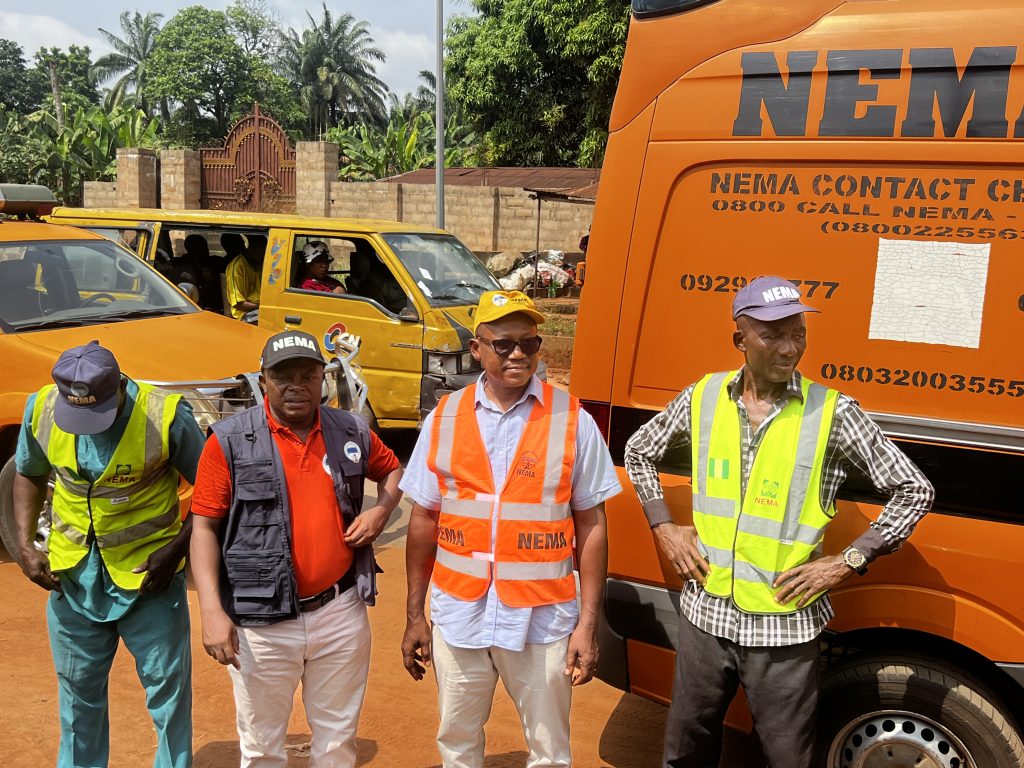
He added that a state committee set up by the government “meets from time to time to deliberate on flood management, and they invite us so we can contribute extensively on what can be done.”
Speaking on the response from residents for the relief items distributed, he said the appreciation was overwhelming. “The day we came for the distribution, the whole arena was filled with joy and gratitude to the Federal Government and NEMA,” he recalled.
Beneficiaries, he said, found it difficult to fully express their appreciation: “These things are not easy. It was so impactful to them that they were almost lost for words.”
He added that NEMA encouraged residents to remain hopeful. “We told them that the relief items are not a total replacement but a support to help them understand that life continues,” he said.
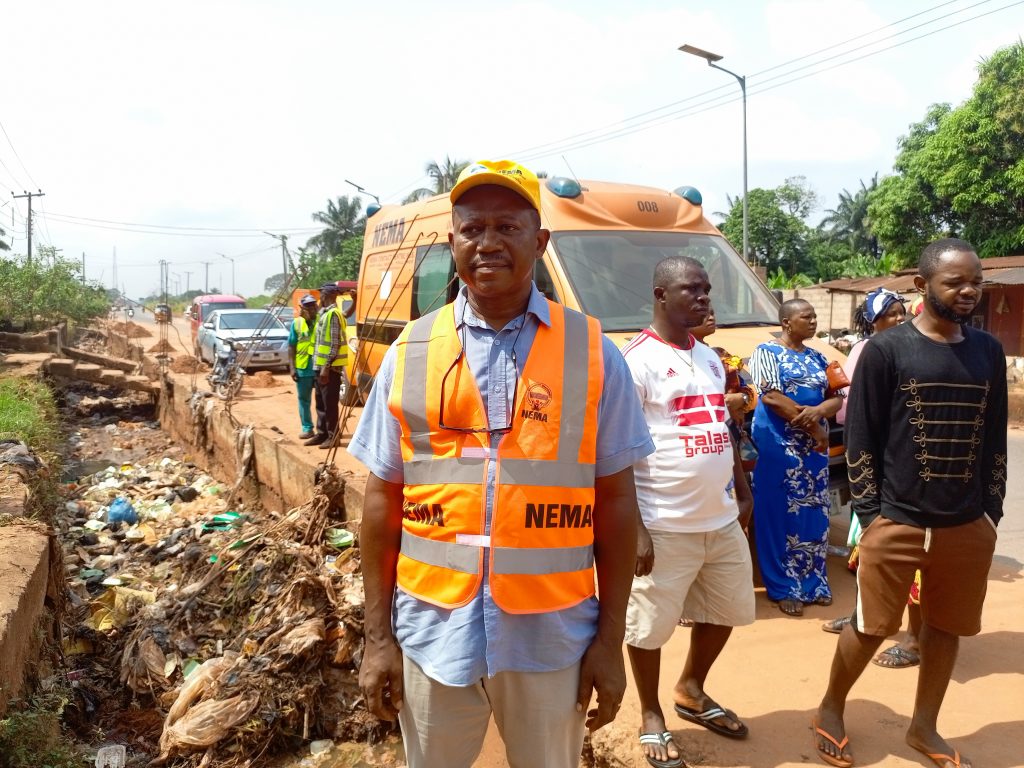
For many in Idemili, the relief materials have provided more than sustenance they have restored hope and a sense of normalcy. Elder Charles, Benjamin, Mrs. Lovett, and Mrs. Chika all echoed similar gratitude, while also highlighting the need for ongoing government support and proactive community measures.
Preparing for the next rainy season
As the dry season sets in, residents and authorities are already preparing for the next rains. The relief materials have done more than provide food and essentials; they have given families hope and a sense of normalcy. But the recurring floods remain a test of preparedness.
With continued government support, active community participation in clearing drains and waterways, and ongoing awareness campaigns, Idemili residents can better face future challenges.
The experience of 2025 has shown that timely interventions save lives and livelihoods, and that a combination of federal support and local action can make a real difference.