Civil Society Organisations, CSOs, have raised concerns over Nigeria’s maternal and child health challenges, saying 40 per cent of children under five are stunted, even as only 39 per cent of children aged 12–23 months are fully vaccinated with basic antigens.
The organisations said the figures highlight the urgent need for the Federal Government to move the country’s health reform agenda beyond policy development and infrastructure upgrades to measurable improvements in access, quality of care and health outcomes, particularly among vulnerable populations.
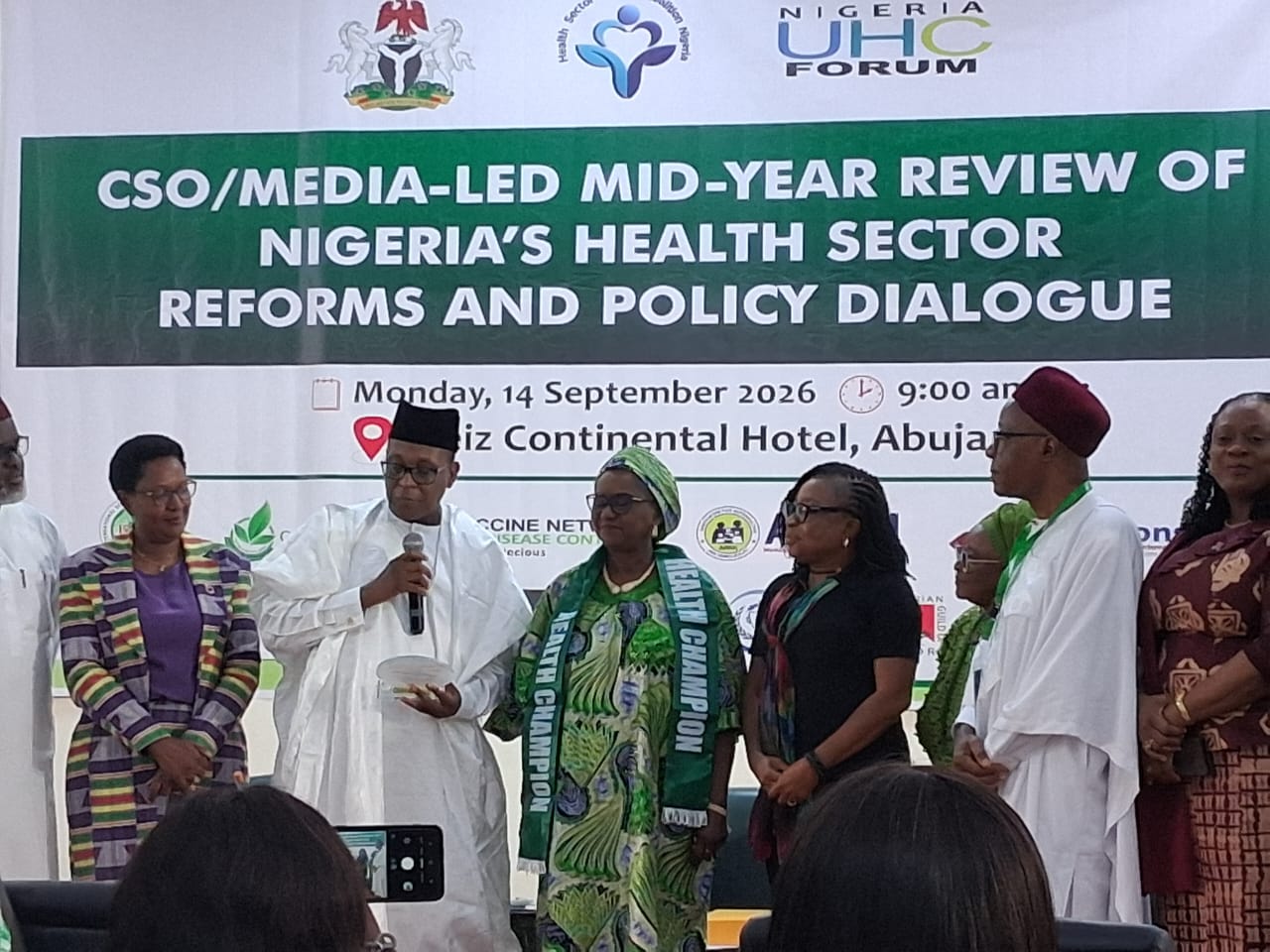
A mid-term position on Nigeria’s health reform programme issued on Monday by the Chairperson of the Health Sector Reform Coalition, Dr. Muhammed M. Lecky, said the direction of government health reforms was right but stressed that the gains must now be institutionalised and translated into tangible results for Nigerians.
Lecky said the Nigeria Demographic and Health Survey 2023–24 showed that while 79 per cent of women received antenatal care from a skilled provider, only 43 per cent had four or more antenatal care visits, while just 50 per cent of live births were assisted by a skilled provider.
He added that 14 per cent of children aged 12–23 months had received no vaccinations, while 40 per cent of children under five were stunted, including 21 per cent who were severely stunted.
The CSOs also highlighted gaps in family planning, noting that modern contraceptive use among currently married women stood at 15 per cent, while 21 per cent had an unmet need for family planning.
According to the coalition, the figures demonstrate that health reforms must deliver better continuity of care for women, newborns, children and adolescents, with stronger integration across health, nutrition, education, social protection, water and sanitation.
The organisations acknowledged progress under the Health Sector Renewal Investment Initiative and the Sector-Wide Approach, particularly in strengthening coordination among federal and state governments, local councils, development partners and communities.
They, however, warned that reform success should not be measured merely by the number of primary healthcare centres renovated, but by the number that are consistently functional and capable of delivering quality services.
The coalition said a functional PHC must have adequate health workers, essential medicines, basic diagnostic services, electricity, water, infection-prevention systems, referral arrangements and accessible mechanisms for community feedback.
On health financing, the CSOs called for predictable and timely release of appropriated funds, stronger accountability for the Basic Health Care Provision Fund, transparent tracking of funds from allocation to facility level and expanded health insurance coverage.
They also urged government to prioritise rural, hard-to-reach, conflict-affected, displaced and low-income populations, arguing that national averages can conceal significant inequalities in access to healthcare.
The coalition further called for the alignment of health policies, programmes, financing mechanisms and institutional arrangements with the National Health Act 2014.
It recommended the development of a National Health Act Alignment and Implementation Matrix to identify gaps and overlaps, clarify institutional responsibilities, assign implementation timelines and provide for periodic public reporting.
The CSOs also cited findings from the Social and Citizen Accountability for Primary Health Care Performance project implemented across all 23 local government areas of Kaduna State.
According to the coalition, an analysis of 862 Ward Development Committee meetings found that only 11.6 per cent discussed the Basic Health Care Provision Fund, highlighting what it described as a major gap in community-level accountability.
The organisations therefore urged government to make BHCPF funding a standing agenda item for Ward Development Committees and provide communities with information on allocations and expenditure.
They also called for stronger health-worker support, improved rural incentives, better working conditions, accessible health-sector data, stronger grievance mechanisms and deeper engagement with civil society and communities.
The coalition said the ultimate test of the reforms should not be the number of policies produced or facilities renovated, but whether women can safely access maternity care, children receive life-saving vaccines, families obtain healthcare without financial hardship and communities have access to functional primary healthcare services.