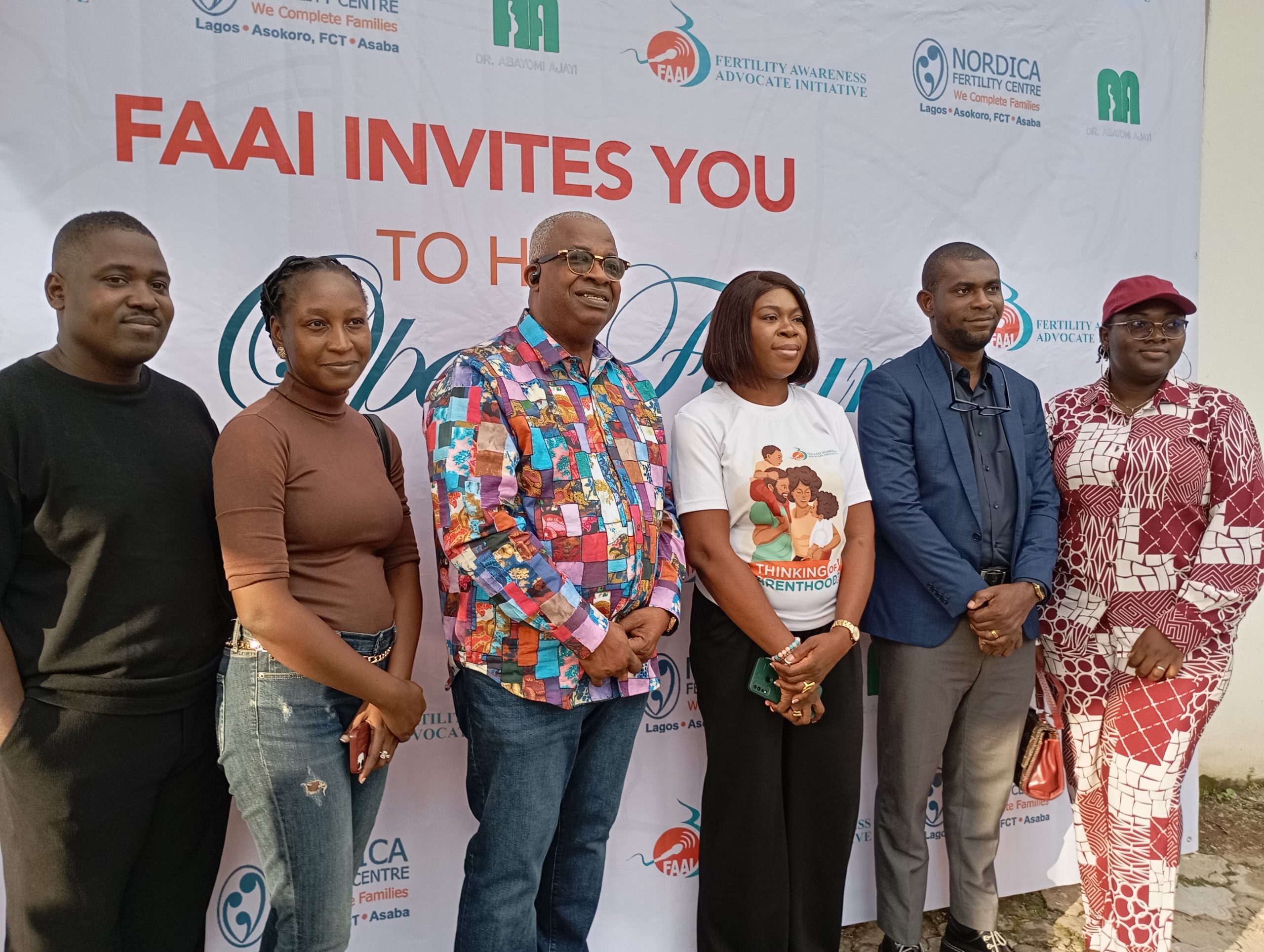
Nordica Fertility Centre, Abuja, in collaboration with the Fertility Awareness Advocacy Initiative, FAAI, has offered free In-vitro Fertilisation, IVF, treatment to two couples as part of efforts to support people struggling with infertility.
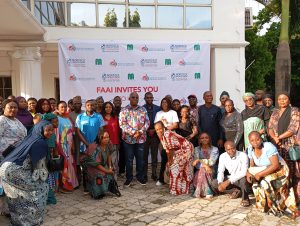
The beneficiaries were selected through a raffle draw on Saturday during an Open Forum on Failed IVF Cycle, organised by FAAI in conjunction with Nordica Fertility Centre in Abuja.
The Forum, with the theme “Why IVF Cycles Fail: Understanding, Coping, and Moving Forward,” focused on the challenges associated with assisted reproduction and ways of helping couples navigate failed IVF cycles.
Speaking after the selection, Vice President of FAAI, Mrs Vivian Patrick, said the initiative was aimed at creating a support system for couples dealing with infertility and providing a platform where people could share their experiences and encourage others.
“The motive behind this is to create a support system because this infertility journey is not something easy. We need shoulders; people need shoulders to cry on, people need to hear other people’s experiences to encourage them.
“It’s not a journey for one person. It’s very, very important. That’s why we decided to come together and create this platform where people who have gone through IVF successfully and those still waiting can create awareness,” Patrick said.
She said the initiative would also encourage more people to speak openly about infertility and assisted reproduction, stressing that some couples were unaware of the options available to them.
According to her, “A lot of people don’t speak. So we decided to create this where we have people who are ready to be advocates, who are ready to create awareness, so that other people know that if it’s not happening naturally, it can happen through assisted reproduction.”
Patrick, however, urged couples experiencing fertility challenges to seek proper medical assessment rather than relying on assumptions about the causes of infertility.
She identified age and lifestyle factors, including smoking, alcohol consumption and unhealthy eating habits, among factors that could affect fertility, while stressing that proper medical tests were necessary to determine the specific cause.
She said the organisation, working with Nordica, provided the free IVF treatment to two couples — one already registered with the fertility centre and another who was not registered with the centre.
Also speaking, the Managing Director and CEO of Nordica Fertility Centre, Dr. Abayomi Ajayi, said the Forum was designed to give patients an opportunity to ask questions and understand IVF outside the pressure of a conventional consulting room, where important information could easily be missed.
“It is only when you know how it works that you can know why it has failed,” Ajayi said, adding that the forum allowed patients to hear questions raised by others that they might not have had the opportunity to ask during individual consultations.
On IVF success rates, Ajayi cautioned against making broad comparisons between fertility centres without considering the age profile of patients treated.
“Success is dependent on age. So if a clinic is treating a 34-year-old, another one is treating a 40-year-old and you are asking success rate, it’s a difficult thing. What we can ask is the success rate by age range,” he said.
He added that Nordica’s results by age range were meeting international standards, noting that the centre undergoes external audits and maintains ISO certification as part of measures to assure patients of the quality of its services.
One of the beneficiaries, Mrs Yewande Adebayo, described her selection as a source of immense joy and expressed appreciation to the organisers for the opportunity.
“I feel so happy, so blessed and so lucky. That’s how I feel. Right now, I can’t contain my joy,” she said.
Adebayo, who said she had not undergone IVF before although it had been recommended, expressed hope that the treatment would result in the birth of her child.
“My hope? I only have one hope. At the end of the nine months and the processing, I hope and believe I will have my own child,” she said.
Another beneficiary, Mrs Benita Adaeze Ogwe, who was selected alongside her husband, Mr Oge Ogwe, said the free treatment would enable them to attempt a second IVF cycle after their first attempt failed.
“I feel grateful because this would be our second cycle. We had one that was a failed cycle, and so being given the opportunity to have a second one is just joyful. I’m just thankful to Nordica and to God. I’m just grateful,” she said.
Ogwe said the fertility journey had been challenging but that the support she received from her husband had helped them cope with the difficulties.
“It’s been challenging, but I think having my husband, both of us on the journey, has been comforting and supporting. We support and comfort each other, so I know that I’m not doing it alone and we haven’t done it alone,” she said.
She expressed hope that the second cycle would be successful, adding that “Like every couple, the hope would be that this one would be a positive one and a fruitful one. I hope and I’m praying that this would be the last one by the grace of God.”
Her husband, Oge, said the free treatment was particularly significant from a financial standpoint, noting that the cost of IVF could be a major burden for couples undergoing fertility treatment.
“I would say it’s very relieving, especially from a financial perspective. As much as money is not the most important thing in this journey, it is an important thing, and being able to go for another cycle at no cost is a blessing that most people will never understand,” he said.