The Office of the National Security Adviser has introduced a new security framework to strengthen the protection of Nigeria’s oil and gas infrastructure following the recovery of more than 2.4 million barrels of stolen crude oil.
The framework, known as the Standard Operating Procedure for the Nigerian Oil and Gas Industry-Wide Security Architecture, is designed to improve coordination among security agencies, private surveillance contractors and other stakeholders in the petroleum sector.
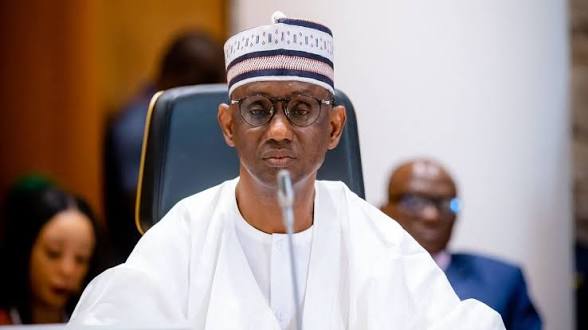
The National Security Adviser, Nuhu Ribadu, unveiled the document at the ONSA headquarters in Abuja on Monday, saying it would establish common operational rules, clarify responsibilities and improve accountability in the protection of critical petroleum assets.
According to the Nigerian National Petroleum Company Limited, the industry-wide security collaboration has also led to the deactivation of more than 10,000 illegal refineries, the removal of nearly 7,000 illegal pipeline connections and the arrest of over 3,700 suspects.
Ribadu said the framework would consolidate existing gains and address persistent challenges, including crude oil theft, pipeline vandalism, illegal refining and overlapping security operations.
He stressed that its effectiveness would depend on proper implementation, urging participating institutions to ensure that their personnel understood and complied with the new procedures.
Speaking on behalf of the NNPC Group Chief Executive Officer, Bashir Ojulari, the company’s representative, Dahiru Gwarzo, said the initiative was crucial to protecting national revenue, sustaining production, attracting investment and safeguarding host communities.
Gwarzo recalled that Nigeria’s crude oil production fell to about 950,000 barrels per day in August 2022, when major pipelines were unavailable for extended periods and crude oil receipts at terminals declined significantly.
He said the experience demonstrated the need for stronger collaboration among operators, regulators and security agencies, adding that no single institution could independently secure the country’s oil and gas infrastructure.
Also speaking, the Commandant-General of the Nigeria Security and Civil Defence Corps, Abubakar Audi, said the new procedures would strengthen accountability and regulate the conduct of personnel deployed to protect petroleum facilities.
Audi disclosed that the corps had sanctioned about 100 personnel for misconduct, adding that the framework would further guide their operations.
Meanwhile, the Chief Executive Officer of the Nigerian Financial Intelligence Unit, Hafsat Bakari, called for effective monitoring and a feedback mechanism to assess the framework’s implementation and identify gaps.
The new measures are expected to standardise security operations, including surveillance, arrests, detention procedures and the evacuation of recovered petroleum products.
However, the framework’s long-term effectiveness will depend on compliance by participating institutions, sustained cooperation and effective oversight.