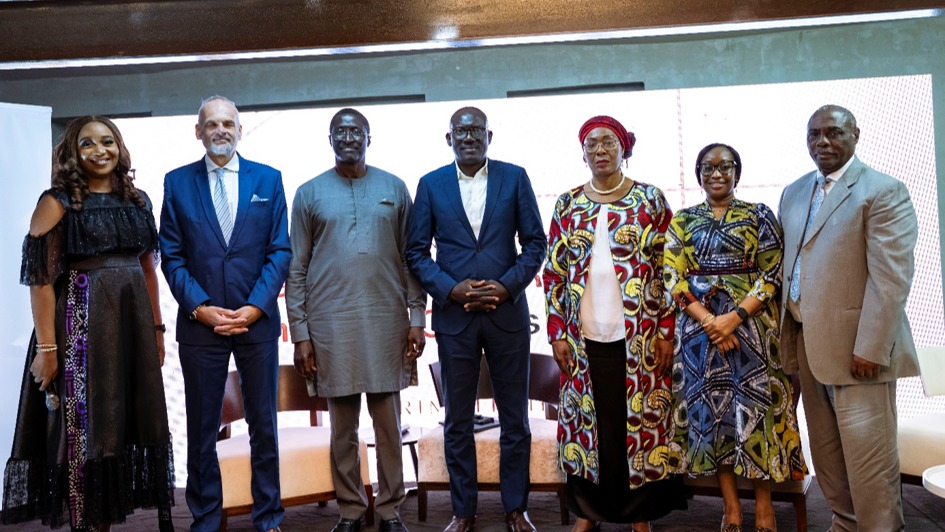
Industry experts, architects, engineers and urban planners have called for bold leadership, integrated design and investment in resilient infrastructure to address the challenges of rapid urbanisation and build sustainable cities.
The call was made at PrimeTech Day 2026, organised by PrimeTech Design and Engineering, the design and engineering subsidiary of Julius Berger Nigeria PLC, under the theme, “Designing for the Future: Leadership, Resilience and the Cities We Need.”
The one-day event brought together stakeholders across Nigeria’s built environment sector to examine how innovation, technology and collaboration can shape inclusive and adaptable urban centres.
Speaking at the event, PrimeTech General Manager, Engr. Christian Moessmer, emphasised the importance of integrating architecture and engineering from the earliest stages of project development.
He said early collaboration among professionals would minimise costly adjustments during construction and ensure better project outcomes.
“We are the first link in the chain that runs from design through construction to operation,” Moessmer said, describing the company’s integrated approach as a one-stop solution that provides clients with a unified vision.
He stressed that although design accounts for a relatively small portion of a project’s lifecycle, it significantly influences every subsequent stage.
Moessmer also called for resilience to become a fundamental consideration in urban development, rather than an additional cost.
“We must treat resilience as an investment, not an extra. It protects assets, safeguards communities and ultimately strengthens our cities,” he said.
Earlier, PrimeTech Lagos Manager, Joseph Abba, said good design should be assessed beyond the appearance of buildings and infrastructure, noting that functionality, operational costs and long-term value were equally important.
He identified Lagos’ estimated population of more than 22 million as a major factor increasing pressure on housing, transportation, healthcare, education, energy and water infrastructure.
According to him, flooding, extreme heat, traffic congestion and infrastructure deficits make resilient urban planning imperative.
Abba challenged stakeholders to consider whether present infrastructure investments would remain functional and valuable decades into the future.
He also highlighted PrimeTech’s growth since 2012, saying the company had delivered engineering solutions to public and private sector clients across Nigeria.
He said the firm currently had more than 67 engineers working from its Abuja headquarters and Lagos office, with expertise covering structural, mechanical, electrical, piping and infrastructure engineering.
Other contributors to the discussions included keynote speaker, Brig. Gen. Tunde Reis (rtd); Dr. Folayinka Dania of the Lagos State Resilience Office; Arc. Dr. Ramatu Aliyu, Partner at PrimeTech Architecture LLP; and Engr. Jafaru Damulak, Chairman of the PrimeTech Board.
They agreed that the rapid pace of urbanisation across Lagos and other African cities required a new approach to urban planning and infrastructure development.
The discussions highlighted the need for cities capable of withstanding environmental, economic and social shocks while responding to the changing needs of residents.
Participants also identified effective leadership as essential to driving sustainable urban transformation through sound policies, strategic partnerships and appropriate investment frameworks.
They further examined how smart technologies, data-driven planning and innovative construction methods could improve transportation, housing, healthcare and public services.
The stakeholders called for increased investment in climate-resilient infrastructure, accessible public spaces and inclusive social systems to promote equity and community well-being.
They maintained that resilience must become a central principle of urban planning, enabling cities to anticipate future challenges while meeting the needs of present generations.
The event ended with a commitment to strengthen collaboration, accelerate innovation and build leadership capacity towards developing sustainable and resilient cities across Nigeria and beyond.