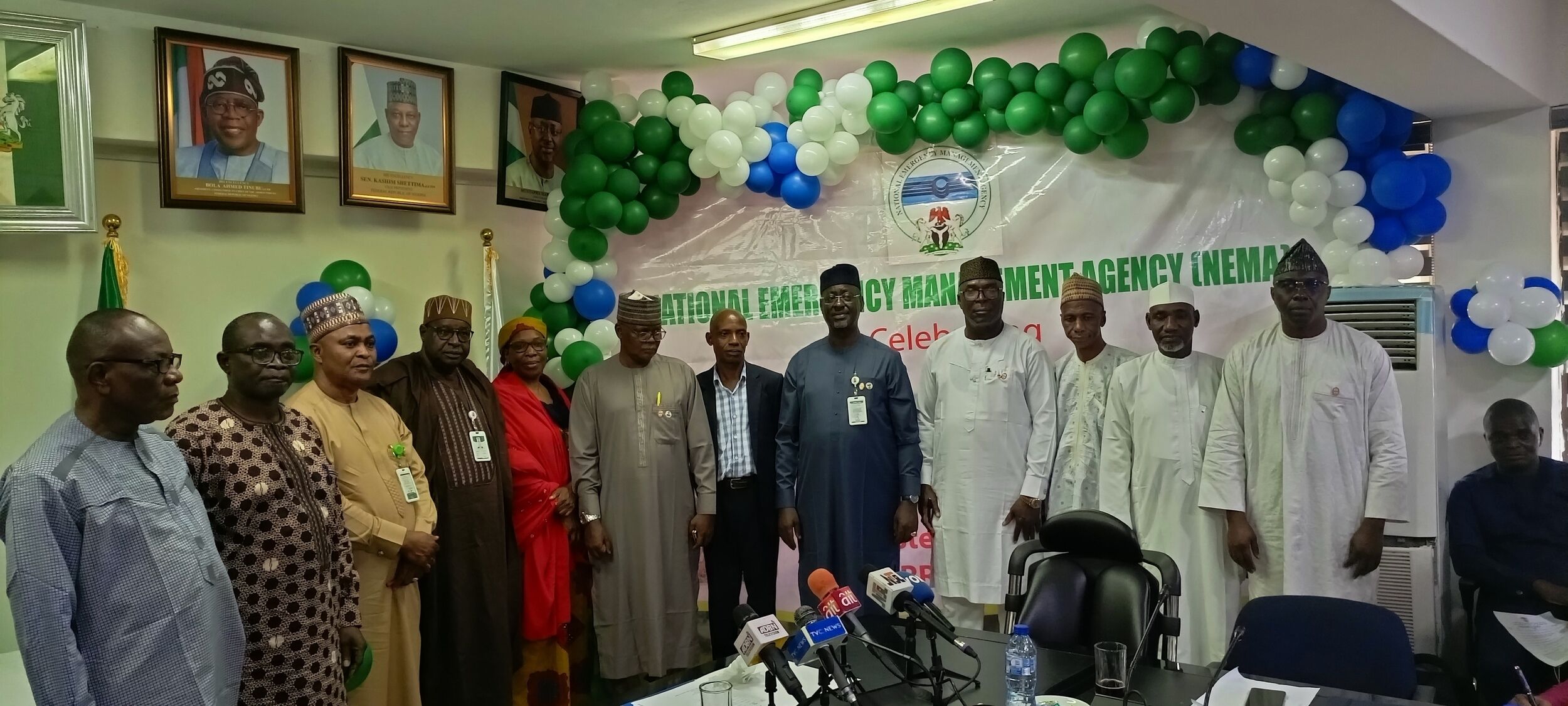
The National Emergency Management Agency,NEMA, has said inequality exposes vulnerable populations to disaster risk.
Director General of NEMA, Mustapha Ahmed, who was speaking during the 2023 International Day for Disaster Risk Reduction, said “inequality and disaster vulnerability exist side by side due to unequal access to services, income inequality, and unequal opportunities.
Ahmed, therefore, called for all actors to come together to fight inequality to achieve inclusiveness in disaster resilience and reduce global inequalities.
He stressed the need to pay attention to people disproportionately affected by disasters, particularly the poor, and integrate gender, age, disability and cultural perspectives in all policies and practices while promoting women and youth leadership in democratic processes.
He stated, “This year’s theme “Fighting Inequality for the Resilient Future” aligns with the inclusiveness position of the UN, to ensure that “no one is left behind”. The theme buttresses the need for all actors to come together to fight inequality in order to achieve inclusiveness. This becomes necessary as inequality has been identified as a major index capable of retarding disaster resilience.
“The 2023 International DRR day celebration is looking at the mutual relationship between disasters and inequality. Inequality and disaster vulnerability exist side by side. Unequal access to services, income inequality, unequal opportunities”
Ahmed noted that inequalities such as unequal access to services, income disparities, and discrimination expose specific population segments, including women, children, the elderly, and people living with disabilities, to increased disaster risks.
“Exclusive care is granted to women, children, the elderly and persons living with disabilities. The Gender Unit, the Vulnerable Group Care Unit and the Food and Nutrition Unit were all created and mandated with the responsibilities of ensuring that equality and addressing the challenges faced by vulnerable groups in disaster risk management programs is safeguarded.
“Under our IDP camp management policies while supporting state governments, NEMA ensures that persons with special needs including lactating women, children, the elderly and persons with disability are granted the special care they deserve.
He noted “We have strived hard to take disaster risk reduction to the grassroots through constant advocacy for State Governments to set up functional SEMAS and LEMCS with adequate funding and trained manpower to save lives and safeguard livelihoods in times of disaster.”
“To build a safe, well informed and resilient nation is a collective responsibility; we must all play our vital roles to make our communities safe, secured, liveable and resilient to disasters.
According to him “The Sendai Framework for DRR calls for more dedicated action on tackling underlying disaster risk drivers such as poverty and inequality. Disaster risk reduction requires a society wide engagement and partnership.
“It also requires empowerment and inclusive, accessible and non-discriminatory participation, paying attention to people disproportionately affected by disasters, especially the poor. It calls for integration of gender, age, disability and cultural perspectives in all policies and practices while promoting women and youth leadership in our democratic processes.”
“The National Emergency Management Agency (NEMA) over the years has introduced policies that seek to reduce inequality both in its National Disaster Response Plan (NDRP), damage and loss assessment and relief intervention activities, “he said
Earlier, NEMA’s Director of Disaster Risk Reduction, Mr Daniel Obot, who observed that NEMA has achieved a lot over the past 10 years of DRR in Nigeria, noted that this year’s celebration marks the beginning of another decade for realigning and strengthening DRR in Nigeria in partnership with our esteemed stakeholders.
“Disaster risk reduction thrives on collaboration and synergy within the ‘philosophy of leaving no one behind.’ DRR is an inclusive approach that facilitates the realisation of the vision propounded by great DRR thinkers for disaster risk management to grow in bounds and leaps globally.