Public-health surveillance has been heightened across the Federal Capital Territory, as authorities move to strengthen defences against the Ebola Virus Disease following its renewed outbreak in parts of the Democratic Republic of Congo.
A recent public advisory from the Health Services and Environment Secretariat of the FCTA, urged residents to adhere strictly to preventive measures even though no case has been detected in Abuja.
The resurgence of Ebola in the DRC has prompted increased caution across several African countries, with health authorities monitoring potential cross-border risks due to regional travel patterns.
While the outbreak remains confined to Central Africa, the FCT Administration noted that the territory’s status as Nigeria’s administrative and diplomatic hub makes early preparedness essential.
A major component of the current alert is the intensification of surveillance at entry and exit points, particularly around the Nnamdi Azikiwe International Airport, where thousands of domestic and international passengers transit daily.
The advisory signed by the Mandate Secretary, FCTA Health Services and Environment Secretariat, Dr. Adedolapo Fasawe, said the volume of travel into the city places Abuja in a sensitive position, necessitating strict monitoring of inbound travellers, transport corridors and other high-traffic areas.
The communique explained that the city’s connectivity through air travel, interstate road networks and diplomatic movements increases the need for continuous health screening, rapid reporting and strict infection-prevention protocols.
Fasawe explained that Ebola Virus Disease is a severe and often fatal viral illness transmitted through direct contact with blood or bodily fluids of infected persons, contaminated objects or infected animals such as bats and primates.
The secretariat clarified that under normal conditions the disease is not airborne, distinguishing it from respiratory infections such as influenza and COVID-19.
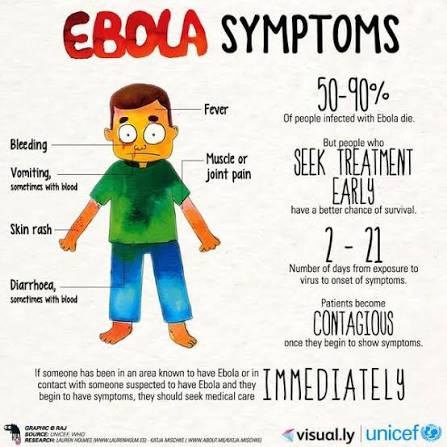
Residents have been advised to watch for symptoms including sudden fever, severe weakness, headaches, muscle pain and sore throat. Advanced symptoms may include vomiting, diarrhoea, stomach pain, rash, bleeding and difficulty breathing.
Individuals with recent travel history to affected regions or contact with suspected cases are also urged to seek immediate medical attention, avoid self-medication and refrain from moving between multiple hospitals.
According to the advisory, the FCT Public Health Department has intensified event-based surveillance across the six Area Councils, strengthened risk-communication activities, and reinforced infection-prevention measures in health facilities.
Coordination is being sustained through the Public Health Emergency Operations Centre, which remains on standby to activate full response mechanisms if necessary.
Healthcare institutions across the territory have been directed to reinforce triage procedures, isolate suspected cases promptly, maintain adequate supplies of personal protective equipment and retrain staff on updated infection-control protocols.
The secretariat emphasised that early detection, proper hygiene and timely reporting remain the strongest safeguards against viral spread.
The FCTA also urged residents to remain calm, avoid panic-driven responses and refrain from sharing unverified information.
It advised the public to rely strictly on updates from the Secretariat, the Nigeria Centre for Disease Control and Prevention, NCDC-P, the Federal Ministry of Health and the World Health Organization, noting that coordinated communication remains essential in preventing misinformation.