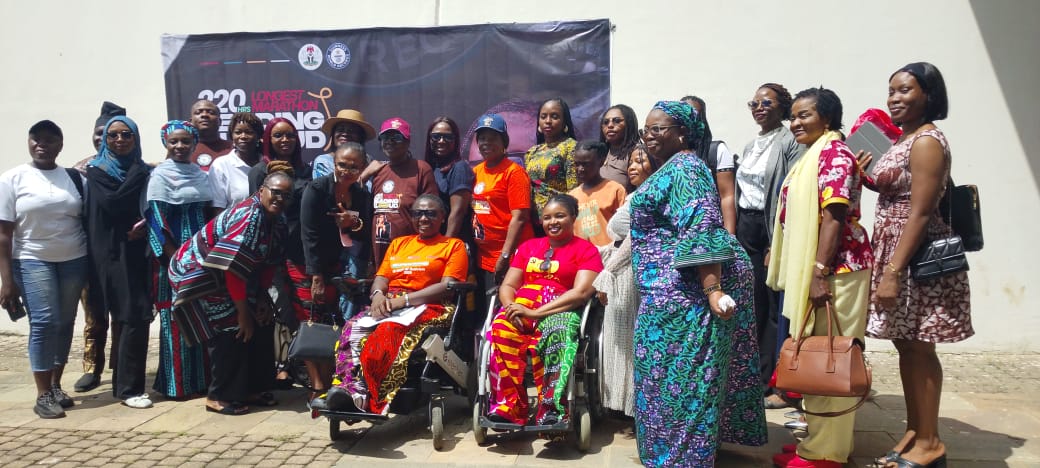
A 220-hour Guinness World Record marathon reading has been launched in Abuja to raise awareness of sexual and gender-based violence laws and the rights of survivors in Nigeria and 14 other African countries.

The initiative, led by Olubunmi Uluba, was unveiled on Friday at a press conference at the Maryam Babangida National Centre for Women Development, Abuja.
Organisers said the marathon was designed to use the global attention generated by the record attempt to promote public awareness of laws protecting women, girls and other vulnerable persons from sexual and gender-based violence.
Uluba said the initiative was more than an attempt to set a Guinness World Record, describing it as an advocacy campaign aimed at bringing SGBV legislation and survivors’ rights to a wider international audience.
She said the campaign would also encourage citizens, institutions and policymakers to take greater responsibility for preventing violence and improving access to justice and support for survivors.



Speaking at the launch, Pastor Debra Life Alegbemi said the initiative was designed to transform the visibility of the record attempt into sustained public education on SGBV laws and legal protections.
The UN Women Country Representative, Beatrice Eyong, commended the initiative, saying sustained public education was essential to changing attitudes, preventing violence against women and girls and ensuring that laws translated into meaningful protection for survivors.
The Senior Special Assistant to the President on Community Engagement, North Central, Dr Abiodun Essiet, stressed the importance of community participation in the fight against SGBV.
Essiet said government policies and laws could only achieve their intended impact when citizens understood them and communities actively participated in preventing violence.
The organisers said the marathon would highlight SGBV legislation in Nigeria and other African countries, including Rwanda, Tanzania and Kenya.
They said the campaign would also advocate stronger implementation and enforcement of existing laws while promoting collective responsibility among governments, communities, institutions and development partners.
The initiative is expected to draw national and international attention to the challenge of sexual and gender-based violence and promote greater legal awareness and action towards building safer communities.