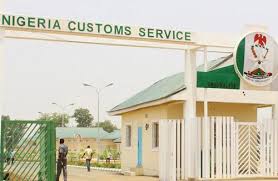
The Nigerian Customs Service, Oyo/Osun Area Command has urged Nigerian exporters to prioritise value addition, diversification of export products, and adherence to trade regulations as the nation expands its engagement under the African Continental Free Trade Area, AfCFTA, framework.
Comptroller of Oyo/Osun Area Command, Compt. Gambo Aliyu, made the call while speaking at the Chambers of Commerce, during a lecture titled “Products that can be Imported or Exported from Nigeria: AfCFTA, Rules of Origin and the Drive for Value Addition.”
Aliyu described Nigeria as a major player in global trade, endowed with abundant natural resources and a growing industrial base that should be leveraged to enhance competitiveness across markets.
According to him, the country’s import and export trends reflect its broader economic direction, with the Nigeria Customs Service, NCS, serving as a key facilitator of transparency, integrity, and efficiency in trade operations.
Highlighting reforms within the Service, Aliyu noted that under the leadership of the Comptroller-General of Customs, Adewale Adeniyi, the NCS is undergoing a comprehensive modernisation and automation programme designed to streamline business processes and strengthen Nigeria’s position in continental and global trade.
On Nigeria’s export profile, the Customs boss explained that while crude oil and natural gas continue to lead, non-oil exports such as cocoa, sesame seeds, cashew nuts, ginger, palm oil, rubber, and hibiscus flowers are increasingly contributing to national earnings.
He also identified solid minerals, processed foods, textiles, and leather goods as potential drivers of industrial expansion and export diversification.
Aliyu warned exporters against engaging in the export of prohibited items, citing Schedule 6 of the Common External Tariff, CET, which restricts commodities like maize, raw hides and skins, unprocessed rubber latex, rough timber, scrap metals, cultural artefacts, and endangered species.
He described the AfCFTA as a game-changing initiative aimed at building a unified African market of more than 1.3 billion people with a collective GDP surpassing $3.4 trillion.
However, he emphasised that only goods that comply with the Rules of Origin, those wholly produced or significantly transformed in Nigeria, would qualify for tariff-free trade across the continent.
Reaffirming the Service’s support for the federal government’s economic objectives, Comptroller Aliyu restated the NCS’s commitment to promoting export growth, industrial development, and value creation.