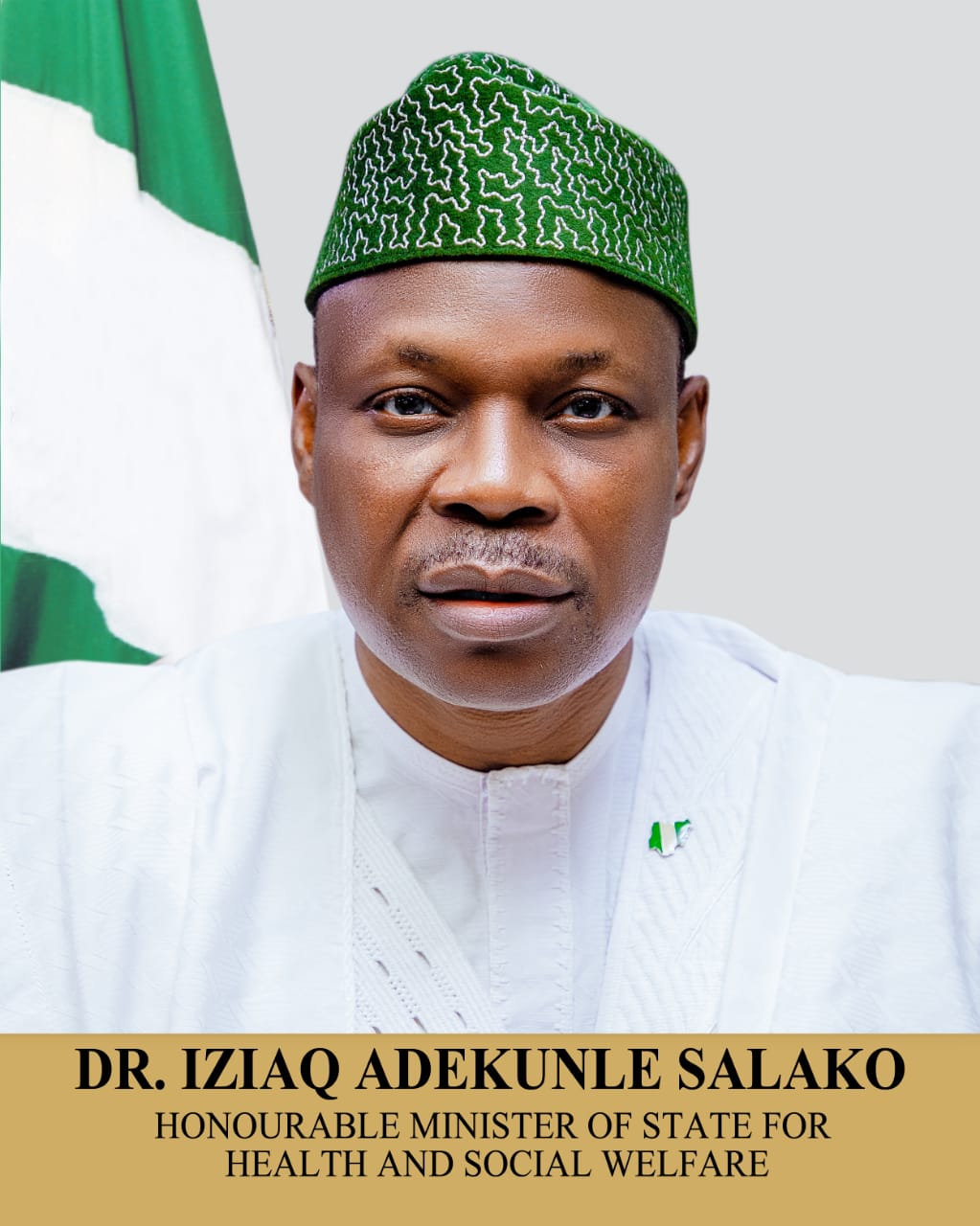
The Federal Government has marked the 2026 World Hearing Day with the expansion of its National Eye Health Programme to include ear and other sensory health services.
The commemoration, held on March 3, 2026, in Abuja, was organised by the Federal Ministry of Health and Social Welfare as part of activities to join the global observance led by the World Health Organisation (WHO).
Speaking on the occasion, the Minister of State for Health and Social Welfare, Dr. Iziaq Adekunle Salako, said the move aligns with this year’s theme, “From Communities to Classrooms: Hearing Care for Every Child.”
He explained that the expanded programme will now operate as the National Eye, Ear and Sensory Health Functions Programme, strengthening national coordination on hearing and other sensory health issues.
Salako noted that hearing is critical to communication, learning and social integration, especially for children. According to him, preventable causes such as untreated ear infections, excessive noise exposure, maternal infections during pregnancy and limited early screening services continue to contribute to hearing impairment among Nigerian children.
He said when left untreated, hearing loss could result in delayed speech development, poor academic performance and long-term socio-economic challenges.
“Up to 60 per cent of childhood hearing loss is preventable through timely interventions, including vaccination, early detection and proper ear care,” the minister stated.
He disclosed that Eye Health Desk Officers across the 36 states and the Federal Capital Territory have had their responsibilities expanded to cover hearing health. The ministry is also developing governance structures, policies and national guidelines to fully integrate hearing and sensory health into the country’s health system.
Salako emphasised that effective hearing care begins at the community level, urging parents, caregivers and primary healthcare workers to watch for early warning signs such as delayed response to sound, frequent ear pain and speech delays.
He added that the government plans to expand newborn hearing screening, introduce routine hearing checks in primary schools and train teachers to identify early signs of hearing challenges. He also stressed the need to promote inclusive, hearing-friendly classrooms.
The minister called on parents, educators, healthcare providers, development partners, civil society organisations and the media to collaborate in protecting children’s hearing.
“Simple actions such as protecting children from excessive noise, ensuring timely vaccinations and promoting regular hearing checks can prevent the majority of childhood hearing loss,” he said.
He reaffirmed the Federal Government’s commitment to ensuring that every Nigerian child has access to quality hearing care, both in communities and in classrooms.