The Universal Basic Education Commission, UBEC, has entered into strategic partnership with the Sultan Foundation for Peace and Development to mobilise traditional and religious institutions in identifying out-of-school children, facilitating their enrolment and strengthening community participation in school attendance, retention and completion.
The move, which is part of efforts to expand access to quality learning and tackle the challenge of out-of-school children across Nigeria, was formalised through the signing of a Memorandum of Understanding, MoU.
A statement from the Commission said the partnership reinforces the Federal Government’s commitment to inclusive education and human capital development, while extending the reach of existing interventions through community leadership and grassroots mobilisation.
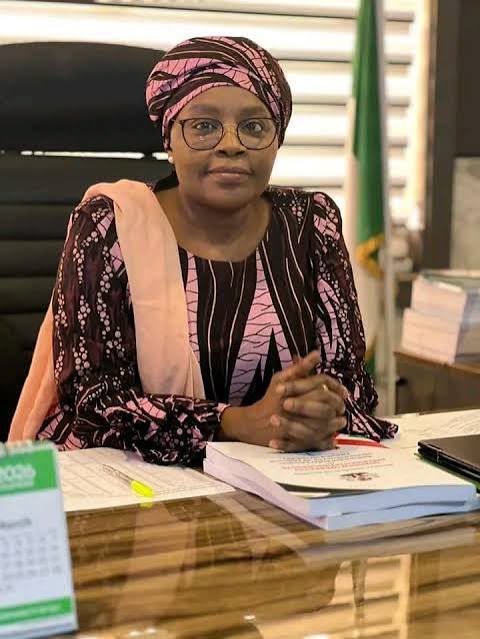
Speaking during the signing ceremony, the Executive Secretary of UBEC, Dr. Aisha Garba represented by the Deputy Executive Secretary, Technical, Rasaq Akinyemi, said the agreement reflected the importance President Bola Tinubu attaches to education as a foundation for national development and human capital advancement.
Garba noted that the Renewed Hope Agenda recognises that Nigeria’s future depends on deliberate investment in the education, skills and wellbeing of its children and young people, adding that UBEC’s interventions were designed to translate this national vision into practical improvements across the basic education system.
She acknowledged the policy direction and leadership of the Minister of Education, Dr Tunji Alausa, and the Minister of State for Education, Prof. Suwaiba Ahmad, noting that their commitment to strengthening the education sector, improving institutional coordination and expanding inclusive access to learning continues to guide the Commission’s programmes and interventions.
The UBEC boss said the Commission remains aligned with the Ministry’s strategic priorities, particularly in expanding access to schooling, improving learning environments, strengthening teacher capacity and promoting effective school management.
While highlighting the progress recorded in basic education, Garba disclosed that UBEC, working with the Federal Ministry of Education and State Universal Basic Education Boards, SUBEBs, has facilitated the construction of over 4,900 classrooms, renovation of existing school facilities and provision of water, sanitation and hygiene facilities nationwide.
According to her, by the end of 2025, these infrastructure interventions had directly benefited more than 2.3 million learners.
She further stated that the Commission had advanced community-driven school improvement and teacher professional development initiatives aimed at strengthening school management and equipping teachers and school administrators with the capacity to improve teaching and learning outcomes.
She said these interventions demonstrate the importance of sustained government investment and effective institutional coordination in addressing longstanding challenges in basic education.
She stressed, however, that consolidating the progress recorded requires stronger community ownership and the active participation of all stakeholders.
On the significance of the MoU, the Executive Secretary explained that the Sultan Foundation for Peace and Development would provide an important platform for connecting government education policies with traditional leadership and community action, particularly in underserved areas where poverty, cultural barriers and other social challenges continue to prevent children from accessing and completing school.
Under the agreement, UBEC and the Foundation will establish national, state and local coordinating committees to drive education advocacy and grassroots mobilisation, with traditional and religious leaders playing central roles in encouraging families to prioritise children’s education.
The partnership will also facilitate the development and dissemination of advocacy materials in Hausa, Fulfulde and Yoruba; identification of out-of-school children through household-level mobilisation and their enrolment in nearby schools; and stronger community participation in monitoring attendance, retention and completion.
In addition, the agreement provides for accountability mechanisms that will recognise communities, schools and traditional leaders demonstrating measurable progress in expanding access to basic education.
Garba emphasised that traditional and religious leaders were indispensable to the success of the initiative, given their influence in shaping community values, guiding family decisions and mobilising grassroots support.
She particularly highlighted their role in promoting girls’ education and addressing social and cultural barriers that prevent children from benefiting fully from educational opportunities.
She maintained that the success of the partnership would be measured by increased school enrolment, improved attendance and retention, stronger learning outcomes and a sustained reduction in the number of out-of-school children.
On his part, the Deputy Governor of Kebbi State, Senator Umar Abubakar Tafida, who represented Governor Nasir Idris, commended the Sultan Foundation for Peace and Development for its contributions to health and social development, particularly interventions supported by development partners, including the Bill and Melinda Gates Foundation.
He said Kebbi State appreciated the Foundation’s efforts to improve the welfare and educational opportunities of vulnerable children, describing its commitment to supporting disadvantaged children as a reflection of the values of Islam and humanity.
He also conveyed the Governor’s goodwill to UBEC, the Sultan Foundation and the Nasara Foundation.
While reaffirming UBEC’s commitment to sustaining the Federal Government’s education reforms, Garba assured that the Commission would continue to build on the achievements recorded, deepen strategic partnerships and strengthen the implementation of basic education programmes in collaboration with State Governments and other stakeholders.
She reiterated that UBEC would remain steadfast in advancing the education vision of President Bola Tinubu under the Renewed Hope Agenda, guided by the policy leadership of the Minister of Education, to ensure continuity in ongoing initiatives, consolidate existing gains and deliver lasting improvements in access to quality basic education for every Nigerian child.