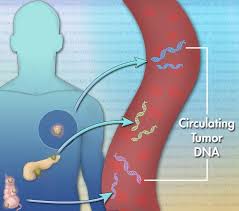
Pushing into a new chapter of technologically advanced biological sensors, scientists from the University of California San Diego and their colleagues in Australia have engineered bacteria that can detect the presence of tumor DNA in a live organism.
Their innovation, which detected cancer in the colons of mice, could pave the way to new biosensors capable of identifying various infections, cancers and other diseases.
The advancement is described Aug. 11, 2023, in the journal Science. Bacteria previously have been designed to carry out various diagnostic and therapeutic functions, but lacked the ability to identify specific DNA sequences and mutations outside of cells.
The new “Cellular Assay for Targeted CRISPR-discriminated Horizontal gene transfer,” or “CATCH,” was designed to do just that.
“As we started on this project four years ago, we weren’t even sure if using bacteria as a sensor for mammalian DNA was even possible,” said scientific team leader Jeff Hasty, a professor in the UC San Diego School of Biological Sciences and Jacobs School of Engineering.
“The detection of gastrointestinal cancers and precancerous lesions is an attractive clinical opportunity to apply this invention.”
Tumors are known to disperse, or shed, their DNA into the environments surrounding them. Many technologies can analyze purified DNA in the lab, but these cannot detect DNA where it is released. Under the CATCH strategy, the researchers engineered bacteria using CRISPR technology to test free-floating DNA sequences on a genomic level and compare those samples with predetermined cancer sequences.
“Many bacteria can take up DNA from their environment, a skill known as natural competence,” said Rob Cooper, the study’s co-first author and a scientist at UC San Diego’s Synthetic Biology Institute. Hasty, Cooper and Australian doctor Dan Worthley collaborated on the idea of natural competence in relation to bacteria and colorectal cancer, the third-leading cause of cancer-related death in the United States.
They began to formulate the possibility of engineering bacteria, which are already prevalent in the colon, as new biosensors that could be deployed inside the gut to detect DNA released from colorectal tumors.