The Minister of Humanitarian Affairs and Poverty Alleviation, Dr. Betta Edu, has said the ministry is determined to repatriate and reintegrate refugees and migrants by the year 2024.
Edu, who spoke in Maiduguri, during a two-day working visit to Borno State, said the aim is to address a pressing humanitarian challenge.
The minister reiterated President Bola Tinubu’s steadfast commitment to reducing the humanitarian crisis and eliminating poverty, in line with SDGs 1 and 2.
“It is important that the Ministry renew its partnership with the State and leverage on their successes and experience to find better ways of doing things.
“The Ministry will not only aim at eliminating poverty, but it shall also provide safety nets to prevent Nigerians from going under the poverty line,” she said.
Edu said her ministry is committed to returning refugees and migrants to reintegrate them back into the communities.
“We recognize the critical role of this initiative, and we are committed to working hand in hand with relevant stakeholders, including Borno State, to achieve our goal of repatriating and reintegrating refugees by 2024,” Edu said.
She stressed Federal Government’s commitment not to leave any stone unturned to ensure the safe and dignified return of refugees to their communities.
The minister outlined a comprehensive strategy, including the expansion of the National Social Register and the establishment of humanitarian hubs in all Local Government Areas, designed to facilitate refugee repatriation and reintegration.
She further noted key actions the ministry intends to undertake, stating, “The National Social Register shall be cleaned up and expanded to accommodate more people to meet our targets. We will establish humanitarian hubs in all Local Government Areas, deliberately targeting the grassroots and rural poor, who are more numerous in communities and villages.
“we will create job opportunities for youth on both short and long-term bases, providing micro-credits, vocational training, and more.”
Edu also highlighted the Ministry’s dedication to creating job opportunities for the youth, providing micro-credits, vocational training, and more, as part of the broader poverty alleviation effort.
“By empowering our youth and vulnerable populations, we are taking significant steps towards a more prosperous and stable Nigeria,” she emphasized,” she said.
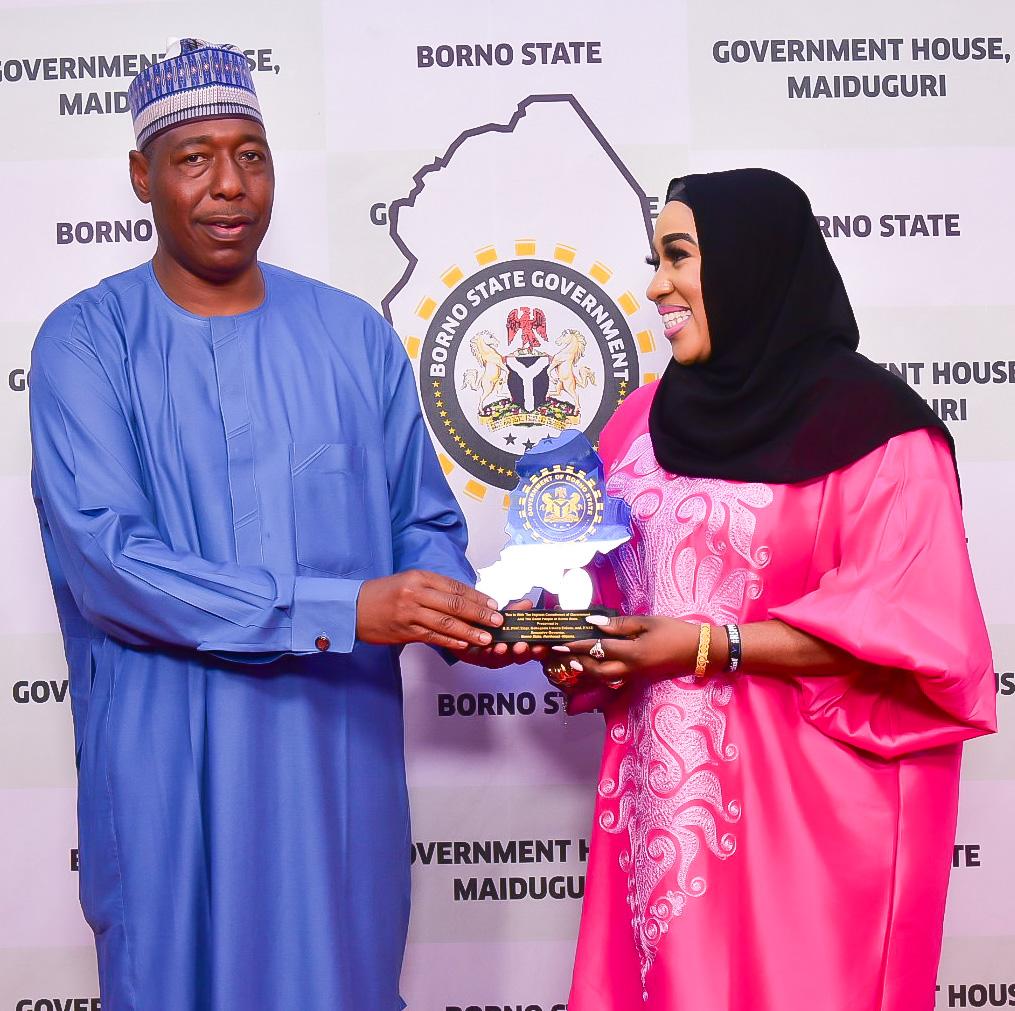
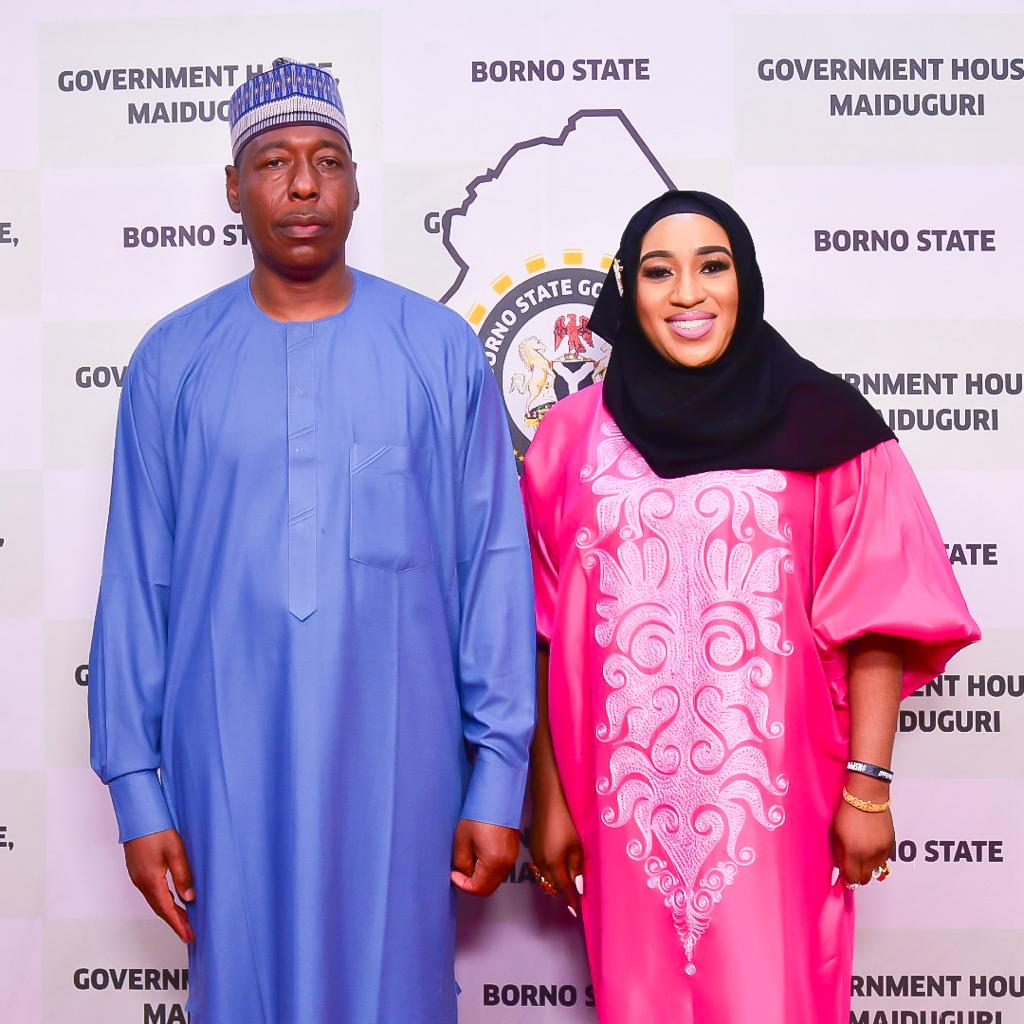
Also speaking, Governor of Borno State, Babagana Zulum, re-echoed the commitment to address humanitarian issues and poverty.
Zulum emphasised the critical areas of collaboration with the federal government which include poverty reduction, sustainable solutions for internally displaced persons, IDPs, and the return and reintegration of refugees.
He said poverty reduction and improved security are interconnected, stating that poverty can contribute to insecurity.
Regarding IDPs, Zulum detailed the state’s approach, which includes offering short-term housing and creating SME opportunities to transition displaced individuals from humanitarian assistance to sustainable solutions.
He also underscored the importance of facilitating the return of refugees, with a strong focus on housing, employment, and financial support.
The governor urged humanitarian partners to align their priorities with those of the government.
He also proposed that states should be allowed the opportunity to own and update the National Social Register to reflect evolving poverty indices.