By Sarah NEGEDU
Two residents have died following an outbreak of rabies in the Federal Capital Territory, with veterinary authorities confirming eight cases of the deadly viral disease in Gwagwalada and Kwali Area Councils.
The FCT Administration said the outbreak had prompted intensified surveillance and public awareness campaigns, urging residents to vaccinate their dogs and cats and report suspected dog bites without delay.
Director of Veterinary Services in the FCT Agriculture and Rural Development Secretariat, Dr. Karnak Dandam, disclosed this in Abuja on Wednesday, saying five of the confirmed cases were recorded in Gwagwalada while three occurred in Kwali.
According to him, samples collected from the affected animals were analysed at the National Veterinary Research Institute, NVRI, Vom, Plateau State, where they tested positive for rabies.
“There are eight confirmed cases of samples taken for testing at the National Reference Laboratory, NVRI, and they came out positive.
“The first samples we took to Vom this year was in March and the result came out the same month. The second samples were in early June and the result came out on June 15,” he said.
Dandam added that the secretariat had stepped up sensitisation across the six area councils, encouraging residents to present their dogs and cats at designated public and private veterinary clinics for vaccination and certification.
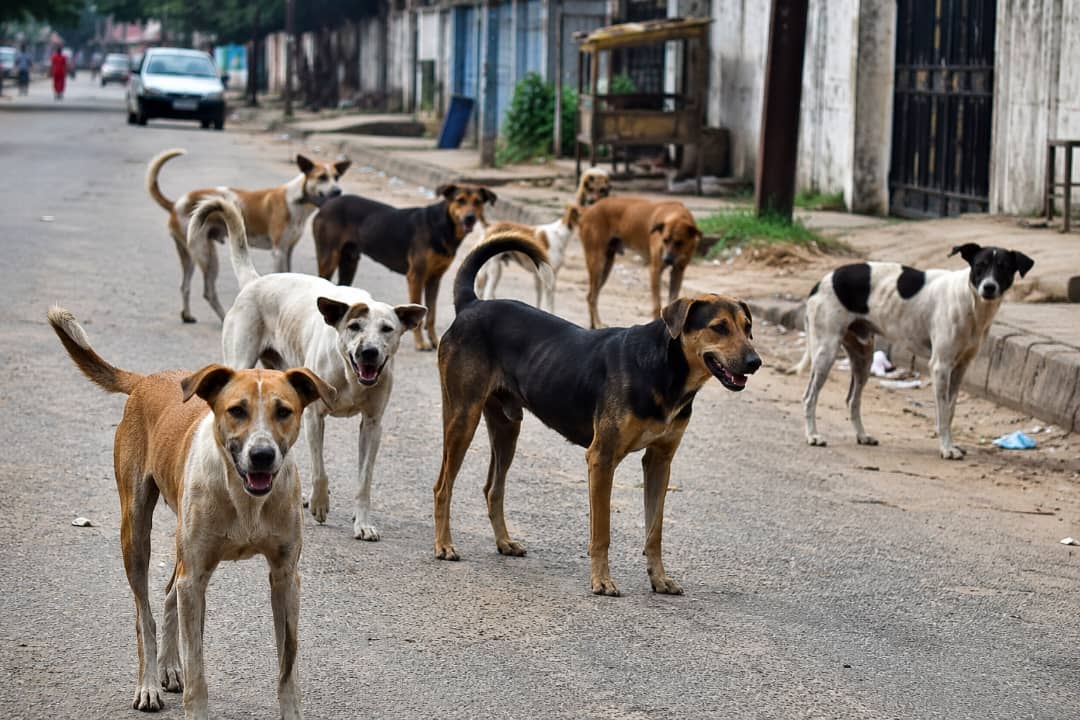
He also advised pet owners to keep their animals from roaming freely to reduce the risk of exposure to infected dogs.
“The secretariat is also sensitising residents across the six area councils to take their dogs and cats to designated public and private veterinary clinics for rabies vaccination and certification.
“Everybody has to restrict his or her dog and cats, so that they will not be roaming the streets and become exposed to infected rabid dogs,” he said.
The director further disclosed that the FCT Administration was procuring additional doses of anti-rabies vaccines ahead of a mass vaccination exercise to be carried out across villages and towns in the territory.
“Anywhere there is a dog and a cat, we will visit, vaccinate and give the owners a certificate of vaccination and license. That’s our plan,” he said.
Dandam described rabies as a viral disease that attacks the central nervous system and warned that once symptoms appear in humans, survival is rare.
He advised anyone bitten by a dog or cat to immediately wash the affected area thoroughly with soap and plenty of water before seeking urgent medical attention.
He also urged residents to watch for sudden behavioural changes in their pets, saying infected dogs often become withdrawn before turning aggressive.
“The major clinical sign that the owner will notice is that the dog that has been friendly suddenly becomes apprehensive and aggressive and starts attacking without provocation.
“The first sign is that the dog will seclude itself, lay in a quiet place and will not be interested in any activity.
“When the rabies gradually develops, the dog will suddenly become apprehensive and start attacking any object that it comes across, even the owner will not be spared.
“As the disease advances, the dog will start roaming around with its jaw widely open, which will progress to paralysis and eventual death within 10 days of the onset of clinical signs,” he said.