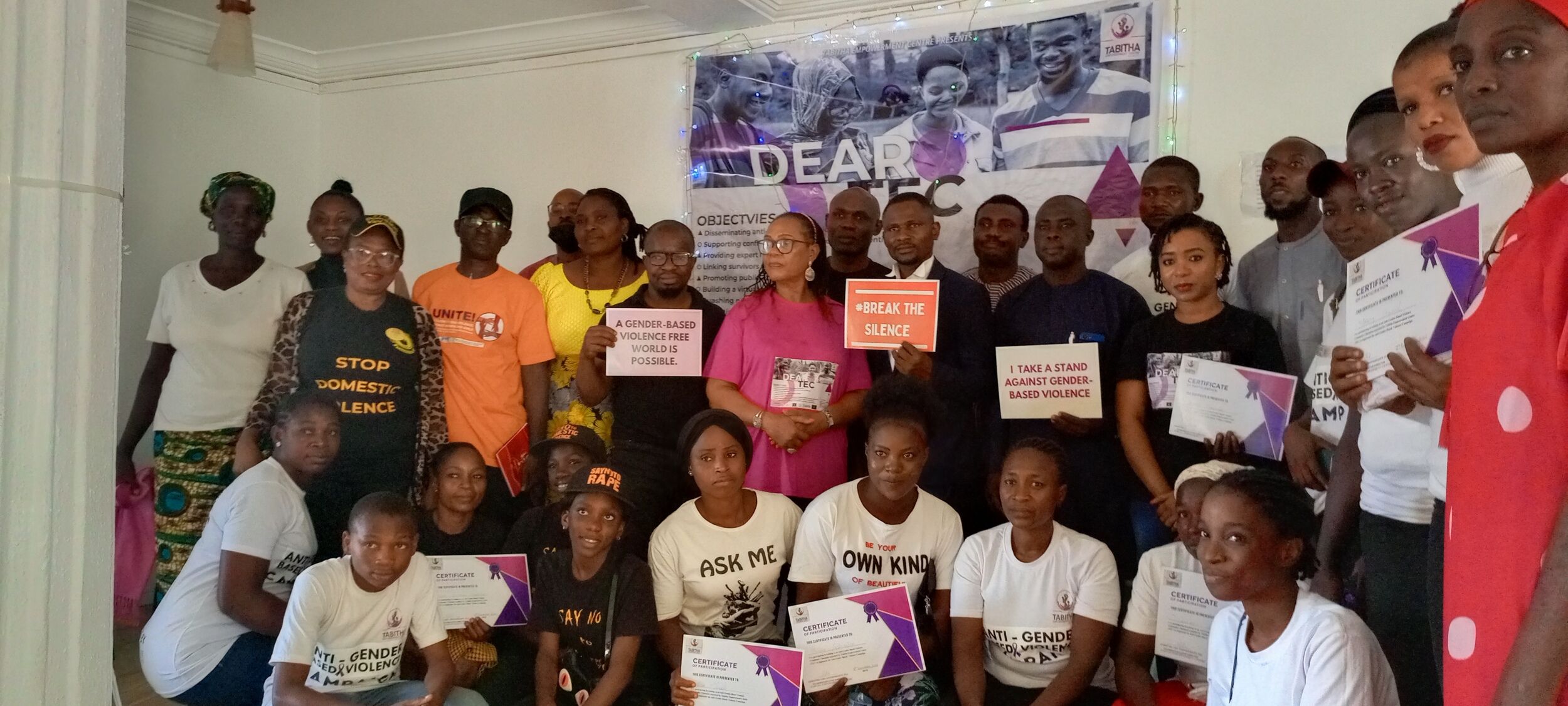
In a dedicated effort to combat sexual and gender-based violence, SGBV, Tabitha Empowerment Centre, TEC, has unveiled the “Dear TEC” project.
The initiative, aligned with the 16 days of activism theme, “Unite! Invest to prevent violence against women and girls,” signifies a collective stand against the pervasive issue.
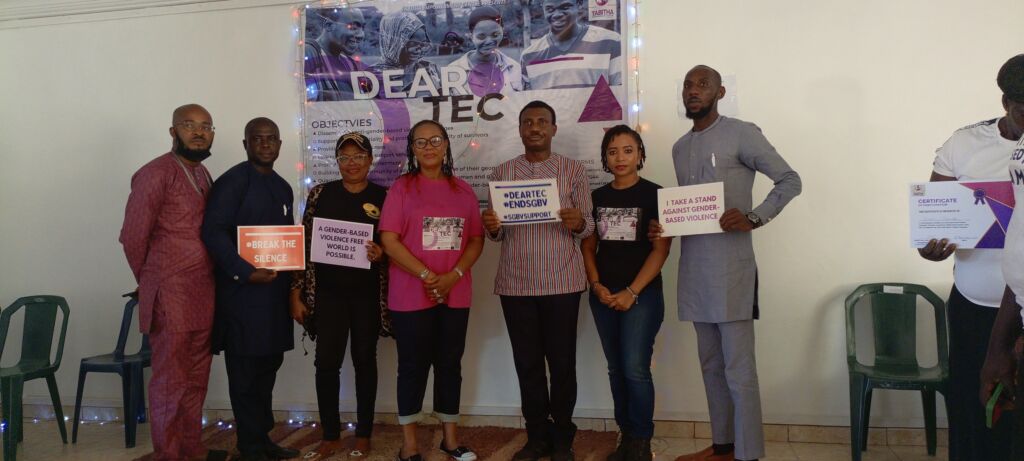
The “Dear TEC” project aims to create a platform for individuals to seek information, ask questions, and receive expert guidance on SGBV. With an emphasis on fostering a community of virtual advocates, the initiative aspires to empower individuals to take a stand against gender-based violence, ultimately contributing to a safer and more informed society.
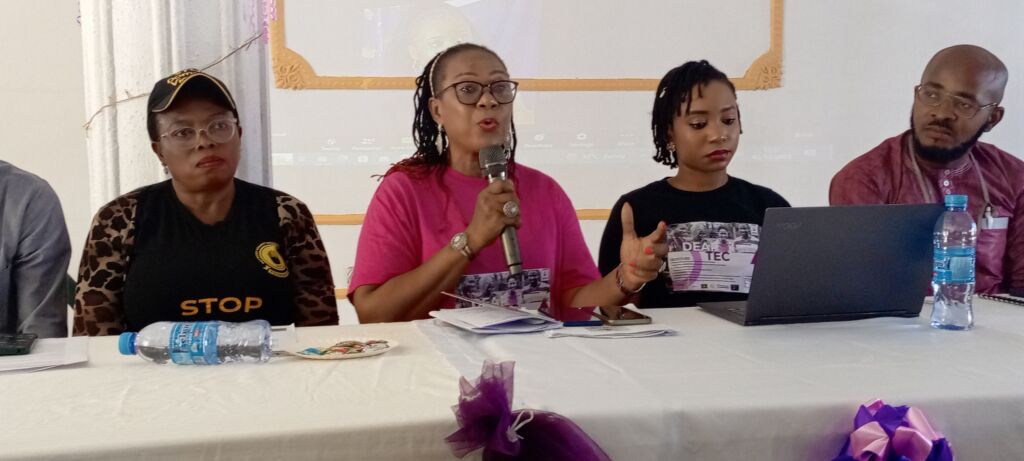
TEC’s Advocacy Officer and In-house Lawyer, Gladys Emmanuel, stated during an a press conference in Abuja ,that its target is a aimed at demonstrating it’s relentless and collective effort owards eliminating sexual and gender-based violence by utilizing various strategies, such as the ‘Dear TEC’ platform.”
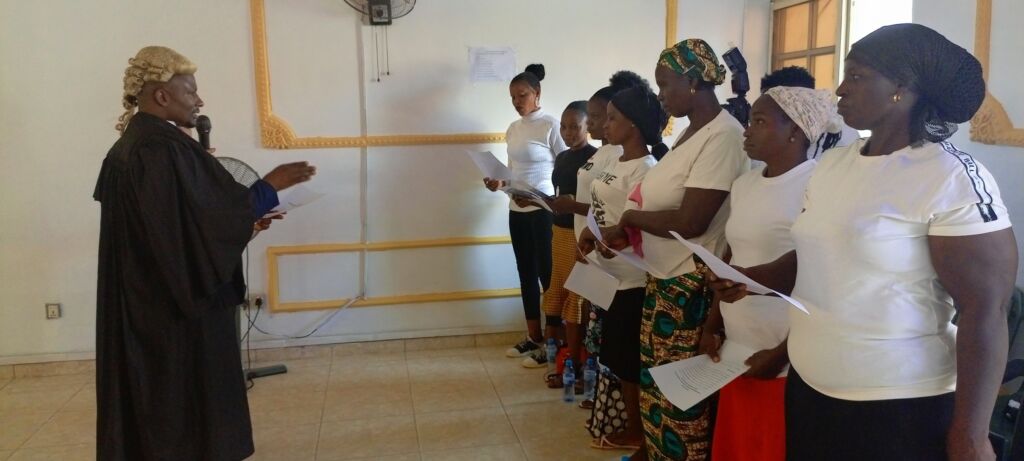
Also our commissioning of Anti-gender-based violence community champions from Gidan Mangoro community, who were trained by TEC with support from NAPTIP, and Legal Aid Council, Abuja.
While fielding questions from journalists, Emmanuel said, emphasized the critical role of Civil Society Organizations (CSOs) and law enforcement at the grassroots level, stating, “If you stay at the national level and make policies without drawing from the grassroots, they will not be very effective.”
She highlighted the need for collaboration between government agencies and CSOs to address challenges, emphasizing the diverse aspects of empowerment beyond financial gains, such as access to justice and skill-building.
Speaking on, Dear TEC’s impact on disability cluster, Emmanuel explained that
“In the long term, our project aims to evolve into an app that is user-friendly for individuals with visual impairments or various disabilities, incorporating features like speech and accessibility.
“Currently in the pilot stage, we are utilizing platforms such as Facebook, Instagram, and a dedicated confidential WhatsApp handle for youth engagement. The choice of WhatsApp is strategic to ensure confidentiality, as explained by our speaker: “With Facebook, it’s easy to track messages, but with WhatsApp, the perpetrator remains anonymous online.”
Also Speaking, Founder/Executive Director of TEC, Christina Uzo-Okamgba emphasized the urgent need to address the culture of silence surrounding SGBV.
She introduced the “Dear TEC” project as a comprehensive solution to encourage dialogue, provide expert responses, protect victim confidentiality, and facilitate speedy referrals.
Uzo-Okamgba underscored the collective responsibility in combating gender-based violence, stating, “Traditional rulers, their ranks, their ideas, teachers, everybody should be involved in this case.”
She emphasized the crucial role of parents as the first teachers and urged for a change in behaviors, saying, “Parents are the first teachers that the children, and if you are beating your wife… they are watching.”
She called for gender equality, stating, “We are all important,” and highlighted the need to address incidents within families to prevent perpetuating harmful behaviors.
She encouraged everyone to support efforts by NGOs, CSOs, and government agencies, concluding with a plea for open communication and action to create a safer society.
Also speaking, Program Officer of Association of Wives of FCT Traditional Rulers, Bassey Emmanuel, highlighted two key areas for government improvement in handling domestic violence cases: First, the establishment of special courts dedicated exclusively to gender-based violence (GBV) cases to ensure focused attention. Second, the need for comprehensive training and retraining for personnel in government agencies, such as the National Human Rights Commission, to better understand and address the complexities of domestic violence issues, fostering a more supportive environment for survivors.
He said,’ Addressing access to justice for women is crucial; some hesitate to report issues fearing a lack of understanding. Financial independence is key, as the economic status of women significantly impacts vulnerability to violence. Community efforts, raising awareness, and fostering self-reliance through economic skills are vital interventions against this prevalent issue.”
On his part, “The executive director,Hope Alive Campaign Initiative, Ibrahim Saidu, expressed gratitude to TEC for initiating the project aimed at addressing gender-based violence. He outlined the organization’s primary goal of facilitating the return of violence survivors, particularly girls, to school.
Saidu emphasized the alarming dropout rates in rural schools and acknowledged the collaboration with Tabitha Empowerment Center. He mentioned, “The main objective of our organization is to see how we can get them back to school, the victims or survivors of gender-based violence, especially the girls.”