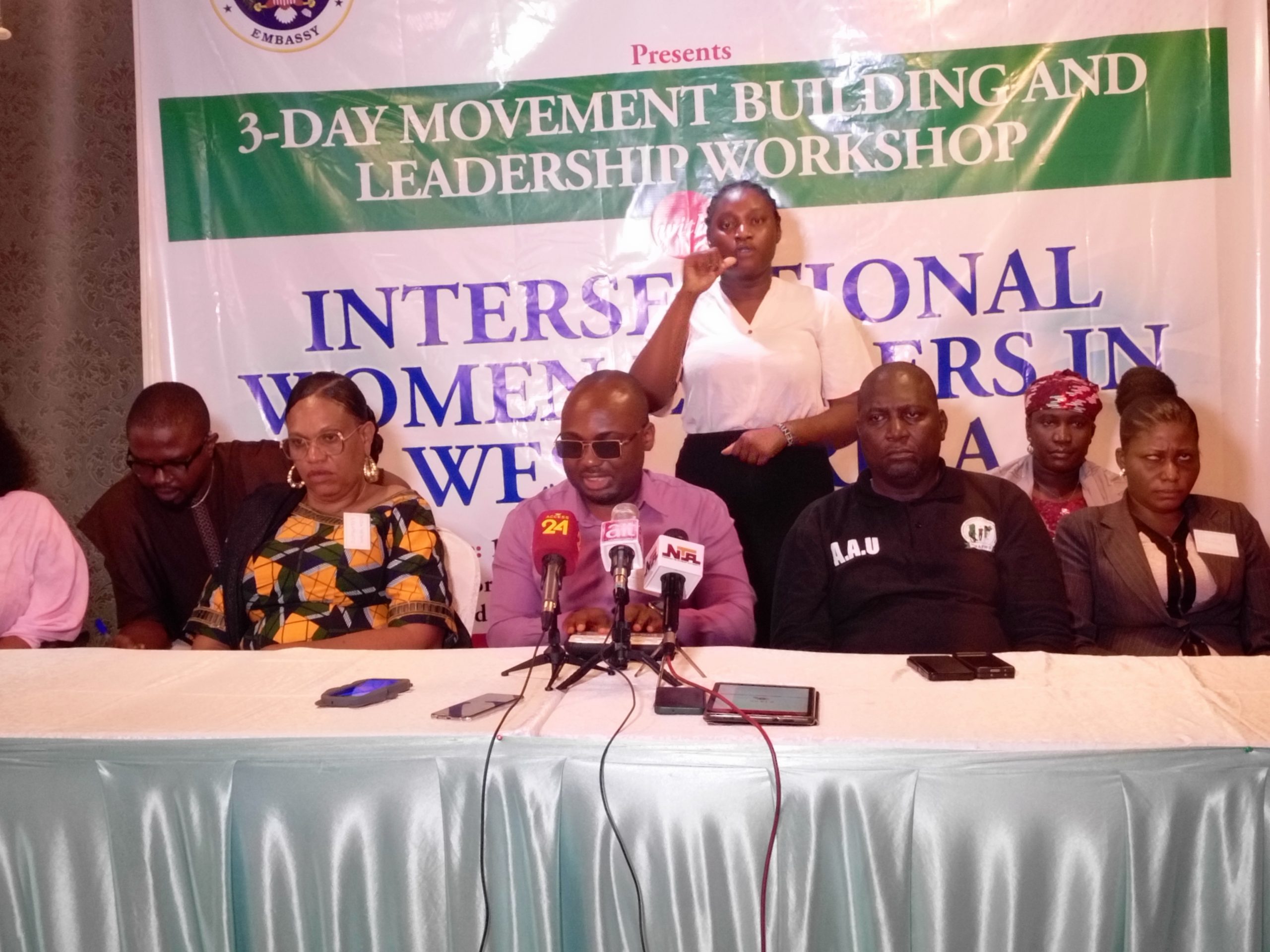
The Joint National Association of Persons with Disabilities, JONAPWD, has reaffirmed its commitment to enhancing leadership representation of women with disabilities in the region.
With partnership from tDisability Rights Fund/Disability Rights Advocacy Fund (DRF/DRAF), JONAPWD is poised to empower women with disabilities to take on leadership roles, challenge gender-based violence, and promote their inclusion in mainstream women’s movements.
Speaking during a 3-day workshop in Abuja, National President of JONAPWD, Abdullahi Usman, stated that the workshop is aimed at empowering women with disabilities from Ghana, Togo, Senegal, and Nigeria.
According to him, the workshop will provide participants with improved capacity to lead, jointly advocate for rights, and eliminate harmful traditional practices that perpetuate gender-based violence. It will also facilitate the building of regional cross-movement collaboration with mainstream women’s movements to foster disability inclusion.
He said, “If you are talking about women, they have discrimination,the women of disability have double discrimination. We also want the women of disability in Africa to understand that they are fighting for their fundamental policies. The issue of their disability, you know, sign of disability law or whatever, is not a matter of maybe charity.
“We want women of disability in West Africa to understand that the definition of their disability needs to come under the human rights aspect. We see a lot of gaps, because being a woman and also being her with disability, she always faces double discrimination in her rights.
The President hinted that after the workshop, women with disabilities will be prepared for impactful leadership roles, empowered to capitalize on emerging opportunities, and equipped to drive the agenda of the disability rights movement at both the national and regional levels.
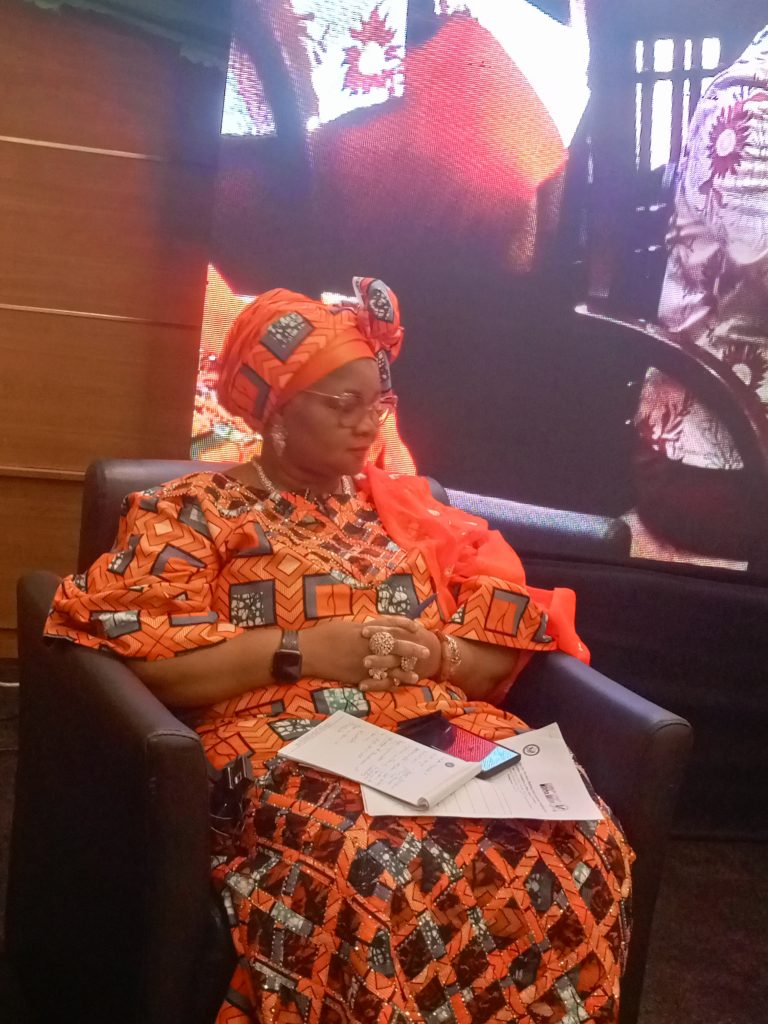
In her keynote address, Director of the Maryam Babangida National Centre for Women Development, Dr.Jummai Idonije, emphasized the importance of inclusive programming for women and girls with disabilities in the Economic Community of West African States outlining recommendations to address the unique challenges faced by this marginalized group.
She advocated for programs that consider the intersectionality of gender, disability, and other factors such as race and socio-economic status. She said “These programs should be designed to be physically and communicatively accessible, ensuring equal participation for all”
Dr. Idonije stressed the necessity of involving women and girls with disabilities in decision-making processes to ensure their needs and perspectives are adequately represented.
Furthermore, she noted the importance of providing tailored support, including sign language interpreters, braille materials, and assistive technology, to address specific needs. Empowering women and girls with disabilities to assume leadership roles and fostering their confidence and self-advocacy skills were also emphasized.
Dr. Idonije called for programs that enhance the capacity of women with disabilities, their families, and communities, promoting greater independence and self-advocacy.
She underscored the need to facilitate access to essential resources such as education, healthcare, and economic empowerment opportunities to improve overall well-being.
While addressing stigma and discrimination through positive attitudes and inclusivity, She said, “Collecting data on the needs and experiences of women and girls with disabilities is vital to guide policy and program development.”
Also speaking, West Africa Program Manager for the Disability Rights Fund, Theophilus Odaudu, stated that women with disabilities face multiple forms of discrimination and human rights violations, receiving only a small fraction of human rights funding.
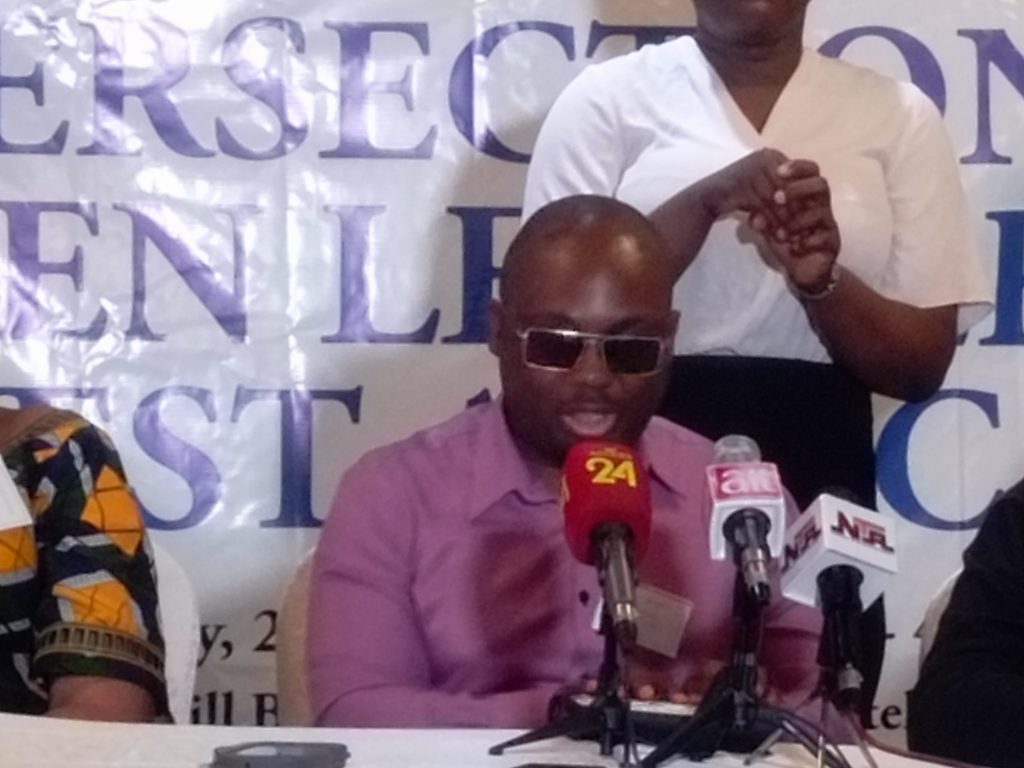
Odaudu explained that the initiative employs participatory grantmaking and intersectional movement building to integrate women with disabilities into both the disability rights and women’s rights movements.
This approach aims to address the severe discrimination and human rights violations faced by these women, who experience significantly higher rates of abuse and violence compared to their non-disabled counterparts, yet receive a disproportionately small amount of human rights funding.
He added that, The project supports five Organizations of Persons with Disabilities, OPDs in Nigeria and Ghana, focusing on key areas such as improving access to sexual and reproductive health services, establishing gender-based violence response mechanisms, and advocating for the inclusion of disability laws.
On her part, National Gender Chair,
Ghana Federation of Persons with Disabilities, Martha Coffie said,
“As a disability group, we’ve been able to come together with resources from international partners, and we have prepared a shadow report.
“So the state is going to present their report, and we are also going to represent ourselves as women with disabilities, saying the critical and the real situation of women in Ghana.
“Thereby, we are talking about inaccessible justice systems that are within our country, so that the state will be able to commit in trying to make accessible access to justice, because we have a lot of sexual and reproductive health violations going on, but because the justice systems are not accessible, women do not want to go and report.
“One, the subject of ambiguity or power, where people are afraid to even report incidents that they are going to lose their job, or they are going to lose the essence to those who care for them”