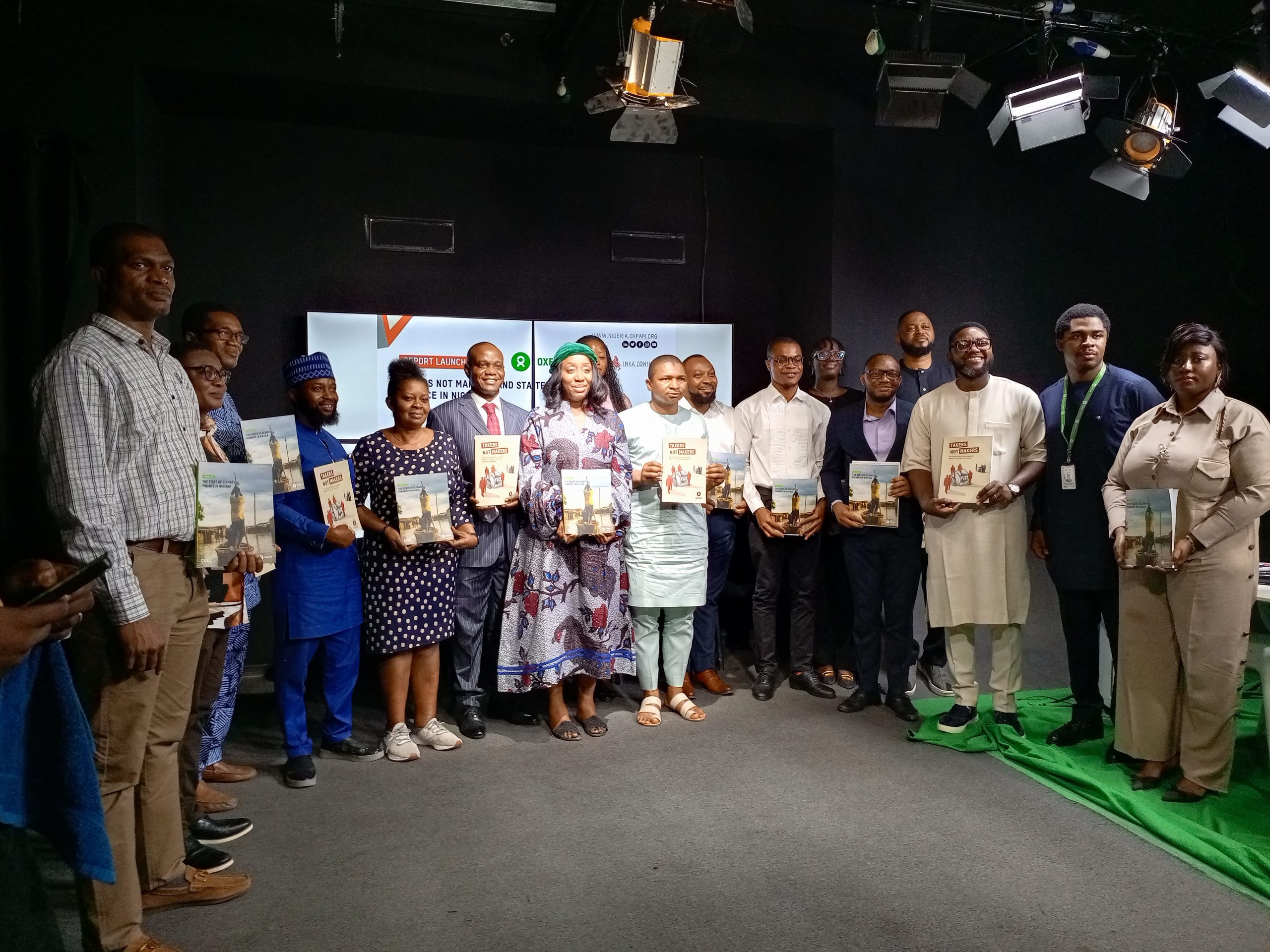
A new report by Oxfam in Nigeria reveals that the wealth gap in Nigeria has reached crisis levels as billionaire wealth surged in 2024, leaving over 133 million Nigerians facing hunger.
The report, titled “Takers Not Makers” and “State of Climate Finance in Nigeria,” was released ahead of the World Economic Forum in Davos and highlights the neglect of critical issues like climate finance both in Nigeria and globally.
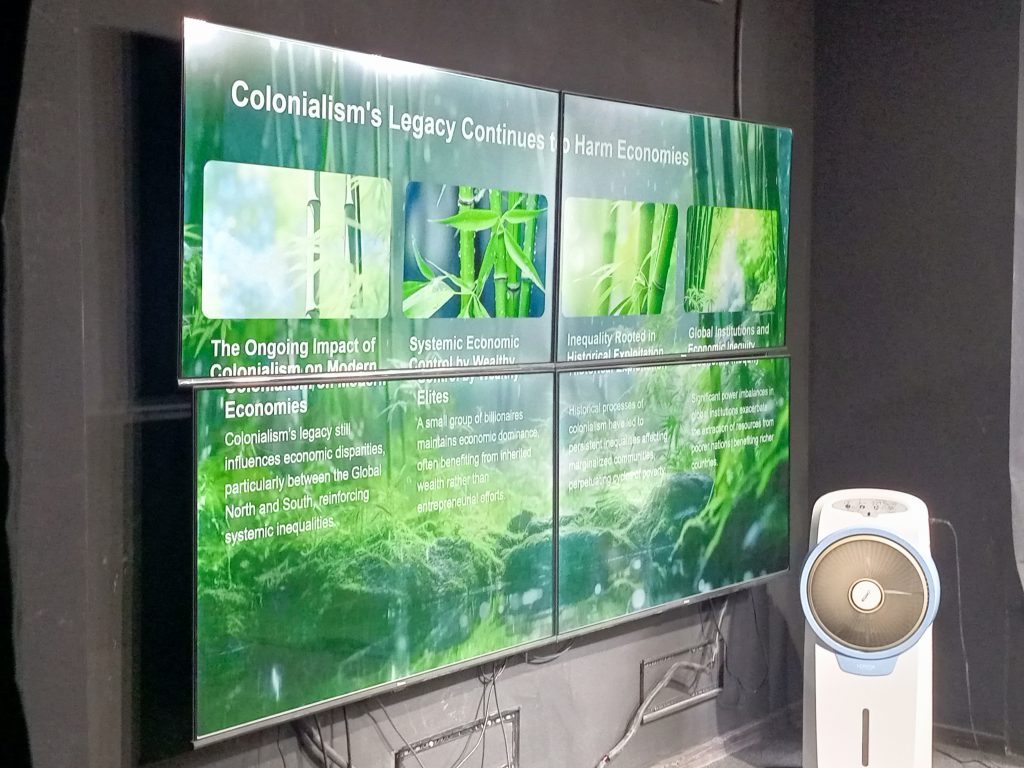
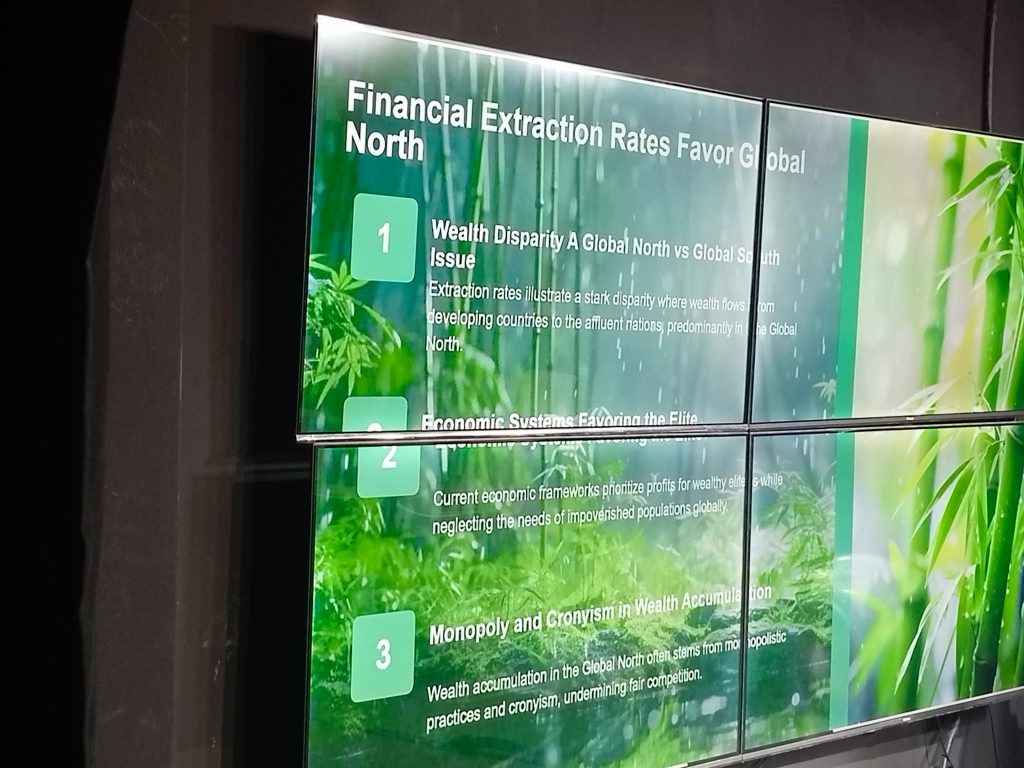
Oxfam revealed that 60% of billionaire wealth in Nigeria stems from inheritance, monopoly power, or crony connections, while only 40 wealthy individuals are registered as taxpayers.
The report emphasized that inequality widen by regressive tax systems and governance structures that prioritize the elite.
Oxfam’s Country Director, John Makina, described the situation as dire stating that, “Nigeria’s wealth gap is a moral and social crisis. While a few individuals amass immense wealth, over 133 million Nigerians face hunger daily. This inequality is unearned and unsustainable. At the same time, the neglect of climate finance worsens the vulnerabilities of the poor, who are already bearing the brunt of climate change,” he said.
The report noted that while governments in the Global North extracted $30 million an hour from the Global South in 2023 through financial systems, many developing nations, including Nigeria, struggle to access sufficient climate finance.
Oxfam warned that the neglecting of climate finance and continued debt servicing, which rose to 162% of revenue in Nigeria in 2024, hindered the country’s ability to address poverty and environmental crises.
Oxfam called on governments to urgently address inequality by taxing the wealthy, canceling debts, and ensuring climate finance commitments are met.
“Climate finance is not charity; it is a justice issue,” said Fati N’zi-Hassane, Oxfam International’s Africa Director.
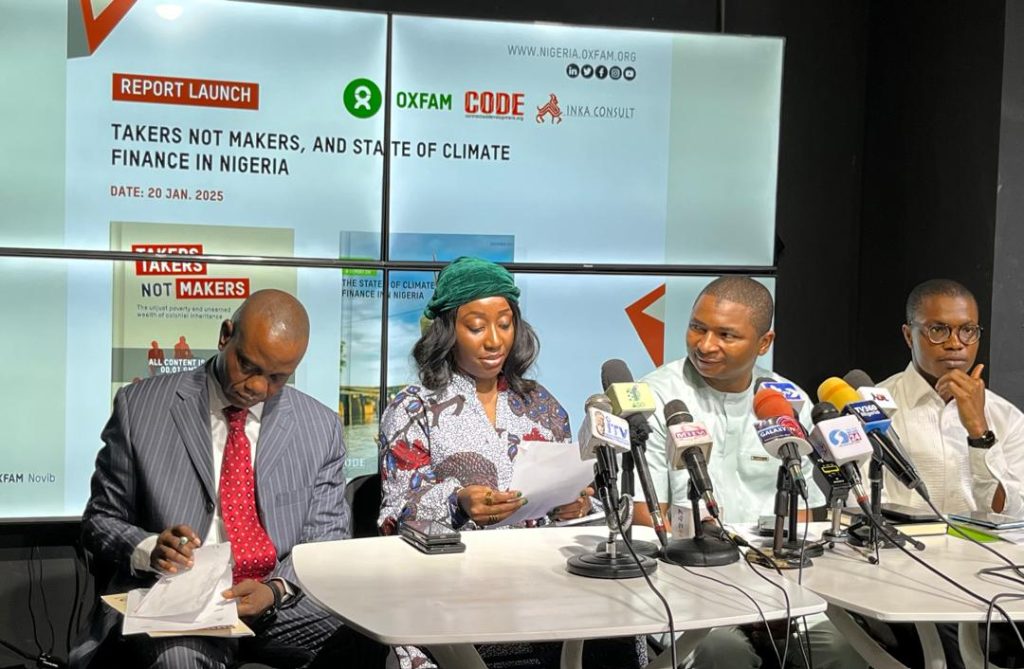
The organization also urged the Nigerian government to increase social sector spending to at least 10% of the national budget, prioritize investments in health, education, agriculture, and climate adaptation, and ensure a comprehensive wealth registry to enforce fair taxation of high-net-worth individuals.
Also speaking, Coordinator for Climate Justice, Oxfam in Nigeria, Kenneth Akpan said, “Climate finance over the years has always been about how the Global North, who have contributed more to global warming, could ameliorate the sufferings of the Global South by providing funds, but these funds have not been coming as they should.
“Now we are talking about more debt coming to us instead of grants. Last year was actually the warmest year since the industrial era, meaning that the crisis we are facing called climate change is all about rising temperatures globally. And what that could mean is we see diverse impacts like heat, flooding, low agricultural yields, diseases, and all sorts, with most of the impacts affecting poor African countries or the Global South.”
Reflecting on the report, Senior Officer for the Nigeria Program at the Natural Resource Governance Institute, Tenge Ikoli, said, “This report outlines what Nigeria has received up until 2021. But the challenge is that a lot of the investments coming in are debt financing, not grants. All of it is loans. Nigeria already has significant debts. There are a lot of hardships already. A lot of our inflation has skyrocketed over the years.
“We need to make sure that we bring all tiers of government in line, so that we’re more practical and progressive, as opposed to reactionary, which Nigeria has been known for,” she added.