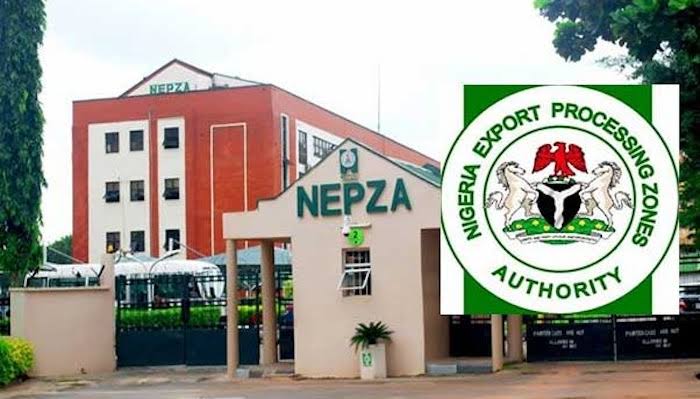
The Managing Director of the Nigeria Export Processing Zones Authority, NEPZA, Dr. Olufemi Ogunyemi, has reassured Free Trade Zone, FTZ, operators and enterprises of the Federal Government’s commitment to strengthening the scheme rather than undermining it, as feared in some quarters.
Speaking the 3rd Nigeria Economic Zones Association meeting on Thursday in Lagos, Ogunyemi emphasized that the FTZ scheme was designed to accelerate industrialization, boost non-oil trade, generate employment, and promote exports.
A statement by NEPZA’s Head of Corporate Communications, Dr. Martins Odeh, on Friday, said the NEPZA boss noted that FTZs remain a crucial pillar of Nigeria’s economic agenda.
He reaffirmed that NEPZA, established by law, is committed to driving economic growth through the Free Trade Zone model, in line with global best practices.
While acknowledging concerns raised by stakeholders regarding the proposed 2024 Tax Reform Bills, which many fear could negatively impact the FTZ scheme, he clarified that the tax policy is not entirely detrimental, urging stakeholders to actively participate in public hearings to advocate for necessary amendments.
Ogunyemi explained that the tax reform aims to harmonize Nigeria’s tax system and is not intended to stifle the FTZ initiative.
He assured operators that NEPZA is engaging behind the scenes to address concerns over clauses that may affect the scheme’s incentives.
“It is public knowledge that His Excellency, President Bola Ahmed Tinubu, remains a strong proponent of the Special Economic Zones (SEZs) and is committed to their full development,” he stated.
He stressed the importance of SEZs in Nigeria’s economic transformation, stating that the association’s annual gathering underscores stakeholders’ shared commitment to leveraging SEZs for national prosperity.
“With the economy navigating challenging times, innovative strategies and targeted interventions are essential. President Tinubu’s Renewed Hope Agenda outlines eight presidential priorities, five of which—food security, poverty eradication, economic growth and job creation, inclusivity, and security—are directly supported by SEZs,” he explained.
He further stressed the need for enhanced collaboration among government agencies to optimize SEZ operations and provide world-class services.
Ogunyemi outlined Nigeria’s role as a key player in Africa’s trade ecosystem under the African Continental Free Trade Area, AfCFTA.
He warned that without strategic policies, the country risks becoming a dumping ground for goods from other African nations.
“Nigeria has nurtured the SEZ scheme for over three decades, and we are beginning to see tangible results. The SEZs have recorded an average annual export growth rate of 0.79%, while domestic exports have grown by 3.26%.
“Foreign Direct Investment (FDI) has expanded at an average annual rate of 3.68%, and Local Direct Investment (LDI) has grown by 1.49%,” he revealed.
Other key performance indicators include backward linkage of 2.80 per cent, customs duty an VAT contributions of 3.34 per cent and Pay-As-You-Earn, PAYE, tax growth of 4.21 per cent.
“To sustain this momentum, we must implement strategic reforms that accelerate growth while protecting past achievements,” he said.