Laraba MUREY
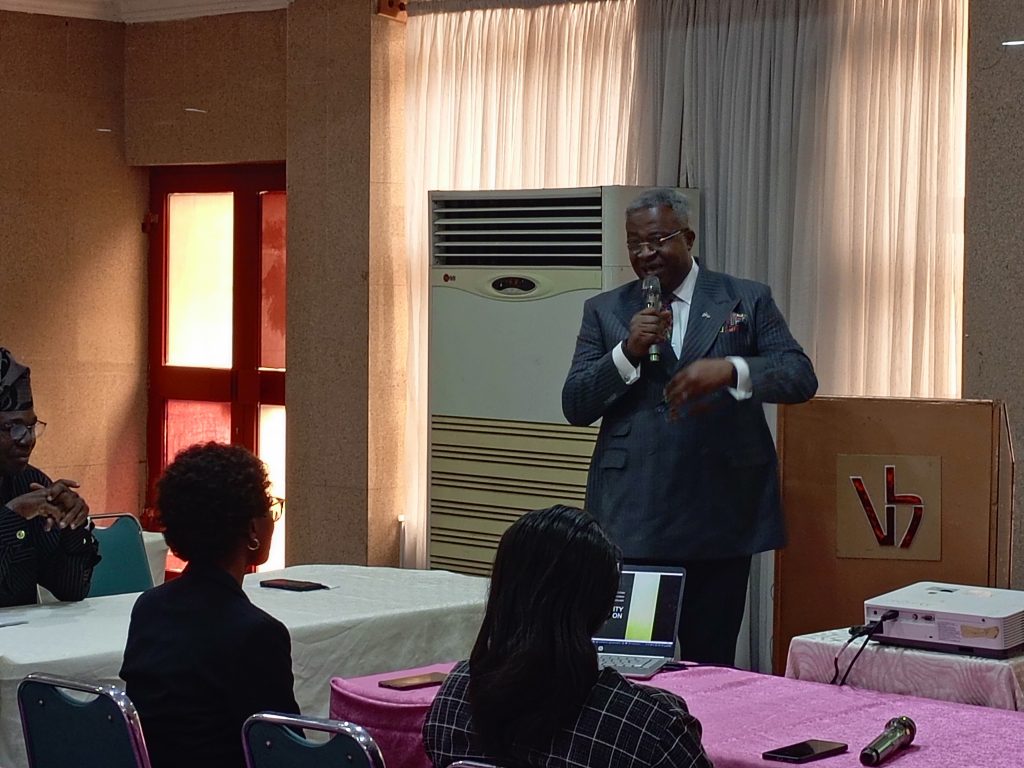
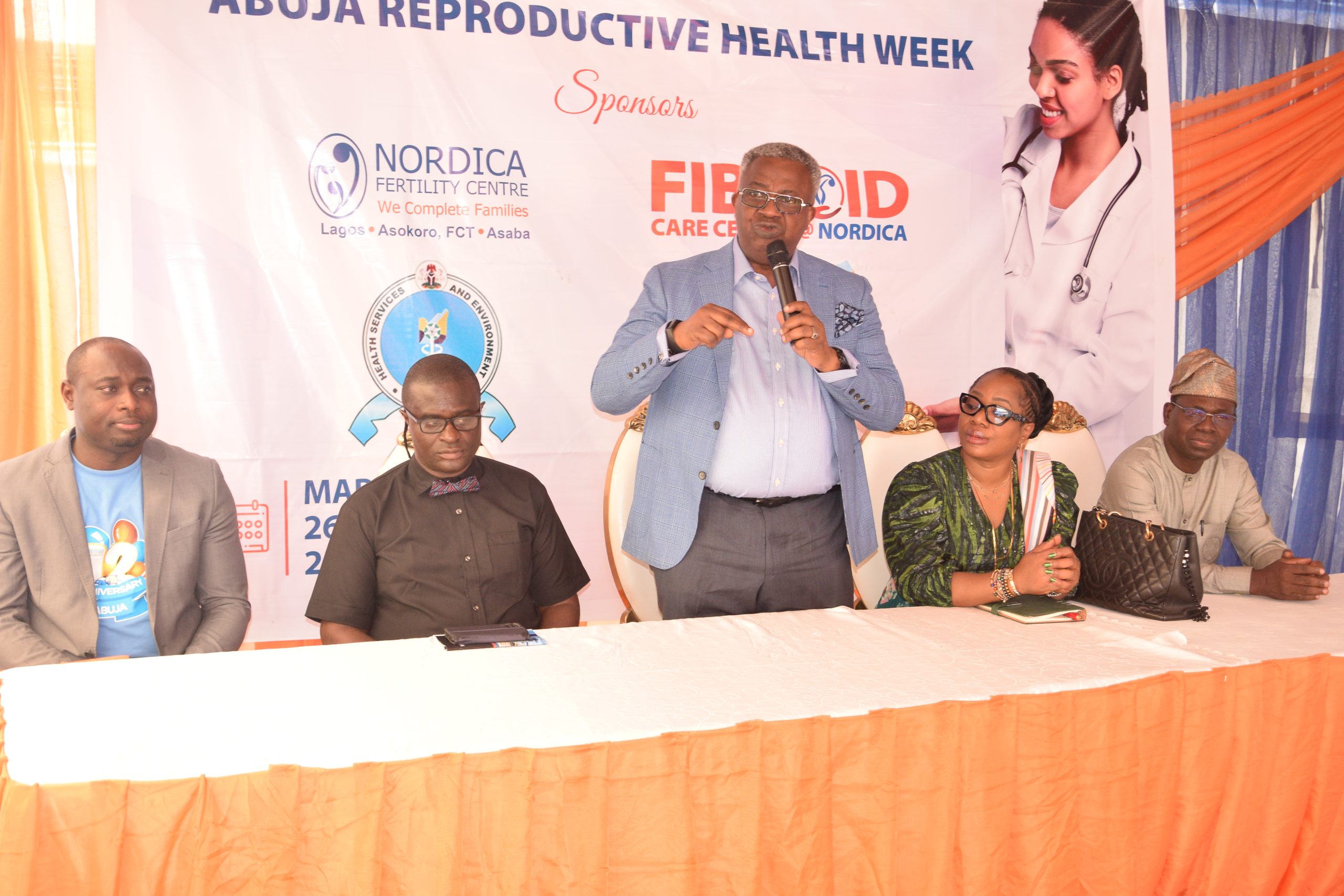
The Federal Capital Territory Administration, FCTA, and Nordica Fertility Centre have intensified efforts to promote reproductive health awareness in Abuja.
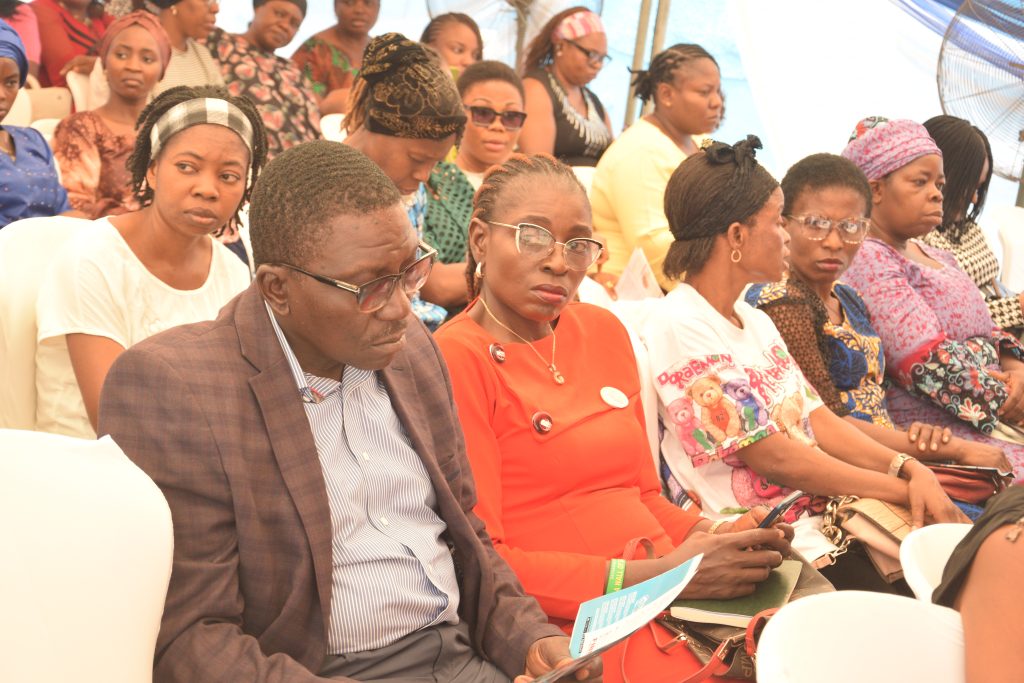
At a two-day event marking the maiden edition of Abuja Reproductive Health Week, medical experts and the public engaged in discussions on fertility preservation, fibroids, and adenomyosis management.
Experts provided insights on onco-fertility, focusing on preserving fertility during cancer treatment, while also examining ways to improve reproductive healthcare.
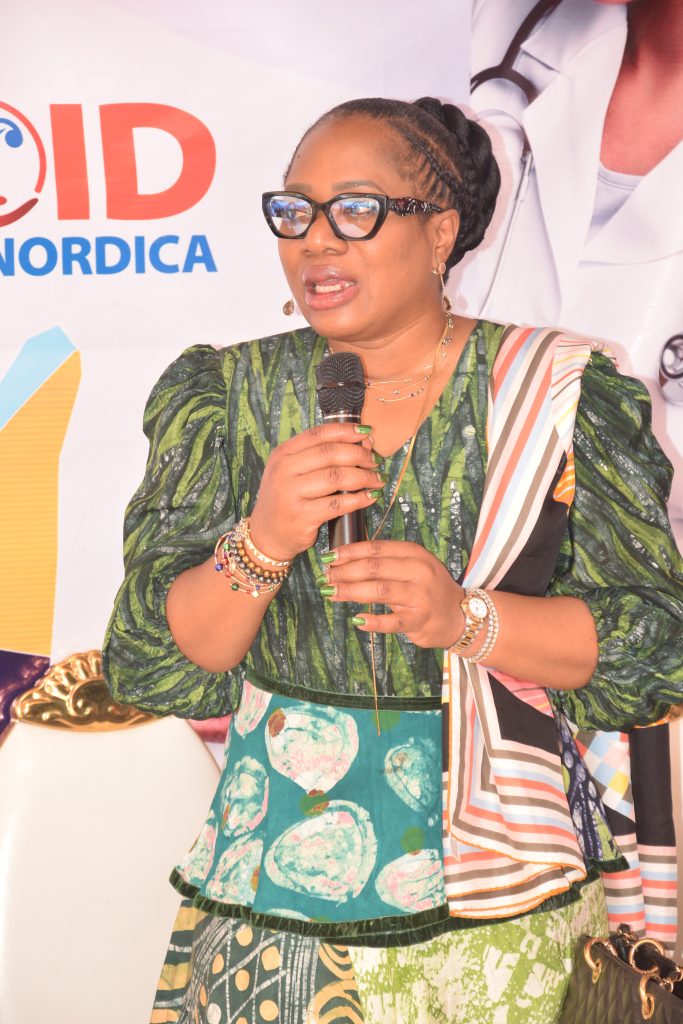
Speaking on the significance of the event, Mandate Secretary of Health Services & Environment, FCTA, Dr. Adedolapo Fasawe, described the initiative as a game-changer for women’s health in the capital city, particularly in line with International Women’s Month.
“This is good news to us in the FCT, knowing that we have this partnership that will give women a better quality of life,” she said.
“Fibroid does not respect age or socio-economic status, but it affects fertility, the mind, and overall quality of life.”
Dr. Fasawe also highlighted the impact of non-invasive fibroid treatment available through the initiative, stating, “In simple English to our audience, you can take out a fibroid without having a surgery, without having an operation. It is safe, it is effective, it doesn’t affect your ability to have children. In fact, it aids in the treatment of infertility.”
On government intervention in healthcare costs, she noted that under the Renewed Hope Agenda, free healthcare had been provided for pregnant women.
“Now, regarding fibroid care, there are ways we would discuss and have a firm handshake on supporting, either through out-of-pocket payments or insurance, to ensure that this procedure is affordable and available to all. After all, the typical surgeries we do for fibroids cost more in some places than what this procedure costs.”
Also Speaking, Chief Executive Officer of Nordica Fertility Centre, Dr. Abayomi Ajayi, emphasized the latest advancements in reproductive healthcare, particularly fertility preservation for cancer patients.
“What we’re going to be talking about today is fertility preservation. We know that the FCTA, together with the Federal Ministry of Health, signed a multilateral agreement in August 2023 to cater to the health of women with cancer. That’s why we’ve chosen this topic as one of the first ones to start.”
Dr. Ajayi highlighted the increasing survival rates of childhood cancer patients and the need to address infertility caused by cancer treatments.
“Now that a lot of them are surviving, how do they have children after surviving cancer? That’s what Dr. Oyetunji will be treating with us mainly today,” he explained.
He also commended the FCTA for its support, particularly the role of the Mandate Secretary, in fostering the partnership.
“We’ve had massive support from the FCTA in this collaboration. But I must also mention the Mandate Secretary, who was probably one of the people who made this happen for us,” he said.
Reflecting on the public-private partnership (PPP) approach, Dr. Ajayi noted its potential in improving healthcare services in Nigeria.
“If Nigeria was like this everywhere, I’m sure the nation would move much faster,” he said. “I’ve tried to do this PPP before in the past, and it was like speaking to people who spoke Latin when I was speaking English. But this, for me, has been an eye-opener that we can say the same thing if we have the same goal.”
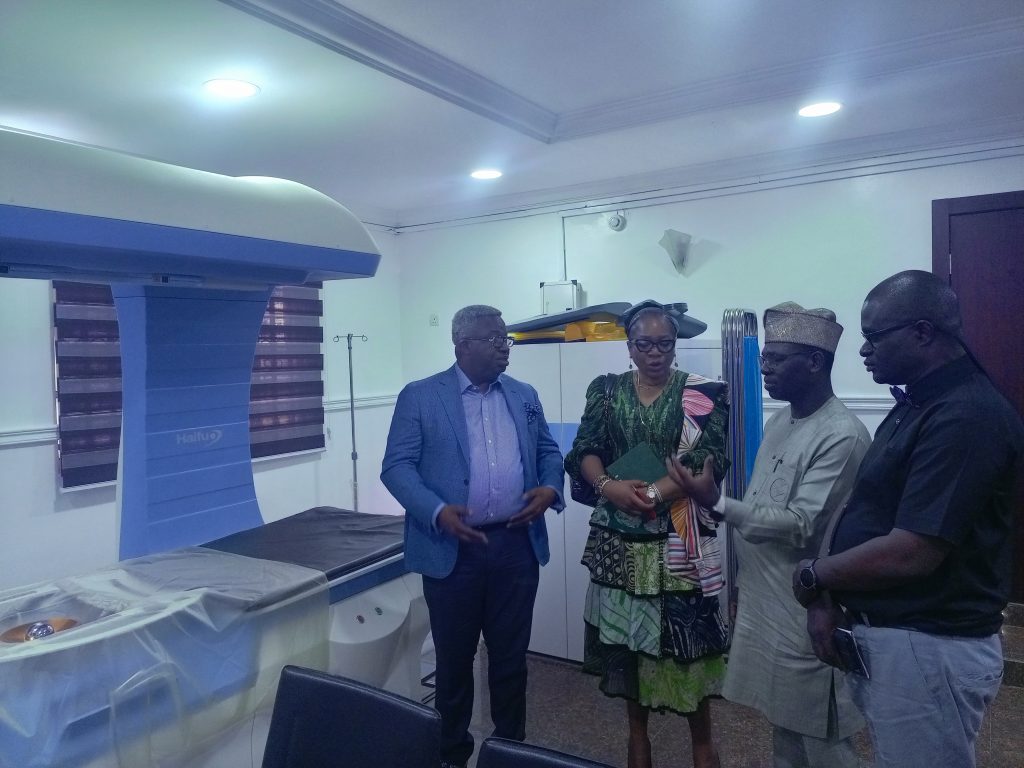
In addition, on the impact of new reproductive health interventions, Dr. Ajayi, described the arrival of the High-intensity focused ultrasound, HIFU, machine in the FCT as a welcome development.
“You mentioned access, so I think one of the things is the fact that it’s accessible to women. What we say most of the time is that you can only make use of something that you are aware of. So, we’re starting from the point of view of awareness creation. Once that is done, then the other aspects of it, we can go, just like the Managing Secretary said, we can take one step at a time and we’ll be able to solve this problem,” the expert explained.


He further noted that the FCT serves as the fulcrum of northern Nigeria, making it a strategic location for expanding reproductive healthcare services to women in the North Central region.
On her part, Guest Lecturer, Dr. Ifeoluwa Oyetunji, emphasized the importance of fertility preservation for cancer patients and career-driven individuals, highlighting advancements in reproductive health technology.
Speaking on the subject, the gynecologist stated, “Fertility preservation is the process of saving eggs, sperm, or reproductive tissue so that individuals can use them later for biological children. While it’s not a new concept globally, it is gaining attention in Nigeria as more people become aware of their options.”
The discussion underscored the impact of cancer treatments on fertility, with experts noting that chemotherapy and radiation therapy can significantly reduce reproductive potential. “Many cancer survivors face reproductive challenges due to treatment effects. Early discussions on fertility preservation can help them make informed decisions and avoid regrets later,” she explained.
The seminar also addressed social freezing an option for women who wish to delay childbearing due to career pursuits or the absence of a partner. “We see more women considering this option to secure their fertility for the future, ” the fertility specialist added.
Oyetunji highlighted improvements in preservation techniques, noting that vitrification—a method introduced in 1999 has enhanced success rates.
“The recovery rate for preserved eggs and sperm has improved to over 95%, offering better outcomes for those who choose this option,” she stated.
Additionally, occupational and environmental factors were discussed, with specialists cautioning that prolonged exposure to petrochemical products could affect sperm quality.
“We’ve seen cases where men working in certain industries develop fertility issues later in life,” she revealed.
The session concluded with a call for increased awareness and access to fertility preservation services.
“We need to ensure that patients, especially those undergoing cancer treatment, receive timely information about their reproductive options,” Dr. Oyetunji emphasized.
As discussions continue, experts and stakeholders remain optimistic that reproductive healthcare in Abuja will see significant improvements through such collaborations.