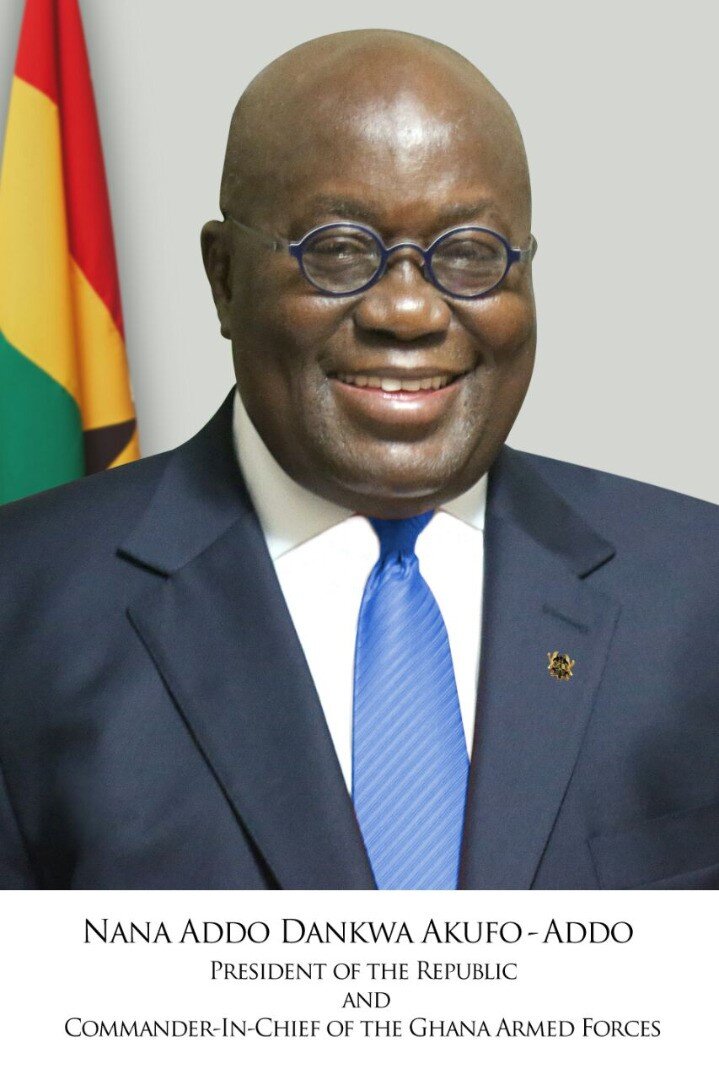
Ghana’s immediate past President, Nana Akufo-Addo, has been appointed to head the 120-member Election Observation Mission of the Economic Community of West African States, ECOWAS, to the Republic of Benin ahead of its presidential election scheduled for April 12, 2026.
The mission, supported by a technical team led by ECOWAS Commissioner for Political Affairs, Peace and Security, Abdel-Fatau Musah, will monitor critical phases of the electoral process, including pre-election campaigns, Election Day proceedings, and post-election developments.
As part of its mandate, the ECOWAS team will engage a broad spectrum of stakeholders, including government institutions, political parties, civil society organisations, the media, and development partners.
The overarching goal is to reinforce ECOWAS’ longstanding commitment to credible elections and the deepening of democratic governance across West Africa.
In preparatory engagements, ECOWAS Long-Term Election Observers, LTOs, already deployed to Benin held consultations on March 24 with officials of the country’s National Electoral Commission, Commission Électorale Nationale Autonome, CENA, led by its Chairman, Sacca Lafia.
He briefed the delegation, headed by Serigne Mamadou Ka, on the commission’s level of preparedness, highlighting the training of electoral personnel and logistics for the distribution of election materials.
Lafia expressed confidence in the commission’s readiness, citing the successful conduct of legislative and municipal elections earlier in January as a strong foundation.
Earlier, ECOWAS Resident Representative in Benin, Amadou Diongue, provided the observers with an overview of the country’s political climate and the context surrounding the upcoming vote.
The team also consulted with Francis Oke, a former ECOWAS Representative to the African Union and past head of the Electoral Assistance Division.
Approximately eight million registered voters, out of Benin’s estimated population of 15 million, are expected to participate in the election to choose a successor to outgoing President Patrice Talon, who is completing his constitutionally mandated two terms in office.
The ruling coalition has nominated Finance Minister Kossi Mbuèke Romuald Wadagni as its presidential candidate, while the opposition is represented by Paul Hounkpè.
Under Benin’s constitution, a candidate must secure more than 50 per cent of the vote to be declared winner.
However, with only two candidates contesting, the likelihood of a runoff election—typically required if no candidate achieves a majority—is considered minimal.
The presidential poll follows legislative and municipal elections held in January and is taking place amid significant political developments, including constitutional reforms and shifts in the country’s institutional and party landscape.
These developments also come in the wake of a foiled military coup attempt in December 2025.
ECOWAS had earlier deployed a pre-election fact-finding mission to Benin from January 7 to 17, 2026, during which it engaged key stakeholders such as government officials, political party coalitions, electoral authorities, and civil society groups.
The regional bloc has reiterated its commitment to supporting Benin in delivering a credible, transparent, and peaceful electoral process, aimed at strengthening democracy, good governance, and stability in the region.