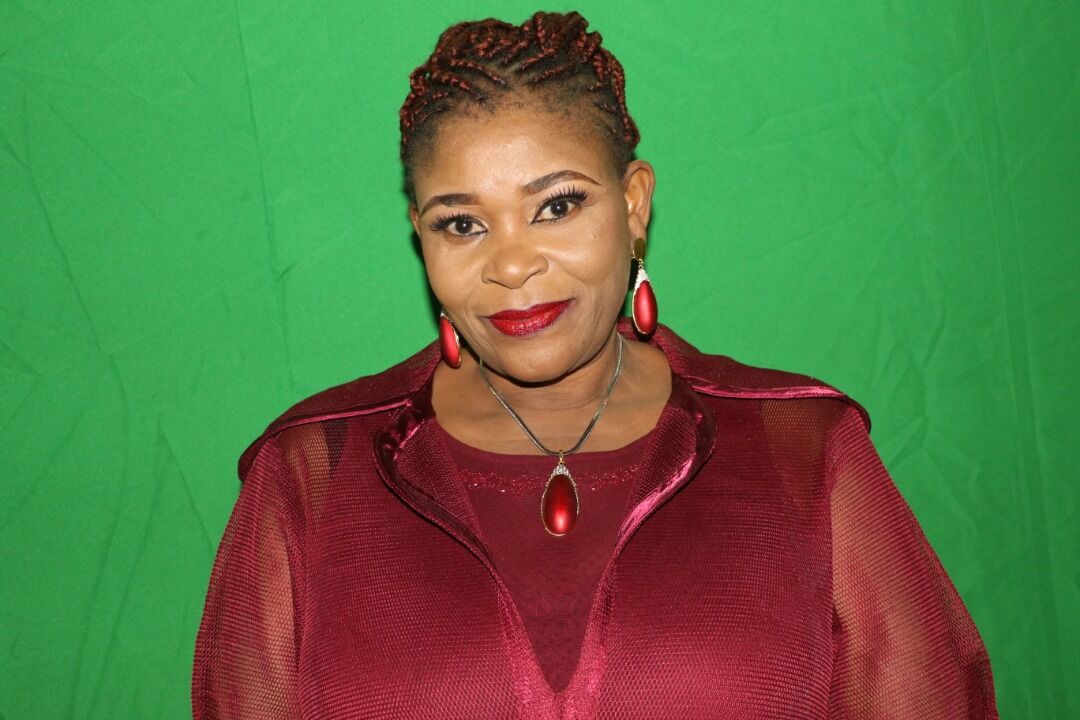
As Nigeria joins the rest of the world in marking the International Women’s Daw, IWD, veteran journalist, former perm sec, singer and philanthropist, Kadilo Brown, spoke to Laraba MUREY, on her passion for singing, handling workplace sexual harassment and her thoughts on 35% women affirmative action. Excerpts:
Besides being a journalist and a permanent secretary, what more can you tell us?
Well, I love singing for charity and gospel. I’m the founder of an orphanage that takes care of children and youth in Port Harcourt, Rivers State. A mother to three lovely children.
Before my retirement I served in five government ministries, I was a permanent secretary for seven years. Firstly, in the office of the Secretary of the State Government, then the Ministry of Information, that is my constituency. Then I went to the Ministry of Chieftaincy and Community Affairs. I was then posted to Commerce and Industry and finally to Social Welfare and Rehabilitation. I’m still into charity. I was retired before my years in service elapsed.
For a woman who rose to the office of permanent secretary, what was the journey like?
Very challenging! A lot of issues. I started working at a very young age. I finished my school certificate, I started working in a media house, and I fell in love with journalism. Somehow, I grew through the ranks and that culture of media practice just got a better part of me. To work in a newspaper house you must be hard working. That helped me. I became an editor, thereafter, I was interviewed and asked to come work with the office of the Secretary to the SSG as a director. It was actually a state-owned government paper that I was working with.
I became a permanent secretary obviously because of my performance. It wasn’t easy for a woman to make an impression. You have to even work much more than your male counterparts, not the normal average work. Some women feel they should be sympathized with. At a point because I was bearing children, I couldn’t really cope. So, because of that some other of my colleagues that were not as good as myself gained promotion as a result of that period but after child bearing, I came back, I braced up, I told myself I will not allow these momentary setbacks be reasons for being overtaken.
At one point I was the only female on the editorial board and you have to be good to be on the editorial board of a media organization. I wanted to make a mark. I did not limit myself to women related pages or areas like fashion, I tried to delve into more serious issues, departments, pages, desks and that helped me. When you talk about female journalists then, I will readily come to mind. They say “a golden fish has no hiding place,” I became a permanent secretary not because I knew anybody. I grew from reporter, editor, title editor. There were six editors that were interviewed. As I resumed, the governor and the SSG I was working with then immediately took notice of my services and it was decided that I should be appointed a permanent secretary based on merit. I was serving as cabinet director, the permanent secretary got an appointment and relocated somewhere. So, I didn’t know when the governor mentioned my name because I was busy writing minutes. Behold, I almost fainted. It was then he instructed the head of service to appoint me. So, clearly this idea of “man know man” was not there and that is a problem we are having in this country.
In a few days, it will be the International Women’s Day and you just released a song. So, what informed your using music as a medium of messaging?
So, I love singing because it is my passion. I also love to cook for festivals, I am a journalist and an administrator. For a Nigerian woman to survive you have to diversify. So, you use your hobby to make money for yourself.
Now, my first album was in 2018. I used it to raise money for my foundation. Then my second album was in 2019. I did two albums in 2020. Now, this particular song, ‘The Woman Formula,’ is about the essence of womanhood. It got to a place when I started spelling out the things that are associated with women. The song showcases the strength, resilience of a woman. She has been blessed with all these attributes, roles she is able to combine all of them and how she takes care of everyone around her, then at night she also has another responsibility.
So the song attempts to showcase the role of a woman and that if you put this together, the formula that can bring solutions to the problems that we have even in our societies.
Now, from that song. I started a women’s movement; The Woman Formula Initiative has come up with a lot of actions that women should undertake to advance the course of womanhood to come closer with what we want to achieve.
What do you make of the International Women’s Day celebrations? Should women celebrate at all?
We should because women are working. We cannot say that women have not achieved anything, the only thing is there is a mark. There is something we are looking for which we have not gotten. It does not mean that we have not gotten anything at all. We will appreciate ourselves for the little that we have achieved and we will look towards getting the main thing we are looking for. It is worth celebrating.
The decline of the 35% women affirmative action is a clear message to women. Yes, we will celebrate ourselves at least, we have some women who are holding positions like Okonjo-Iweala and the rest.
But, we are looking beyond that. We need more. Now, this 35% other countries are already implementing it. Why is it that the affirmative action which has been chartered, which a lot of countries have upheld, and are working on to ensure that women are given positions. Why is the case in Nigeria different? There are issues that women have to put into perspective. For me, the advice is that we women should take the decline as a clear message and go back to the drawing board.
As women in Nigeria, we need to re-strategize. It is several decades now that we have we have been agitating and talking about women’s advancement and empowerment and we can’t just be talking endlessly. We are talking about recognizing women, eliminating bias, and stereotypes and all that. How much have we achieved? If we have to grade ourselves, I don’t think we have even gone up to half. Every year, women will come out and celebrate, somehow, it has turned into a funfair, like a ritual. It is time for women to go beyond merely making speeches.
Now, we know that work place sexual harassment is commonplace. Did you experience it? If yes, how were you able to handle sexual harassment in the workplace?
The issue of harassment is that some men are just like that. Some will want to use their positions to bamboozle you. But if you are a woman of integrity, you should be able to say NO! You should also be able to know where and when to draw the line and to keep on keeping on.
Sometimes these men would want to spoil your job. They will want to ridicule you. They want to make you feel inadequate. There are different ways that they do it. You have to say to yourself, ‘this is who you are, and this is what you stand for. You go for it. By improving yourself, by training yourself. You go for it by learning. I learn every day. You want to break that glass ceiling, then try your hands in those areas that are seen to be for only men, you understudy and keep trying. Stay away from excuses that women give from time to time.
These are the reasons that men look down on us but when they see you as a strong woman, they respect you. You have to be resolute as well. Importantly, keep these as your guiding principles.
How relevant is mentorship in strengthening young women?
Women advocacy groups are doing this. Mentorship is very critical because if you look at it, our own generation has almost lost it. For us to get it back, it would be a miracle because of what we are seeing happening.
While, we still hope that we are going to get it, we should start grooming our daughters, our girls to prepare to get it so that they can get it much earlier before they get to our age. So mentorship is very critical.
What informed you going into philanthropy?
The passion for taking care of the downtrodden, the less privileged. I was building a house for myself, then I had the leading to use the house for an orphanage. It was not my plan but I felt it was divine. Somehow, I just obliged. I was still in office then, I was in the Ministry of Chieftaincy and Community Affairs. I used to take care of children and youth assisting them in my private capacity.