The Leprosy and Tuberculosis Relief Initiative has identified 2,092 leprosy patients and supported the treatment of more than 50,000 tuberculosis cases through its interventions across the country.
The organisation disclosed this on Tuesday during a press briefing in Abuja, where it highlighted achievements recorded in leprosy, tuberculosis and HIV programmes as well as disability inclusion and community health initiatives.
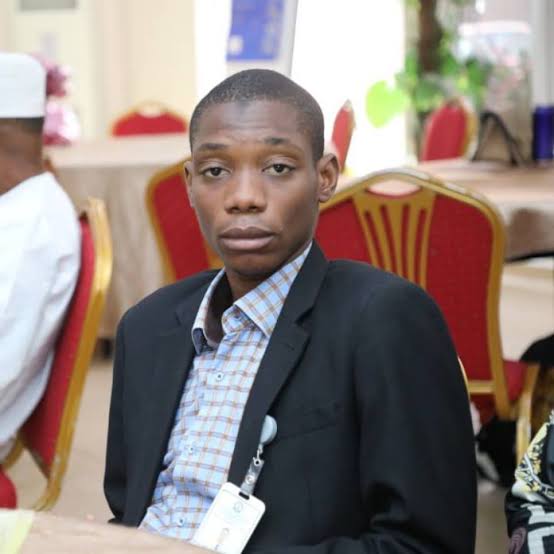
Speaking at the briefing, the Communication and Media Officer and Spokesperson of LTR Nigeria, Saleh Farouq Gagarawa, said the 2,092 leprosy patients were identified and enrolled on multidrug therapy between 2021 and 2024 under the Ready4PEP Project.
According to him, the figure exceeded the project’s target and ensured that all identified patients received treatment and care.
Gagarawa said the organisation also screened 31,620 contacts for leprosy, while 29,070 eligible contacts received Single Dose Rifampicin Post-Exposure Prophylaxis to reduce the risk of transmission within communities.
He added that 1,456 health workers were trained in leprosy diagnosis, management and prevention, while another 2,203 health workers received training on the use of SkinApp technology for identifying leprosy and other skin-related neglected tropical diseases.
On tuberculosis control, Gagarawa said LTR reached about 1.69 million people through community-based interventions between 2024 and the first quarter of 2026.
He noted that more than 1.58 million individuals were screened for tuberculosis through outreach activities and house-to-house case searches, while over 2.28 million people were screened through Public-Private Mix facilities and community networks.
The spokesperson said the interventions contributed to the enrolment of more than 50,000 tuberculosis patients on treatment during the period.
He added that approximately 450 drug-resistant tuberculosis patients also received transportation support, adherence monitoring and treatment support services.
Gagarawa said the organisation’s integrated TB/HIV interventions led to the identification and linkage of about 432 HIV-positive individuals to care and treatment services, while about 500 HIV-positive pregnant women were supported through referral and linkage mechanisms.
He, however, noted that stigma, discrimination, poverty, inadequate rehabilitation services and health workforce shortages remained major challenges affecting disease control efforts.
He reaffirmed LTR’s commitment to strengthening community health systems, promoting disability inclusion and improving access to healthcare services for vulnerable populations across Nigeria.